By Dr Sagar Rajkuwar (MS-ENT) · Reviewed: 4 November 2026
Understanding the full range of deep vein thrombosis causes is the single most important step in preventing this potentially life-threatening condition. A deep vein thrombosis (DVT) is a blood clot that forms inside a deep vein, most commonly in the calf or thigh. The vast majority of DVTs occur because of a combination of factors falling into three categories first described by the German pathologist Rudolf Virchow in 1856 — venous stasis, hypercoagulability of the blood, and damage to the vein wall. These three factors are known as Virchow’s triad, and every modern DVT-risk discussion remains built on this framework.
This complete 2026 doctor’s guide walks through deep vein thrombosis causes as defined by the NHS, NICE NG158, Thrombosis UK, and peer-reviewed vascular medicine. I cover Virchow’s triad in detail, surgical and immobility causes (the single largest risk group), hormonal causes (pregnancy, contraception, HRT), medical causes (cancer, thrombophilia, autoimmune disease), lifestyle causes (smoking, obesity, long flights), rare genetic causes (Factor V Leiden, prothrombin gene mutation, antiphospholipid syndrome), and practical prevention. See also my companion article on deep vein thrombosis symptoms.
Table of Contents
- 1. Virchow’s Triad — the Framework
- 2. Venous Stasis (Blood Flow Alterations)
- 3. Hypercoagulability (Sticky Blood)
- 4. Endothelial Injury (Vein Wall Damage)
- 5. Surgery — the Biggest Modifiable Cause
- 6. Hormonal Causes (Pregnancy, HRT, OCP)
- 7. Medical Causes — Cancer, Autoimmune, Infection
- 8. Genetic & Inherited Thrombophilias
- 9. Lifestyle Causes (Smoking, Obesity, Travel)
- 10. Age, Sex & Ethnic Variation
- 11. Prevention Based on Cause
- 12. Frequently Asked Questions
- 13. Summary & Conclusion
- 14. References
1. Virchow’s Triad — the Framework
Every discussion of deep vein thrombosis causes begins with Virchow’s triad, described by Rudolf Virchow in 1856 and still the governing framework in modern vascular medicine. The three components are:
- Venous stasis — slow or interrupted blood flow
- Hypercoagulability — the blood becomes more prone to clot (inherited or acquired)
- Endothelial injury — damage to the inner lining of the vein wall
Most clinical DVTs occur because two or three of these factors combine on a particular day. For example, a patient undergoing a hip replacement has venous stasis (lying still for hours), endothelial injury (direct surgical trauma to veins), and acquired hypercoagulability (surgical stress releases tissue factor into the blood) — all three legs of the triad activated simultaneously, which is why orthopaedic surgery remains one of the highest-risk DVT settings. Here is a short NHS explainer video on deep vein thrombosis causes and risk-factor assessment:
2. Venous Stasis (Blood Flow Alterations)
The first and most common component of deep vein thrombosis causes is venous stasis. Blood returning from the legs depends on the calf muscle pump — contraction of the calf squeezes blood upward through one-way valves in the deep veins. Any prolonged interruption of that pump creates stasis. The main stasis-generating situations are:
- Immobility greater than 3 days (hospital admission, plaster cast, paralysis after stroke or spinal cord injury)
- Bed rest during medical illness (acute heart failure, pneumonia, severe infection)
- Long-haul travel — flights > 4 hours, train or car journeys > 6 hours
- Prolonged seated work without breaks
- Varicose veins and venous insufficiency
- Atrial fibrillation or other cardiac arrhythmias affecting flow
- Right-sided heart failure
- May-Thurner syndrome (anatomical compression of the left iliac vein by the right iliac artery)
- Pregnancy (uterine compression of pelvic veins — see hormonal section too)
A prospective military-hospital cohort study in Pakistan (Zamir et al, JPMA 2014) found immobility greater than 3 hours was the single biggest identifiable factor among proven deep vein thrombosis causes, in 15% of cases. This is why early mobilisation after surgery and regular leg movement on flights is one of the simplest and most effective prevention steps.
3. Hypercoagulability (Sticky Blood)
The second component of deep vein thrombosis causes is hypercoagulability — a tendency of the blood to clot more easily than normal. Hypercoagulability can be inherited (see section 8) or acquired. Common acquired hypercoagulable states include:
- Active cancer (especially pancreas, stomach, brain, ovary, lung — the classic “Trousseau sign”)
- Pregnancy and the post-partum period (physiological rise in clotting factors)
- Combined oral contraceptive pill (OCP) and hormone replacement therapy (HRT)
- Tamoxifen and other selective oestrogen receptor modulators
- Acute medical illness (sepsis, severe inflammation)
- Nephrotic syndrome (urinary loss of antithrombin III)
- Polycythaemia vera, essential thrombocythaemia, paroxysmal nocturnal haemoglobinuria
- COVID-19 — identified during the 2020-23 pandemic as an independent cause of thrombosis
- Dehydration (concentrates clotting factors)
4. Endothelial Injury (Vein Wall Damage)
The third component of deep vein thrombosis causes is endothelial injury — damage to the inner lining of the vein. When the endothelium is intact, it secretes nitric oxide and prostacyclin, which keep the blood flowing smoothly. When the endothelium is damaged, tissue factor is exposed, platelets stick to the vessel wall, and the clotting cascade is activated. Important causes of endothelial injury include:
- Surgery — especially orthopaedic (hip, knee replacement), abdominal, pelvic and neurosurgery
- Major trauma — fractures (especially femur, pelvis), crush injuries
- Central venous catheters (CVCs), PICC lines, pacemakers
- Intravenous drug use (recreational)
- Repeated venepuncture or intravenous infusions
- Vasculitis — including Behçet’s disease, Buerger’s disease (thromboangiitis obliterans)
- Radiation therapy to the pelvis or abdomen
- Sepsis with direct endothelial damage
5. Surgery — the Biggest Modifiable Cause
Surgery is probably the single biggest identifiable cause of DVT in modern UK practice — it activates all three legs of Virchow’s triad simultaneously. Risk varies with procedure type, patient age, co-morbidities, duration of surgery and type of anaesthesia. The highest-risk procedures among deep vein thrombosis causes are:
- Total hip replacement (THR) and total knee arthroplasty (TKA) — baseline DVT risk 40-60% without prophylaxis
- Hip fracture surgery
- Major pelvic or abdominal surgery for cancer
- Major trauma or spinal cord injury
- Prolonged (> 30-45 minutes) general surgery under general anaesthesia
- Arthroscopic knee surgery (intermediate risk)
Modern NHS and NICE NG89 guidance on VTE prophylaxis in hospital requires every admitted adult to be assessed for VTE risk on admission and prescribed mechanical prophylaxis (anti-embolism stockings, intermittent pneumatic compression) and/or pharmacological prophylaxis (low-molecular-weight heparin, DOAC) when appropriate. These measures have dramatically reduced post-operative deep vein thrombosis causes.
6. Hormonal Causes (Pregnancy, HRT, OCP)
Among deep vein thrombosis causes in women, hormonal factors are disproportionately important. Oestrogen raises the blood levels of multiple clotting factors. The main hormonal risk categories are:
- Pregnancy — risk increases through the three trimesters, peaking in the 6 weeks post-partum
- Combined oral contraceptive pill (OCP) — approximately 2-6× relative risk; third-generation progestogens carry higher risk than second-generation
- Oestrogen-containing hormone replacement therapy (HRT) — oral HRT raises risk more than transdermal
- Oestrogen therapy for transgender patients
- In-vitro fertilisation (IVF) — particularly with ovarian hyperstimulation syndrome (OHSS)
- Tamoxifen and other selective oestrogen receptor modulators used for breast cancer
Women with a personal or family history of VTE, or with known thrombophilia, should discuss alternatives to combined oestrogen-containing OCP/HRT with their GP or specialist.
7. Medical Causes — Cancer, Autoimmune, Infection
Several medical conditions are themselves major deep vein thrombosis causes:
- Active cancer — particularly pancreas, stomach, lung, ovary, brain and haematological malignancies. Chemotherapy raises risk further.
- Antiphospholipid syndrome (APS) — the most important autoimmune cause; associated with lupus anticoagulant, anticardiolipin antibodies and β2-glycoprotein I antibodies. Warfarin is often preferred over DOACs in APS.
- Systemic lupus erythematosus (SLE), inflammatory bowel disease (ulcerative colitis, Crohn’s disease)
- Nephrotic syndrome
- Severe infection and sepsis (COVID-19 was a significant modern example)
- Heart failure
- Chronic kidney disease
8. Genetic & Inherited Thrombophilias
A small but clinically important proportion of deep vein thrombosis causes are inherited thrombophilias. The main ones are:
- Factor V Leiden mutation — the most common inherited thrombophilia, present in approximately 5% of people of European ancestry. Heterozygotes have a 4-8× increased VTE risk; homozygotes 80×.
- Prothrombin gene mutation (G20210A) — second most common; around 3× increased risk
- Antithrombin III deficiency
- Protein C deficiency and Protein S deficiency
- Hyperhomocysteinaemia (MTHFR mutation)
- Elevated factor VIII levels
NICE guidance (NG158) recommends thrombophilia testing only in selected cases — not routinely — because results often do not change immediate management. Testing is considered in unprovoked VTE in those under 50, strong family history, recurrent episodes, or VTE at unusual sites.
9. Lifestyle Causes (Smoking, Obesity, Travel)
Lifestyle and modifiable factors contribute substantially to deep vein thrombosis causes:
- Obesity (BMI > 30) — approximately 2-3× increased VTE risk; mechanism involves chronic inflammation, venous stasis and hypercoagulability
- Smoking — damages the endothelium and promotes hypercoagulability
- Prolonged air travel (> 4 hours) — “economy-class syndrome”; risk rises with multiple flights, obesity, and other risk factors
- Dehydration — concentrates clotting factors
- Alcohol excess
- Recreational intravenous drug use (endothelial injury)
10. Age, Sex & Ethnic Variation
Among demographic deep vein thrombosis causes, age is the strongest. VTE incidence rises exponentially after age 40, from approximately 1 per 1,000 adults per year in middle age to over 1 per 100 per year above age 80. Men and women have broadly similar lifetime risk, but with different drivers (women dominate under 40 due to pregnancy, OCP; men dominate after 60). Ethnic variation: VTE is less common in people of South Asian, East Asian and sub-Saharan African ancestry than in those of European ancestry, partly due to lower prevalence of Factor V Leiden.
11. Prevention Based on Cause
Prevention of deep vein thrombosis causes depends on which risk factors apply. Evidence-based strategies include:
- In hospital/surgery: Every admitted adult assessed for VTE risk, with mechanical (TED stockings, intermittent pneumatic compression) and/or pharmacological (LMWH, DOAC) prophylaxis per NICE NG89
- On long flights: Stand up every 1-2 hours, flex calves, stay well hydrated, avoid alcohol excess, consider compression socks if higher risk
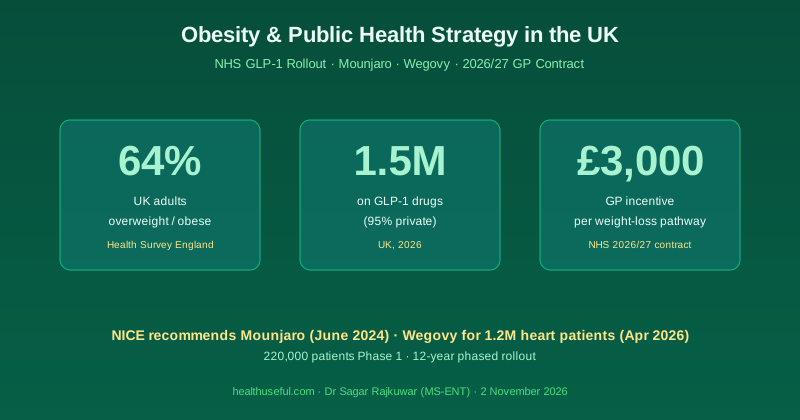
- Obesity: Weight loss (see my article on obesity & public health strategy in the UK)
- Smoking: Smoking cessation — one of the highest-yield lifestyle interventions
- Hormonal: Discuss safer alternatives for those at risk; consider transdermal HRT rather than oral
- Cancer: Thromboprophylaxis at oncology multidisciplinary discretion
- Thrombophilia: Avoid high-risk hormonal therapies; consider prophylaxis in specific scenarios
- Previous DVT: Lifelong awareness, consistent anticoagulation when prescribed, compression stockings if post-thrombotic syndrome
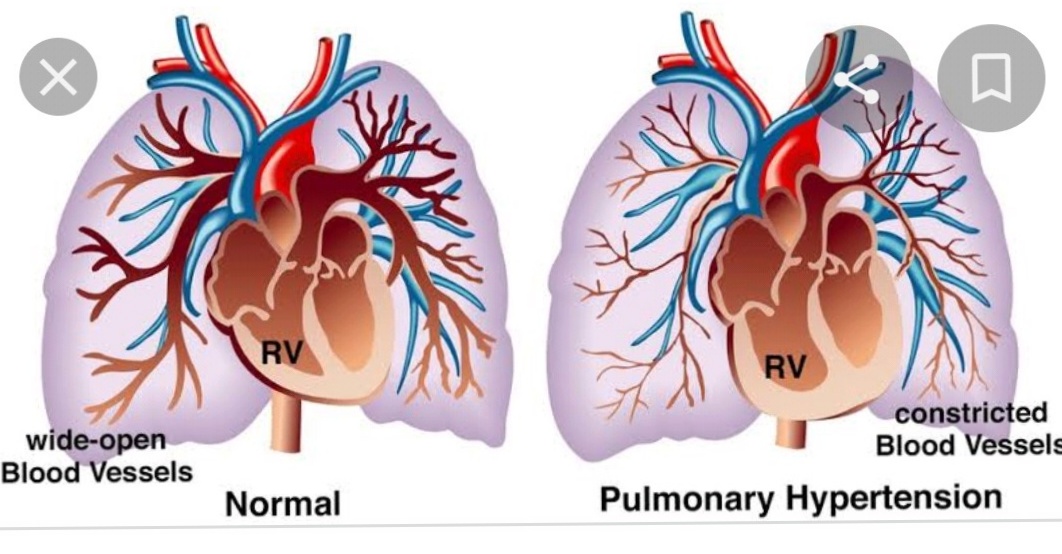
For related reading, see my articles on deep vein thrombosis symptoms, pulmonary hypertension complications, warning signs after childbirth, and how a healthy diet helps blood pressure.
12. Frequently Asked Questions (FAQs)
Q1. What is the most common cause of deep vein thrombosis?
The single most common identifiable among deep vein thrombosis causes is immobility — either after surgery, during serious illness, in a plaster cast, after spinal injury, or on a long flight. Immobility slows venous return and allows clots to form. Prolonged immobility > 3 days is particularly important.
Q2. Can DVT happen without any cause?
Approximately 30-40% of DVTs are classified as “unprovoked” — meaning no obvious trigger is found. These patients may have unrecognised thrombophilia, early occult cancer, or other subtle factors. Unprovoked DVT patients often require longer anticoagulation and further investigation.
Q3. Is DVT hereditary?
Partly. Around 5% of people of European descent carry the Factor V Leiden mutation, the most common inherited thrombophilia. Prothrombin gene mutation, protein C/S deficiency and antithrombin III deficiency are rarer. A strong family history should prompt discussion with your GP but universal testing is not recommended.
Q4. Can flying cause DVT?
Yes — flights longer than 4 hours are an established cause of DVT, particularly in those with other risk factors (older age, obesity, OCP, previous DVT). Move about every 1-2 hours, flex your calves, stay well hydrated, avoid excess alcohol, and consider compression socks if at risk.
Q5. Does the contraceptive pill cause DVT?
The combined oestrogen-progestogen pill raises VTE risk approximately 2-6 times, with third-generation progestogens carrying somewhat higher risk than second-generation. The absolute risk in young healthy women remains low. Progestogen-only pills (POP) do not meaningfully increase VTE risk.
Q6. Can cancer cause DVT?
Yes. Active cancer is a major hypercoagulable state — the classic “Trousseau syndrome” of migratory thrombophlebitis in gastrointestinal cancers. Pancreas, stomach, lung, ovary, and brain cancers carry the highest VTE risk. Chemotherapy raises risk further.
Q7. Can COVID-19 cause DVT?
Yes. COVID-19 was identified during 2020-23 as an independent cause of hypercoagulability through widespread endothelial injury and inflammatory activation of coagulation. VTE incidence in hospitalised COVID patients was significantly elevated; many centres used empirical prophylactic or therapeutic anticoagulation.
13. Summary and Conclusion
The full landscape of deep vein thrombosis causes continues to be best understood through the lens of Virchow’s triad — venous stasis, hypercoagulability, and endothelial injury — all three usually operating together in any given clinical case. The commonest identifiable drivers in modern UK practice are post-surgical immobility (especially orthopaedic surgery), active cancer, oestrogen-containing hormonal therapy, pregnancy and the post-partum period, long-haul travel, obesity, smoking and inherited thrombophilias such as Factor V Leiden.
For individuals, the practical takeaway from this list of deep vein thrombosis causes is that the majority of DVTs are preventable through sensible mobility, smoking cessation, weight management, adequate hydration during long journeys, careful discussion of hormonal therapies with your GP, and strict adherence to NHS hospital VTE prophylaxis protocols. For clinicians, every admission, surgery and hormonal prescription should include a formal VTE-risk assessment. The combination of modern DOAC-based anticoagulation, rigorous NICE/NHS prophylaxis guidelines and high public awareness means the UK is one of the safest countries globally in which to be at risk of DVT today.
14. References
- NICE Guideline NG158. Venous thromboembolic diseases: diagnosis, management and thrombophilia testing. 2020, updated 2023.
- NICE Guideline NG89. Venous thromboembolism in over 16s: reducing the risk of hospital-acquired deep vein thrombosis or pulmonary embolism. 2018, updated 2024.
- Virchow R. Thrombose und embolie. Gesammelte Abhandlungen zur Wissenschaftlichen Medicin. 1856.
- Khan F, Tritschler T, Kahn SR et al. Venous thromboembolism. The Lancet 2021;398(10294):64-77.
- Ipinge TK, Shatri AMN. Recent incidence of DVT in surgical departments 2015-2022 — systematic review. URHJ 2023;1(1).
- Zamir Q et al. Frequency of proven risk factors for DVT in clinical patients. JPMA 2014;64(3):109-113.
- Oxford Medical Education. Causes of deep vein thrombosis (DVT). 2024.
- Thrombosis UK. Risk factors for venous thromboembolism. 2026 patient information.
- Acquired Brain Injury Education Scotland NHS. Risk factors for VTE / Virchow’s triad. 2024.
- FP Notebook. Thromboembolism risk factors. Updated 2024.
ENT Consultation & Surgery
Dr. Sagar Rajkuwar (MS-ENT)
Consultant ENT Specialist & Head-Neck Surgeon
Prabha ENT Clinic, Ambad, Nashik, Maharashtra, India
📱 7387590194 | 9892596635
🌐 www.entspecialistinnashik.com
Medical Disclaimer: This article is for educational purposes only and does not replace professional medical advice. If you have any symptoms suggestive of DVT, ask for an urgent GP appointment or contact NHS 111. For any symptom of pulmonary embolism (breathlessness, chest pain, coughing blood, collapse) call 999 immediately. Thrombophilia testing and VTE prophylaxis decisions must be made by qualified clinicians based on individual circumstances.