Acid Reflux Diet: Best Foods to Eat, Foods to Avoid, and Meal Plans for GERD
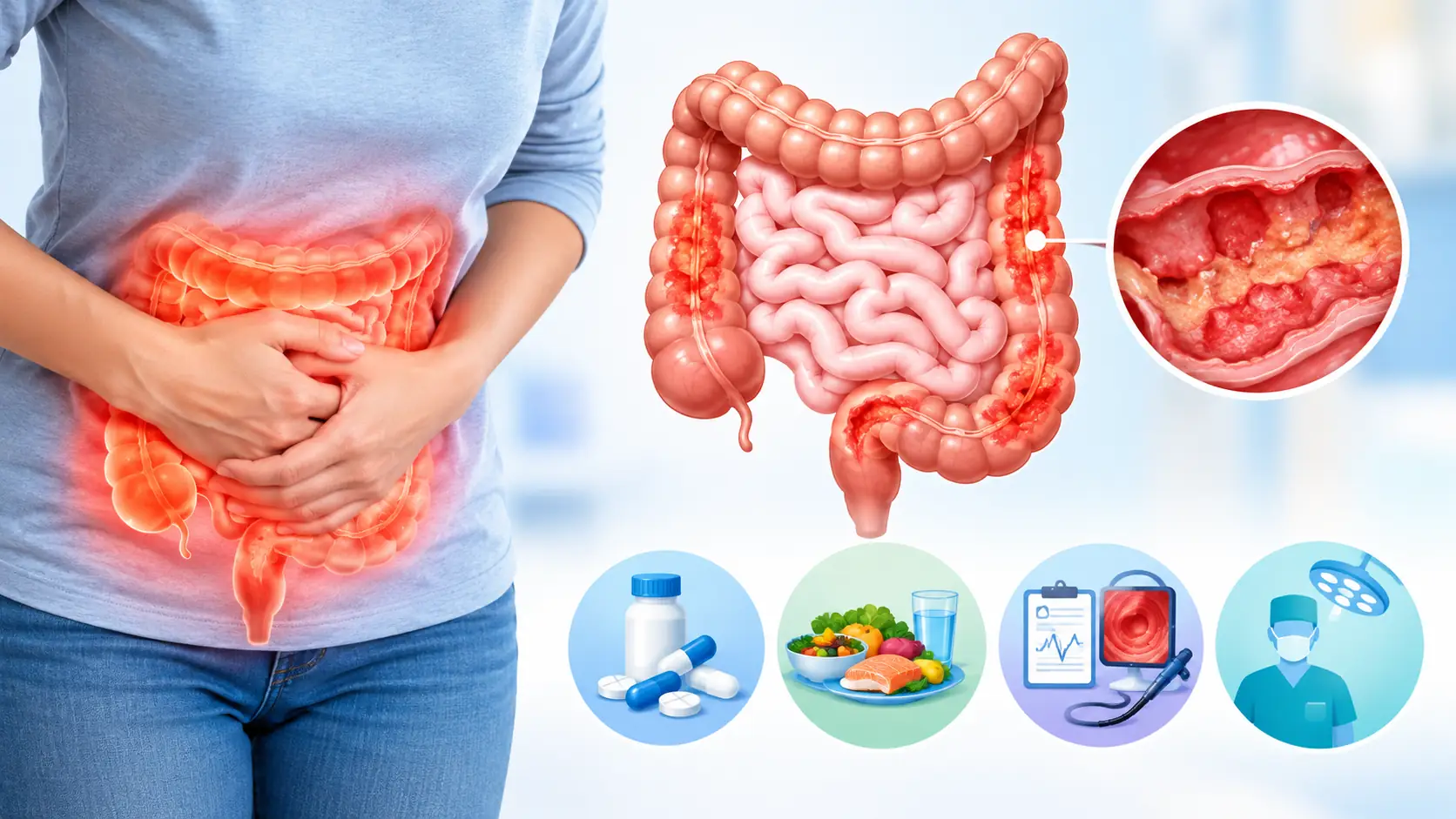
A burning feeling in the chest, a sour taste in the mouth, burping, bloating, and post-meal discomfort are all symptoms of acid reflux. If these symptoms happen again and again, it could be a sign of gastroesophageal reflux disease (GERD), which is when stomach contents return to the esophagus and cause irritating symptoms or issues.
A diet for acid reflux involves recognizing individual food triggers, choosing balanced meals, controlling portion amounts, and altering meal schedules. For every person who suffers from GERD, there is no one ideal diet. While some individuals may also need medication or further medical evaluation, others improve significantly with dietary modifications.
This guide covers what the evidence says about popular home treatments, when to see a doctor, how to create an everyday meal plan, which foods may help, and which foods typically cause symptoms.
Author: Dr Sagar Rajkuwar, ENT Specialist, Nashik, Maharashtra, India
🌐 www.entspecialistinnashik.com
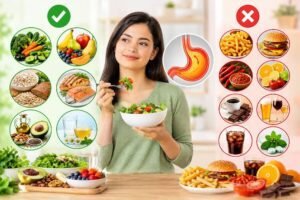
Table of Contents
- 1. What Is Acid Reflux and GERD?
- 2. How Does Food Affect Acid Reflux?
- 3. Acid Reflux: The Top Foods to Eat
- 4. Foods and Drinks to Limit or Avoid
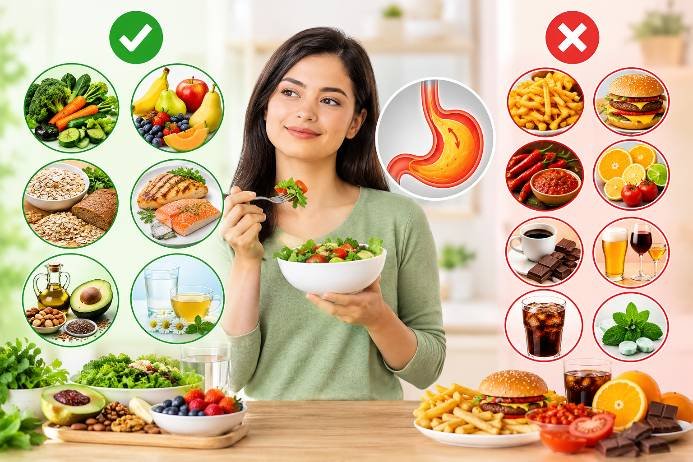
- 5. GERD Diet Chart: Foods to Eat and Avoid
- 6. Sample One-Day Acid Reflux Meal Plan
- 7. Eating Habits That Help Reduce Reflux
- 8. Does Milk, Yogurt, Ginger, or Water Help Acid Reflux?
- 9. Indian Meals and a Vegetarian Diet for Acid Reflux
- 10. Foods That May Worsen Nighttime Reflux
- 11. How to Identify Your Personal Trigger Foods
- 12. When Is Diet Alone Not Enough?
- 13. Regularly Asked Questions
- 14. Key Takeaways
1. What Is Acid Reflux and GERD?
Stomach contents may move back into the esophagus, the muscular tube that connects the mouth to the stomach, which is what causes acid reflux. The lower esophageal sphincter (LES), a ring of muscle at the base of the esophagus, usually helps to avoid this reverse movement.
Stomach contents can travel upward and irritate the esophageal lining when the LES relaxes inappropriately or fails to shut effectively.
Typical symptoms are:
- A burning feeling behind the breastbone is known as heartburn.
- Sour or bitter fluid is returned to the mouth or throat.
- A metallic taste in the mouth.
- After eating, one feels uneasy and burping.
- Upper abdomen pain or nausea.
- Some individuals have trouble swallowing.
- Occasionally, a persistent cough, hoarseness, or throat irritation.
Anyone can experience an occasional reflux. Reflux is considered GERD when it leads to ongoing bothersome symptoms or issues.
Important: Symptoms such as a cough, sore throat, hoarse voice, or feeling of a lump in the throat are not automatically indicative of GERD. Similar symptoms can be brought on by allergies, infections, asthma, medication effects, and other ailments.
2. How Does Food Affect Acid Reflux?
There are many ways that food can influence reflux. The amount the stomach expands after a meal, the rate at which it empties, how readily the LES relaxes, and how irritating refluxed material feels when it hits the esophagus may all be affected.
Stomach pressure can increase with large meals.
The stomach is stretched by a substantial lunch. In certain people, particularly if they lie down or bend over immediately after eating, this promotes reflux.
Thus, eating less can ease post-meal discomfort.
Symptoms may be made worse by high-fat meals.
Fatty meats, rich desserts, creamy sauces, and fried foods may make some individuals’ symptoms worse. Reflux mechanisms and stomach emptying may be impacted by high-fat foods.
However, not everyone experiences symptoms as a result of eating fat. The size of the meal and the general food combination may also be important.
Foods with a high acidity might irritate an esophagus that is already sensitive.
Vinegar, certain fruit juices, citrus fruits, and tomatoes are all acidic. For those who are sensitive to them, they may make the scorching feeling worse.
This does not imply that everyone who has GERD must stay away from acidic fruits. The acidity of a meal and the likelihood that it may produce reflux are unrelated.
The LES may be affected by some beverages and meals
Chocolate, peppermint, caffeinated beverages, and alcohol are frequently reported triggers. The proof supporting general avoidance is scarce, and its impacts differ from person to person.
Instead of needlessly eliminating many meals, the pragmatic approach is to determine which foods consistently exacerbate your own symptoms.
3. Acid Reflux: The Top Foods to Eat
While there isn’t a food that can treat GERD, a lot of healthy foods are less likely to cause symptoms in certain people. The aim is to create a well-balanced diet that enhances general health while reducing personal triggers.
A. Whole grains and oatmeal
Brown rice, oatmeal, whole-wheat bread, whole-grain cereals, and other minimally processed grains can provide fiber and long-lasting energy.
A few examples are:
- Porridge or simple oatmeal.
- Rice, brown
- Chapati with whole wheat.
- Grainy bread.
- Millet or quinoa.
- Whole-grain cereals with little extra sugar.
Foods high in fiber can promote feelings of satiety and maintain regular bowel movements. They haven’t been shown to reduce GERD by directly absorbing stomach acid.
If you’re not used to eating fiber, especially if a sudden increase causes bloating, add more slowly.
B. Non-citrus fruits
The following fruits are tolerated by many individuals better than citrus fruits:
- Bananas.
- Melons.
- Apples.
- Pears.
- Papaya.
- Other fruits that don’t cause individual symptoms.
Instead of relying extensively on juice, choose entire fruit. Some people may experience symptoms from fruit juice since it may be more concentrated.
Some people may have discomfort even with fruits that are usually well tolerated. For example, some individuals may have difficulty with apples or specific varieties of melon.
C. Vegetables
Other helpful nutrients, such as fiber, vitamins, and minerals, are found in vegetables. Many of them are naturally low in fat and can be incorporated into an acid reflux diet.
There are choices such as:
- Carrots.
- Beans that are green.
- Broccoli.
- Asparagus.
- Cauliflower.
- Greens such as spinach and lettuce.
- Sweet potatoes and potatoes.
- Other tolerated vegetables and peas.
It may be more pleasant to steam, boil, bake, or sauté vegetables gently rather than deep-frying them.
Cooked veggies aren’t always worse than raw vegetables. Try cooked portions instead if raw foods cause you discomfort or bloating.
If they are well tolerated, tomatoes, onions, garlic, and green peppers don’t need to be eliminated automatically, even though they may cause symptoms in certain people.
D. Lean protein sources
Protein can aid in making meals enjoyable without using a lot of fat.
Take into account:
- Turkey or chicken without skin.
- Fish.
- Tofu.
- Lentils and beans, if tolerated.
- Either egg whites or eggs.
- Less fatty yogurt.
- Other lean protein sources that are compatible with your diet.
Instead of deep-frying, opt for poaching, roasting, grilling, steaming, or baking.
Whole eggs contain more fat than egg whites. If whole eggs do not cause symptoms, they don’t have to be avoided.
E. Small servings of healthy fats
Saturated fat is a crucial component of a healthy diet. Avocado, nuts, seeds, sesame oil, sunflower oil, and olive oil are examples of sources.
Even good fats, though, have a lot of calories and can make reflux symptoms worse if taken in excess.
For instance, a little amount of nuts might be acceptable, but a significant, high-fat meal with nuts, cheese, cream, and fried foods might cause symptoms.
Moderation, not the eradication of all fats, is the objective.
F. if tolerated, low-fat dairy items
Some individuals may prefer plain yogurt and lower-fat milk to full-fat dairy products.
It is untrue to claim that milk creates a permanent barrier in the stomach against acid since there is no proof that dairy helps treat GERD. Any respite may be fleeting.
Individuals with lactose intolerance may also have gas and bloating after drinking milk. Fortified alternatives that are lactose-free or acceptable might be an option.
G. Water and suitable beverages
A nice option for hydration is usually water. If stomach fullness exacerbates your symptoms, it is better to consume moderate amounts during the day than a very big amount with one meal.
Some people can stand herbal teas without caffeine, but others may experience symptoms from some ingredients. For example, peppermint tea may make some people’s reflux worse.
Don’t make yourself drink too much water to counteract stomach acid.
4. Foods and Drinks to Limit or Avoid
There is no universal list of foods that all GERD sufferers must avoid. The following items are common triggers and should be tested if symptoms appear after ingesting them.
A. High-fat and fried dishes
The following are some illustrations:
- Onion rings and French fries.
- Pakoras and deep-fried appetizers.
- Fried chicken and high-fat burgers.
- Other fatty processed meats, including sausage and bacon.
- Thick gravies and creamy sauces.
- Cream and cheese with a lot of fat.
- Chips.
- Desserts high in fat and rich pastries.
Lower-fat cooking techniques and smaller portions should be used. Continue to avoid foods that regularly cause issues if your symptoms improve.
B. Spicy foods
Very hot curries, chili, hot sauce, and cayenne pepper may make vulnerable persons feel even hotter.
Although spicy foods don’t always induce reflux, they can annoy a sensitive esophagus.
Instead of a lot of chili, herbs and milder seasonings can frequently be used to add flavor.
C. Citrus fruits and tomato-based foods
Possible triggers include:
- Grapefruit and oranges.
- Limes and lemons.
- Citrus juices.
- Tomato sauce.
- Salsa and ketchup.
- Heavy tomato gravies and curries.
Avoid these nutritious foods only when they reliably aggravate your symptoms. There is no reason to treat them as the same triggers if a little fresh tomato does not cause discomfort but tomato sauce does.
D. Chocolate
Due to its fat content and compounds that can influence smooth muscle function, chocolate may aggravate reflux in some individuals.
Attempt reducing the amount or avoiding chocolate, particularly in the evening, if you observe a regular link.
E. Other sources of coffee and caffeine
Certain individuals may experience symptoms as a result of drinking coffee, powerful tea, energy drinks, and several kinds of soft drinks.
Not everyone has to convert to decaffeinated beverages because caffeine isn’t a common cause. Try a smaller quantity, a less strong beverage, or decaffeinated coffee if it aggravates your symptoms.
F. Peppermint and Spearmint
For certain individuals, mint can make acid reflux worse. If you see a relationship between them, think about cutting back on mint products, mint-flavored candies, or peppermint tea.
For those who find chewing gum beneficial, non-mint chewing gum could be a substitute.
G. Beverages that are fizzy
Carbonated beverages like soda and fizzy water can cause stomach bloating and belching, which may worsen reflux in some people.
If bubbly drinks aggravate your symptoms, try still water or another non-carbonated beverage.
H. Alcohol
In certain individuals, alcohol may aggravate reflux symptoms. If you notice a noticeable correlation, especially with evening symptoms, it makes sense to restrict or stay away from it.
I. Highly processed meals and those heavy in sugar
Sugary meals aren’t always directly causing reflux. But, a lot of extra sugar or a lot of fat are frequently found in pastries, desserts, sweetened drinks, and processed snacks.
Even if the exact impact on reflux differs, cutting down on these meals can help with weight management and a balanced diet when necessary.
5. GERD Diet Chart: Foods to Eat and Avoid
| Food group | Options to try | Potential triggers |
|---|---|---|
| Grains | Oatmeal, brown rice, whole-wheat bread | Rich, greasy baked goods |
| Fruits | Banana, melon, pear, papaya | Citrus fruits or other personal triggers |
| Vegetables | Carrot, beans, broccoli, leafy greens | Tomato or onion if symptoms follow |
| Protein | Fish, skinless chicken, tofu, lentils | Fatty or deep-fried meats |
| Dairy | Lower-fat milk or plain yogurt if tolerated | Full-fat dairy if it triggers symptoms |
| Fats | Small portions of plant oils, nuts, seeds | Large, greasy meals |
| Drinks | Water, tolerated non-caffeinated drinks | Alcohol, fizzy drinks, or caffeine if troublesome |
| Seasonings | Mild herbs and tolerated spices | Chili, mint, or acidic sauces if they trigger symptoms |
This chart is a starting point, not a strict medical diet. Keep foods you tolerate, and avoid unnecessary restrictions that could reduce nutritional variety.
6. Sample One-Day Acid Reflux Meal Plan
This example demonstrates how to arrange meals using often tolerated foods. Matching your appetite, dietary requirements, degree of activity, and medical concerns should be your top priority.
Breakfast
- Oatmeal prepared with water or lower-fat milk.
- One banana or one tolerated fruit.
- Water or a non-caffeinated drink.
Mid-morning snack
- melon or papaya in a tiny amount.
- Water if preferred.
Lunch
- Rice or chapati.
- Carrots, beans, or spinach are examples of cooked vegetables.
- Fish, skinless chicken, dal, or tofu.
- If tolerated, a modest portion of simple, lower-fat yogurt.
Afternoon snack
- Another light snack, whole-grain crackers, or a tiny portion of fruit that is tolerated.
- If coffee or tea are known triggers, stay away from them.
Dinner
- Chapati or rice in a reasonable serving.
- Vegetables that have been cooked.
- A healthy protein source like tofu, dal, chicken, or fish.
Before bed
Stay away from a substantial meal or snack right before bed. Follow your clinician’s recommendations if you need to take medication or eat for other medical reasons.
Timing is important; aim to finish supper at least three hours before going to bed or lying down. An earlier meal might be especially beneficial if symptoms are worse at night.
7. Eating Habits That Help Reduce Reflux
Reflux treatment is more than just food choices. How much you eat, when you eat, and what you do afterward might all have an impact on symptoms.
Consume meals of a reasonable size.
Reflux can be promoted by stomach distension, which can also be brought on by huge meals. Eat slowly and begin with reasonable servings.
Frequent, smaller meals are good for certain individuals, but continuous nibbling is not required. Pick a schedule that keeps you from becoming too hungry or overeating.
Avoid lying down after eating
After meals, keep standing. It might be more relaxing to sit, stand, or take a leisurely stroll than to lie on a couch or go to bed right away.
If exercise, repeated bending, or heavy lifting causes reflux, stay away from them immediately following a substantial dinner.
At least three hours before going to bed, finish eating.
Nighttime reflux can be made worse by eating right before going to bed. According to the National Institute of Diabetes and Digestive and Kidney Disorders, if this is an issue, you should wait at least three hours before going to bed.
Think about sleeping on your left side.
According to some research, sleeping on the left side helps those who experience reflux at night.
Raise the bed’s head.
Raising the head of the bed by around 15–20 cm or using a proper wedge might help if symptoms arise during sleep. Simply adding several soft cushions might bend the body at the waist and may not provide the same benefit.
Keep a healthy weight, if possible.
Reflux can be caused by extra pressure on the stomach from being overweight. Gradual weight reduction may alleviate symptoms if you are overweight.
Stay away from crash diets and very limited eating. It is safer to use a nutritious and environmentally sound strategy.
Avoid wearing clothes that are constricting around the middle.
Some persons may have increased abdominal pressure and discomfort as a result of tight waistbands.
Examine medication and smoking factors.
Aside from its other major health consequences, smoking can also lead to reflux. Quitting smoking is good for your general health.
Reflux may be exacerbated by certain drugs, or they may induce symptoms that resemble it. Don’t discontinue your prescribed medicine on your own. Check with your doctor or pharmacist to see whether a medication may be a factor.
8. Does Milk, Yogurt, Ginger, or Water Help Acid Reflux?
While popular, home remedies should not be mistaken for treatments that have been proven to alleviate GERD.
Does milk alleviate heartburn?
Although milk may offer short-term comfort for some individuals, it is not an effective cure for acid reflux. The fat level in full-fat milk may make symptoms worse for some people.
If milk works for you, a little lower-fat milk can be okay. Stay away from it if it results in other symptoms, discomfort, or bloating.
Does yogurt help with acid reflux?
Individuals who can consume dairy may find plain, reduced-fat yogurt to be a decent source of calcium and protein. However, there is no solid proof that yogurt alone may cure GERD.
Symptoms may get worse from particularly fatty, sweetened, or personally bothersome varieties.
Can ginger help with acid reflux?
Ginger is frequently used for indigestion and nausea, but there isn’t much evidence that it effectively treats GERD. Some individuals might be able to tolerate little amounts of ginger in their meals or ginger tea.
Burning sensations may worsen in certain people. If symptoms intensify, discontinue use.
Does acid reflux stop with drinking water?
Water can aid with hydration and may temporarily remove refluxed material from the esophagus. However, it does not consistently prevent reflux or neutralize stomach acid permanently.
Rapidly ingesting large quantities might result in stomach discomfort and fullness.
Chewing gum is useful, right?
Some individuals may find that chewing gum helps remove acid from the esophagus by increasing saliva production. Gum isn’t a long-term cure for GERD.
Select a non-mint flavor if mint aggravates your symptoms. Additionally, for certain people, gum might make burping and swallowed air more common.
Do meals that are alkaline help ease reflux?
Fruits like bananas, melons, and a wide variety of veggies are great options for a nutritious diet. However, there is no proof that alkalizing meals can treat GERD by neutralizing stomach acid.
Foods don’t permanently alter the underlying reflux mechanism just because they have a higher pH, as the stomach is naturally acidic.
Is it preferable to use supplements or aloe vera juice?
There is little proof that herbal supplements, aloe vera juice, and other alternative treatments are effective. Certain products may have negative effects, interfere with drugs, or have additional chemicals or acids that make the condition worse.
Before taking supplements as a kind of treatment, especially if you routinely take medication or have another health problem, get medical advice.
9. Indian Meals and a Vegetarian Diet for Acid Reflux
To control reflux, you don’t have to eat a Western diet. Preparation techniques, portion sizes, and components may all be modified to include well-known Indian meals.
Things to eat
- moderate amounts of rice or simple chapati.
- dalies, oats, and any additional tolerated cereals.
- Lentils or moong dal cooked using a reasonable amount of oil.
- Vegetables that have been cooked.
- other appropriate protein sources or tofu.
- Another tolerable fruit, such as melon, papaya, or banana.
- Lower-fat, unseasoned curd if dairy is tolerated.
Adjustments to food preparations
- Reduce deep-frying and excessive oil.
- Reduce the amount of chili if spicy meals cause symptoms.
- If high-fat meals are problematic, restrict rich gravies prepared with a lot of cream, butter, or ghee.
- Only decrease tomato, tamarind, lemon, or vinegar if they cause symptoms.
- Opt for moderate servings rather than a very large supper.
A traditional diet doesn’t have to be bland or lacking in nutrients. Flavor may be added using mild spices and herbs without using too much oil or chili.
If lentils, beans, or certain vegetables produce bloating and gas, consider smaller quantities and different preparation techniques. Acid reflux itself doesn’t always cause bloating, therefore a separate assessment can be needed for ongoing symptoms.
10. Foods That May Worsen Nighttime Reflux
When you lie down, nighttime symptoms can be especially uncomfortable and disrupt sleep.
Among the typical contributors are:
- High-fat or substantial meal.
- Late in the day, if they are personal triggers, eat chocolate or coffee.
- Alcoholic beverage.
- Foods that are acidic or spicy and are known to produce symptoms.
- Having a big meal close to going to bed.
- Soon after supper, lie down.
Eating supper early, maintaining a moderate portion, staying upright after eating, and raising the head of the bed if symptoms occur during sleep are all good nighttime strategies.
Don’t make your diet too strict. Concentrate on the eating habits and foods that are obviously connected to your symptoms.
11. How to Identify Your Personal Trigger Foods
Following a lengthy list of forbidden foods is frequently less useful than keeping a food journal.
Document for a minimum of one to two weeks:
- Cooking procedure, ingredients, and portion size for food and beverages.
- Timing of meals: Record the times you ate and slept.
- Record symptoms like heartburn, regurgitation, belching, coughing, or other discomforts.
- Timing and severity: Observe how quickly symptoms appeared and how bothersome they were.
- When necessary, other variables to consider include late exercise, stress, alcohol, smoking, or medications.
Apply a structured method of elimination and reintroduction.
If a certain meal regularly shows up before symptoms, consider lowering or temporarily avoiding it while maintaining a reasonably consistent diet.
When appropriate, reintroduce a small amount on another occasion if symptoms get better. Although a repeated pattern doesn’t establish causality, it does make a relationship more likely.
Because it makes it hard to pinpoint the true cause and may result in nutritional deficiencies, try to avoid eliminating several food groups at once.
Seek professional advice rather than attempting repeated food challenges on your own if you suspect a food allergy, have trouble swallowing, or suffer significant symptoms after eating certain meals.
12. When Is Diet Alone Not Enough?
Although diet and lifestyle adjustments can lessen symptoms, they don’t fix every cause of reflux or treat every case of esophageal inflammation.
If any of the following occur, consult a healthcare expert:
- Heartburn happens again and over, particularly two or more times a week.
- Even with appropriate dietary and lifestyle modifications, the symptoms remain.
- Over-the-counter heartburn medications are often necessary.
- Reflux repeatedly awakens you during the night.
- Unexplained throat problems, nausea, or constant regurgitation are present.
- When you stop taking a medication that was prescribed for reflux, the symptoms come back.
Risk factors, medications, medical history, and symptoms may all be evaluated by a physician. Depending on the circumstances, treatment may include acid-suppressing drugs like proton pump inhibitors (PPIs) as well as tests like reflux monitoring or upper endoscopy.
When indicated, PPIs are often used to treat GERD and heal erosive esophagitis. They should be followed as directed. Before ceasing or switching long-term treatment, always speak with your doctor.
Red flags that call for quick medical attention
If you have trouble swallowing, food gets stuck, you vomit blood, have black tarry stools, or vomit often, get help right away. Immediate evaluation is also necessary for unexplained weight loss.
Don’t always think chest pain is acid reflux. Seek emergency treatment to rule out a heart condition if your chest pain is intense, new, or accompanied by breathlessness, perspiration, fainting, or pain that radiates to your arm, back, neck, or jaw.
13. Regularly Asked Questions
What is the ideal diet for acid reflux?
There is no one diet that is ideal for everyone. A wise starting point is a balanced pattern with moderate portions of lean protein, whole grains, tolerated fruits, vegetables, and fewer foods that are individually bothersome.
What foods rapidly relieve acid reflux?
Reflux cannot be immediately stopped with any food. Most people handle oats, bananas, or other low-fat foods nicely, but food options are mostly helpful for minimizing triggers over time rather than treating an acute incident.
Do bananas help with acid reflux?
Bananas are usually well tolerated and may be included in a diet for acid reflux. They do not, however, treat GERD, and each person’s response is unique.
Is oatmeal beneficial for GERD?
Oatmeal is a whole grain that is rich in fiber and generally well tolerated. While it may be a good breakfast option, there is little scientific evidence to support its direct treatment of the underlying reflux process.
Should I refrain from drinking coffee if I have GERD?
Not always. Even though coffee is a frequent trigger, not everyone experiences worse symptoms from it. If you notice a consistent link, attempt to lessen it or choose a decaffeinated or less concentrated variety.
Is it safe to consume eggs if you have acid reflux?
GERD patients can eat eggs. Some people may get symptoms from fried eggs or eggs made with a lot of butter or oil, whereas egg whites have less fat. Portion size and preparation are crucial.
Is it advisable to eat yogurt or curd if you have GERD?
If you can handle dairy, plain, low-fat curd or yogurt might be appropriate. High-fat kinds may make symptoms worse for certain people, and there is no evidence that they cure anything.
Does consuming cold milk relieve heartburn?
Although some people may find it comforting temporarily, cold milk is not supported by conclusive evidence to treat GERD. For certain people, full-fat milk may make symptoms worse.
Is it safe to consume rice and chapati if I have acid reflux?
Indeed. Chapati and rice may be added if they are tolerated. More important triggers may be huge meals, too much oil, rich gravies, and hot side dishes than the main meal itself.
For acid reflux, is lemon water beneficial?
Lemon is acidic and might worsen symptoms in individuals who are susceptible to citrus. Because there is no evidence that lemon water helps treat GERD, stay away from it if it frequently causes burning.
Can an alkaline diet help with GERD?
No. No proof exists that an alkaline diet helps people with GERD. It is more feasible to have a healthy diet with tolerable meals and proper meal timing than to try to modify the body’s acidity through nutrition.
How much time does it take for a GERD diet to be effective?
Within a few days of switching meal times or staying away from a personal trigger, certain individuals see changes. Others may need medication, additional assessments, or several weeks. There is no assured schedule, and even if the symptoms improve, the inflammation in the esophagus may not be gone.
Is it possible for me to control GERD without medication?
Lifestyle modifications can help certain individuals who suffer from minor, intermittent symptoms. Long-term GERD or esophageal irritation may need medication. Talk to a doctor about ongoing symptoms instead of just relying on diet.
14. Key Takeaways
- There is no one list of foods that everyone should stay away from; an acid reflux diet should be tailored to each person.
- Some persons may get symptoms after eating fatty meals, fried dishes, chocolate, coffee, alcohol, mint, hot foods, and acidic foods.
- Lean proteins, whole grains, tolerated fruits, and veggies can be the foundation of a healthy eating plan.
- Finishing supper at least three hours before bed, eating smaller meals, and not lying down after eating may be beneficial.
- Ginger, water, chewing gum, and milk may provide some individuals with short-term comfort, but none of them are recognized treatments for GERD.
- Proper medical assessment is needed for chronic symptoms, swallowing issues, bleeding, unintentional weight loss, or severe chest pain.
The most beneficial strategy is to mix a balanced diet with a food diary, practical lifestyle modifications, and medical guidance when symptoms persist. To control acid reflux, there shouldn’t be any need for a diet that is overly limiting.
Medical Disclaimer
This article is for general educational purposes only and does not replace professional medical advice, diagnosis, or treatment. Food triggers and treatment needs vary from person to person. Consult a qualified healthcare professional if symptoms are frequent, persistent, severe, or associated with warning signs. Do not start, stop, or change prescribed medicines without medical guidance.
📞 ENT Consultation & Surgery
Dr. Sagar Rajkuwar (MS-ENT)
Prabha ENT Clinic, Ambad, Nashik
📱 7387590194 | 9892596635
🌐 www.entspecialistinnashik.com
👉 YouTube Channel:
http://www.youtube.com/@healthuseful8539/
Medical References
- National Institute of Diabetes and Digestive and Kidney Diseases (NIDDK). Eating, Diet, & Nutrition for GER & GERD. https://www.niddk.nih.gov/health-information/digestive-diseases/acid-reflux-ger-gerd-adults/eating-diet-nutrition
- National Institute of Diabetes and Digestive and Kidney Diseases (NIDDK). Acid Reflux (GER & GERD) in Adults. https://www.niddk.nih.gov/health-information/digestive-diseases/acid-reflux-ger-gerd-adults
- NHS. Heartburn and Acid Reflux. https://www.nhs.uk/conditions/heartburn-and-acid-reflux/
- Katz PO, Dunbar KB, Schnoll-Sussman FH, Greer KB, Yadlapati R, Spechler SJ. ACG Clinical Guideline for the Diagnosis and Management of Gastroesophageal Reflux Disease. American Journal of Gastroenterology. 2022;117:27–56. https://pmc.ncbi.nlm.nih.gov/articles/PMC8754510/
- Yadlapati R, Gyawali CP, Pandolfino JE. AGA Clinical Practice Update on the Personalized Approach to the Evaluation and Management of GERD: Expert Review. Clinical Gastroenterology and Hepatology. 2022;20:984–994.e1. https://pmc.ncbi.nlm.nih.gov/articles/PMC9838103/
- World Health Organization (WHO). Healthy Diet. https://www.who.int/news-room/fact-sheets/detail/healthy-diet