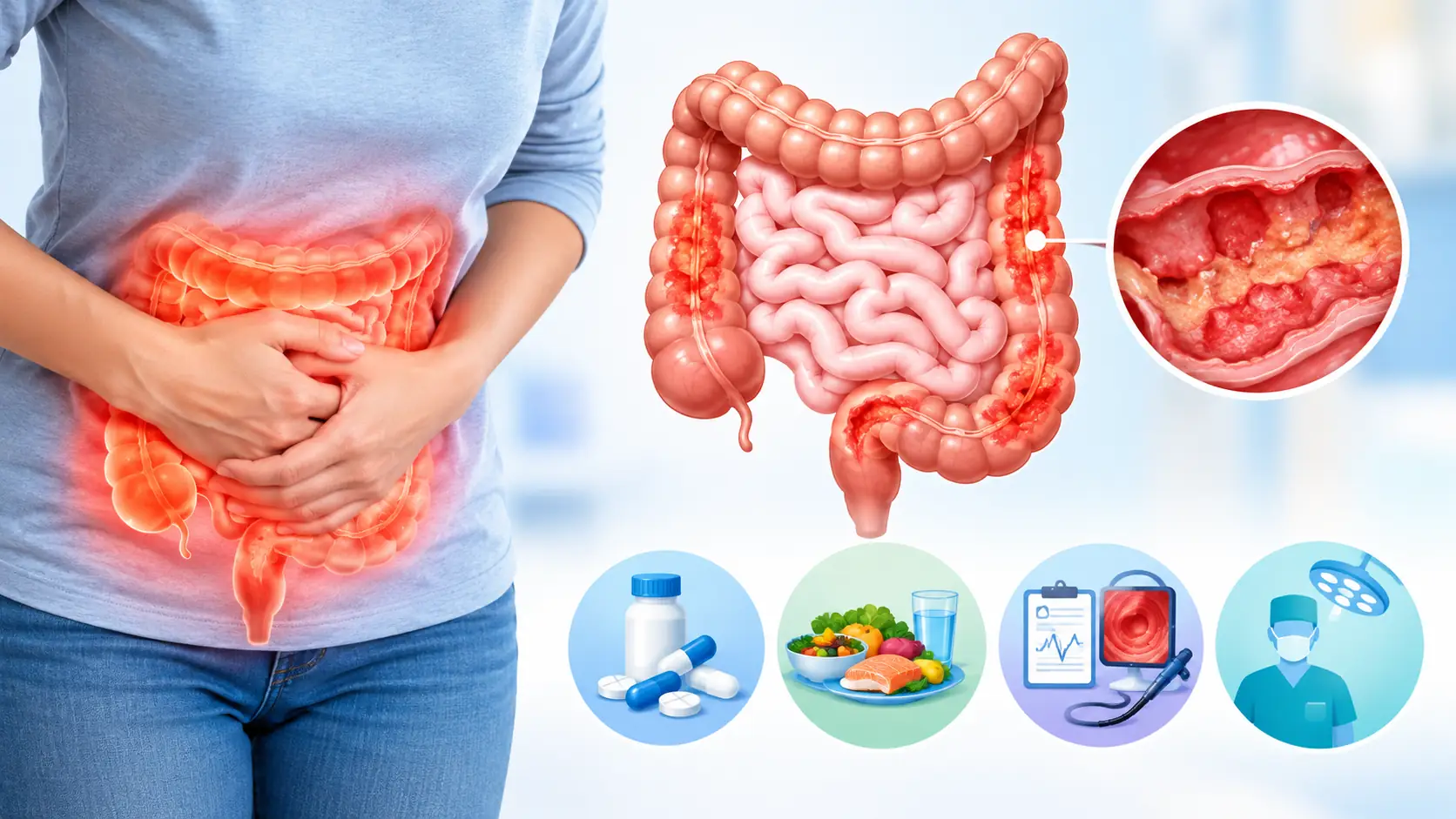
Crohn’s Disease Treatment: Medicines, Diet, Surgery and the Latest Treatment Options
An evidence-based, thorough manual for managing Crohn’s illness
Any area of the digestive system, from the mouth to the anus, may be affected by the chronic inflammatory bowel disease (IBD) known as Crohn’s disease. It may lead to abdominal discomfort, ongoing diarrhoea, weariness, weight loss, dietary shortages, and problems including intestinal abscesses, narrowing, and fistulas.
Although there is currently no established permanent treatment for Crohn’s disease, modern therapies can manage inflammation, alleviate symptoms, aid in bowel healing, and lower the risk of complications. Many people have a long period of remission and lead a busy, rewarding life.
Individualised treatment. Depending on the location, severity, and presence of complications of the illness, as well as the patient’s previous treatments, general health, and preferences, treatment options will vary.
This manual describes how to identify Crohn’s disease, the available treatments, what patients can do at home, when surgery is necessary, and which warning signs call for rapid medical attention.
Author: Dr Sagar Rajkuwar, ENT Specialist, Nashik, Maharashtra, India
🌐 www.entspecialistinnashik.com
Table of Contents
- 1. What Are the Goals of Crohn’s Disease Treatment?
- 2. How Is Crohn’s Disease Diagnosed?
- 3. Medicines for Crohn’s Disease
- 4. Nutrition Therapy for Crohn’s Disease
- 5. When Is Surgery Needed for Crohn’s Disease?
- 6. Diet and Lifestyle Changes That May Help
- 7. Smoking and Crohn’s Disease
- 8. Mental Health, Exercise, and Stress
- 9. Alternative and Complementary Therapies
- 10. Monitoring Crohn’s Disease and Preventing Complications
- 11. When Should You Seek Urgent Medical Care?
- 12. Addressing Crohn’s Disease
- 13. Getting Ready for Your Doctor’s Appointment
- 14. Questions about Crohn’s disease treatment that are often asked
- 15. Summary
1. What Are the Goals of Crohn’s Disease Treatment?
The main objective is to prevent abdominal pain or diarrhea, and to prevent diarrhea, and to prevent diarrhea. The goal of therapy is to regulate the basic intestinal inflammation and avoid long-term digestive system injury.
The following are the key treatment goals:
- Relieving symptoms and lowering inflammation.
- Remission, meaning the condition is under control, is achieved.
- maintaining remission for as long as feasible.
- Encouraging the recovery of the intestinal lining.
- Preventing problems like strictures, fistulas, abscesses, and bowel obstructions.
- Correcting nutritional deficiencies, dehydration, and anemia.
- When possible, lower the need for surgery and hospital stays.
- Promoting healthy development in children and preserving adults’ quality of life.
What is remission?
Remission indicates that Crohn’s disease is under control. Tests may indicate a reduction in inflammation, and symptoms may disappear or become less severe.
Nevertheless, feeling better doesn’t necessarily indicate that the bowel has fully recovered. Even after the diarrhea and stomach pain subside, some people still suffer from intestinal inflammation.
As a result, doctors evaluate the patient’s symptoms as well as objective indications of inflammation, such as endoscopy, imaging, C-reactive protein (CRP), and faecal calprotectin.
What is treat-to-target therapy?
Treat-to-target is a method in which the patient and the gastroenterologist decide on treatment objectives and track development using appropriate tests and symptoms.
For instance, if inflammatory indicators stay high but symptoms get better, the physician might investigate further or change the course of therapy rather than presuming that the condition is completely controlled.
The guideline emphasizes a personalized treatment approach and objective monitoring. Instead of requiring every patient to try a number of older medications first, advanced therapies may be suitable earlier in moderate-to-severe disease.
2. How Is Crohn’s Disease Diagnosed?
Crohn’s disease cannot be reliably diagnosed with a single test. The findings from the endoscopy, laboratory tests, physical examination, and patient’s history are all taken into account by the gastroenterologist.
Because infections, inflammatory bowel syndrome, ulcerative colitis, and other intestinal problems may have similar symptoms but require different treatment, a proper diagnosis is crucial.
A. Blood exams
Blood tests may involve:
- Complete Blood Count (CBC): Identifies white blood cell changes and anaemia.
- Helps evaluate inflammation is C-reactive protein (CRP).
- Ferritin and iron analyses are used to detect iron deficiency.
- When the small intestine is surgically removed or otherwise affected, folate and vitamin B12 are particularly important.
- Albumin, kidney function, and electrolytes: Assist in evaluating dehydration, nutritional status, and overall health.
It is not completely excluded by ordinary blood tests. CRP may not be dramatically high in certain individuals who have acute intestinal inflammation.
B. Stool examinations
Stool tests may be used to:
- Check for intestinal inflammation using fecal calprotectin.
- Look for blood.
- If clinically necessary, infections should be identified, including those caused by Clostridioides difficile or other microorganisms.
It is helpful to measure faecal calprotectin since it aids in differentiating inflammatory bowel illness from other disorders that do not result in the same degree of intestinal inflammation. It’s not unique to Crohn’s disease, though, and has to be viewed in conjunction with other test findings and symptoms.
C. Biopsy and colonoscopy
The terminal ileum, which is the conclusion of the small intestine, and the colon are often examined during a colonoscopy using a flexible tube with a camera.
The physician could obtain little tissue samples known as biopsies during the surgery. To identify signs of inflammation and aid in differentiating Crohn’s disease from other diseases, these samples are examined under a microscope.
While a colonoscopy is extremely helpful for evaluating terminal ileum and colon disease, it is unable to examine the entire small intestine.
D. CT enterography
Computed tomography and contrast material are used in CT enterography to get thorough pictures of the small intestine.
It can aid in the identification of:
- Thickening of the wall of the gut.
- Inflammation in action.
- Obstruction or constriction.
- Certain fistulas and abscesses.
- Other problems apart from the intestine.
Clinicians evaluate the patient’s age, clinical needs, and prior imaging before choosing this test since CT uses ionizing radiation.
E. Enterography using magnetic resonance (MR enterography)
Magnetic resonance enterography utilizes magnetic resonance imaging to evaluate the small intestine without the use of ionizing radiation.
It can aid in the identification of strictures, fistulas, abscesses, and active inflammation. It is especially helpful in younger patients when repeated imaging may be required.
F. Intestinal Ultrasound
Without radiation, intestinal ultrasound may evaluate bowel-wall thickness, blood flow, and certain problems. Its utility is determined by the local knowledge, tools, and region of the intestine being investigated.
Intestinal ultrasonography is regarded as a valuable addition to the diagnostic and monitoring alternatives accessible in the right circumstances, according to the 2025 ACG recommendations.
G. Capsule endoscopy
Swallowing a little capsule with a camera is necessary for capsule endoscopy. It captures photos as it passes through the digestive system, which is especially useful for medical professionals to examine sections of the small intestine that might be difficult to access with conventional endoscopy.
Important safety precaution: If a patient has Crohn’s disease, the capsule may get lodged in a constricted portion of their intestine. Capsule retention is the term for this. Capsule endoscopy should not be performed until the expert has evaluated the risk if a stricture or obstruction is suspected. A patency capsule or cross-sectional imaging may be useful for some individuals.
Even with capsule endoscopy, additional tests may be needed to make a diagnosis or get biopsies.
Important takeaway– The greatest test mix is determined by the disease’s alleged position and severity.
3. Medicines for Crohn’s Disease
To lessen inflammation, reach remission, and stop future flare-ups, medications are employed. Although some treatments are used to sustain disease control over the long term, others operate rather swiftly.
The proper medication is determined by the severity of the condition, its location, any problems, how the patient has responded to prior treatments, other medical issues, and the patient’s choices.
A. Corticosteroids
Some examples are:
- Either prednisolone or prednisone.
- Budesonide.
- For selected hospitalized patients, intravenous corticosteroids.
Corticosteroids can reduce inflammation and can be utilized for short-term active flare therapy.
For some patients with mild to moderate illness involving the ileum and/or ascending colon, budesonide is effective. Intravenous steroids or prednisone may be considered in other situations depending on the severity of the disease.
In general, why should steroids be used for brief periods?
Significant side effects associated with long-term corticosteroid use include the following:
- An increase in blood sugar and blood pressure.
- Variations in appearance and weight increase.
- Fractures and osteoporosis.
- Sleep problems and mood swings.
- Increased chance of infection.
- Suppression of adrenal function.
Steroids are unsuitable for long-term routine maintenance. The gastroenterologist should reconsider the treatment plan and think about a steroid-sparing medicine if symptoms come back each time the dosage is decreased.
Without medical guidance, do not discontinue long-term corticosteroid medication suddenly.
B. Immunomodulators and immunosuppressants
These medications alter the immune system’s involvement in intestinal inflammation.
Examples are:
- Azathioprine.
- Mercaptopurine.
- In a few patients, methotrexate.
Their applicability is dependent on the clinical context, and they cannot be used interchangeably. They can take weeks or months to reach their optimal impact.
Induction of remission in active Crohn’s disease is rarely accomplished using azathioprine and mercaptopurine alone. They may be part of a carefully selected combination regimen or help sustain remission.
Before starting treatment, the physician could advise screenings for infections, blood tests, and safety tests that are specific to the medicine. It is typically necessary to regularly monitor liver function tests and blood counts throughout treatment.
Pregnancy should not be treated with methotrexate because of its considerable reproductive safety considerations. Those who could become pregnant should talk about contraception and family planning with their doctor.
C. Biologic medicines
Biologics are complex medications that target the precise immunological routes engaged in inflammation. In selected patients with issues like fistulizing disease, as well as many patients with moderate-to-severe Crohn’s disease, they are employed.
A few examples include:
Drugs that are anti-TNF
- Infliximab.
- Adalimumab.
- Certolizumab pegol if appropriate and approved.
Additional targeted biologics
- Vedolizumab.
- Ustekinumab.
- Risankizumab.
- Mirikizumab.
- Guselkumab.
Not every medicine is appropriate for every patient, and the approved indications and availability vary from country to country.
Some biologics are injected subcutaneously, while others are administered via intravenous infusion.
How do biologics work?
Different biologics focus on different inflammatory pathways. For instance, anti-TNF drugs prevent the tumor necrosis factor, a protein that contributes to inflammation. Ustekinumab and several newer agents target other routes, whereas vedolizumab works by affecting the passage of immune cells into the stomach.
The local licenses, safety concerns, prior treatments, and illness characteristics all factor into the decision.
What checks may be needed before starting a biologic?
Depending on the drug and the patient, the care team may evaluate:
- Tuberculosis.
- Hepatitis B and other relevant infections.
- Vaccination history.
- Blood counts and liver function.
- Previous serious infections and other risk factors.
Before receiving a vaccination, patients on immune-modifying drugs should consult their doctor. Live vaccines may not be appropriate in cases of significant immunosuppression.
Biologics are not risk-free, even if they are very effective. According to the recommended monitoring schedule, suspected infections should be reported.
D. Biosimilars
Biosimilars are medications designed to be very comparable to an already approved biologic, with no clinically substantial differences in efficacy, safety, or quality within the framework of the pertinent regulatory requirements.
They may lower costs and offer more treatment alternatives, depending on the healthcare system.
Before switching over, talk to your doctor or pharmacist to determine if the biosimilar is a good fit.
E. JAK inhibitors: small-molecule treatments
Upadacitinib is an orally administered Janus kinase (JAK) inhibitor approved in the United States for the treatment of adults with moderately to severely active Crohn’s disease under certain circumstances.
It inhibits inflammatory signalling pathways.
Upadacitinib is administered orally, as opposed to biologics that are injected or infused. It does, however, require careful patient selection and monitoring since it is a powerful immune-modifying medicine.
Significant negative effects and grave infections are among the potential dangers. Prior to treatment, the physician should consult the drug’s prescribing information, other drugs, pregnancy plans, and individual risk factors.
Never think that Crohn’s disease may be treated with all JAK inhibitors. Country of availability and acceptance varies.
F. Antibiotics
In uncomplicated Crohn’s disease, antibiotics are not often employed to treat intestinal inflammation.
When issues like bacterial infection, an abscess, or certain fistulas arise, they could be recommended.
Appropriate clinical situations include ciprofloxacin and metronidazole.
Drainage may also be necessary for an abscess. Especially when a collection of infected fluid requires procedural treatment, antibiotics alone may not be enough.
Without medical advice, never begin using leftover antibiotics.
G. What about mesalamine?
Treating ulcerative colitis is frequently linked to mesalamine and similar 5-aminosalicylate medications. Nevertheless, the routine use of anti-TNF agents to induce or maintain remission in luminal Crohn’s disease is discouraged by the current guidance from the American College of Gastroenterology (ACG) and the European Crohn’s and Colitis Organisation (ECCO) due to the limited evidence of their benefits.
A critical distinction is that treatments that work well for ulcerative colitis may not work well for Crohn’s disease.
H. Which medicine is best for Crohn’s disease?
There isn’t a universally effective medication.
If the sickness is moderate, the expert may propose a milder course of action with careful observation or therapy tailored to the impacted region.
Biologics and certain small-molecule drugs are among the sophisticated treatments that may be explored sooner for moderate to severe disease. According to the most recent AGA rules, several modern medicines are helpful, and higher-efficacy treatments should not be delayed unnecessarily when they are advised.
Treatment selection should take into account the following:
- Activity and location of disease.
- Presence of abscesses, fistulas, or strictures.
- Earlier treatment and medication failures.
- Medical problems and the risk of infection.
- Intentions for pregnancy.
- Patient preference, cost, and availability.
Without the counsel of the treating doctor, never initiate, discontinue, or alter Crohn’s disease medications.
4. Nutrition Therapy for Crohn’s Disease
Correcting deficiencies, supporting rehabilitation, and, in certain circumstances, aiding in disease management are all possible with nutritional therapy. It ought to be customized to the patient’s age, symptoms, nutritional state, and bowel participation.
A. Enteral nutrition
Nutrients are provided via enteral feeding, which involves using a specifically prepared liquid that is swallowed or administered through a feeding tube.
It might be utilized when:
- Insufficient food consumption.
- Nutritional deficits must be rectified.
- Before surgery, a patient needs to be nutritionally prepared.
- A structured nutrition-based treatment regimen is necessary for specific individuals.
In numerous children who have Crohn’s disease, exclusive enteral nutrition has a proven function in bringing about remission. Depending on the clinical context and treatment plan, its use in adults changes.
An adequately trained dietitian and a team of gastroenterologists should supervise it.
B. Parenteral nutrition
Nutrients are sent directly into the bloodstream through a vein via parenteral nourishment.
It might be required when enteral feeding is impossible or inappropriate, or when the digestive system is unable to safely or sufficiently absorb enough nutrients.
Every patient with Crohn’s illness does not typically need it. It requires careful medical observation since it can lead to problems like metabolic problems and catheter-related infections.
C. Low-fibre or low-residue diets
For those who have a constricted bowel or a higher risk of obstruction, a low-fibre or low-residue diet may temporarily alleviate symptoms.
Nevertheless, it’s not required for everyone with Crohn’s disease. Over time, excessive restraint might lower the range of cuisine options and increase the possibility of dietary deficiencies.
When fiber can be gradually increased again, a dietitian can help you decide which foods and textures are appropriate.
D. Supplements of minerals and vitamins
The absorption and intake of nutrients might be hindered by Crohn’s disease. Depending on the portion of the bowel that is affected, their medical history, and their diet, patients may need to be evaluated for:
- Iron.
- Vitamin B12.
- Folic acid.
- Vitamin D.
- calcium.
- Other vitamins and minerals when clinically indicated.
For example, vitamin B12 insufficiency may occur if the terminal ileum is impacted or surgically removed.
Instead of taking supplements in big dosages without analysis, they should be utilized according to clinical need.
5. When Is Surgery Needed for Crohn’s Disease?
Although medicines are crucial to the treatment of Crohn’s disease, surgery may be required if medical treatment isn’t giving enough control or if inflammation leads to consequences.
Surgery may be advised for:
- Scarring or narrowing that causes intestinal obstruction.
- Abscesses necessitating surgical intervention or drainage.
- Specific fistulas.
- Serious hemorrhaging.
- Perforation.
- Despite receiving the proper medical treatment, the patient still suffers from the condition.
- Selected cancer or dysplasia instances.
A. Removal of the bowel
When feasible, the surgeon removes the diseased or damaged portion of the intestine during bowel resection and joins the healthy ends together.
The exact procedure is determined by the patient’s condition as well as the location and degree of the disease.
B. Strictureplasty
Without removing a constricted section of intestine, a strictureplasty may be able to expand it. It can be thought of for specific small-intestinal strictures, especially when keeping the bowel length intact is critical.
Especially when there is concern about cancer, perforation, or other problems, it is inappropriate for all strictures.
C. Operation for fistulas and abscesses
An unusual passage between two bodily structures is called a fistula. Fistulas might develop between the bowel and adjacent organs or skin, as well as between bowel loops, as a result of Crohn’s disease.
Infected fluid or pus that has accumulated is an abscess.
Antibiotics, drainage, surgery, and medications to manage the core inflammation are all part of the treatment. Complex perianal fistulas frequently need the combined care of a colorectal surgeon and a gastroenterologist.
D. Is surgery a permanent cure?
Sometimes significantly, symptoms may be reduced and complications treated through surgery. Surgery, though, doesn’t address Crohn’s disease throughout the body.
Inflammation may return to the remaining intestine, particularly close to where the bowel was rejoined.
Following surgery, patients could require medication, further tests, and monitoring for recurrence.
Therefore, surgery should be regarded as a therapy option rather than a sign of failure. It could be the most secure and effective strategy for certain problems.
6. Diet and Lifestyle Changes That May Help
In every patient, no one diet has been shown to prevent or cure Crohn’s disease. Taking into account a person’s symptoms and any narrowing of their bowels, food selections should promote nutrition.
A. Maintain a log of your meals and symptoms.
Keep a log of your meals, beverages, symptoms, and bowel motions. This may help the gastroenterologist or dietitian identify patterns and offer important information.
One individual’s symptoms may be brought on by a meal, while another may tolerate it well.
B. Recognize which foods set off your allergies.
Some individuals discover that during a flare, some meals exacerbate their bloating, cramps, or diarrhea. The following are some possible causes:
- Rich in fat.
- Coffee.
- Alcohol.
- Individuals with lactose intolerance should avoid foods containing lactose.
- When a stricture is present, especially some high-fibre items.
- Highly processed foods or very big meals.
These meals do not always cause the inflammation that is present. A food may be avoided to alleviate symptoms without addressing active Crohn’s disease.
Without considering nutritional replacement, do not remove complete food groups for lengthy periods of time.
C. Ensure enough nutrition
Attempt to eat a balanced, diversified diet that offers enough energy, protein, vitamins, and minerals.
Consult a registered dietitian who has expertise with inflammatory bowel disease if you’re experiencing difficulties eating, avoiding particular foods because of symptoms, or losing weight.
D. Consume enough liquids
Electrolyte loss and dehydration can result from diarrhea. If diarrhea is frequent, ask your healthcare provider if an oral rehydration solution is right for you, and drink liquids often.
If you feel faint, are unusually weak, or can’t keep liquids down, see a doctor.
E. Use caution while using OTC medications.
Ibuprofen and naproxen are examples of nonsteroidal anti-inflammatory medicines (NSAIDs) that can exacerbate symptoms or raise the risk of issues for some persons with IBD.
Consult your physician or pharmacist for appropriate pain management, particularly if you suffer from an active illness, kidney issues, dehydration, or any other medical ailment.
Unless a doctor specifically recommends it, do not use antidiarrheal medications like loperamide during a bad flare or if obstruction or toxic megacolon is suspected.
7. Smoking and Crohn’s Disease
An important modifiable risk factor in Crohn’s disease is smoking.
Smokers with Crohn’s disease may be more susceptible to relapses, complications, and additional procedures.
One of the most effective lifestyle modifications a patient may make to promote long-term health is giving up smoking.
Practical steps include:
- Inquiring about smoking-cessation assistance from a healthcare practitioner.
- Taking behavioral counseling into consideration.
- When relevant, discuss evidence-based cessation treatments.
- Avoiding the assumption that switching tobacco products removes all danger.
It might be challenging to quit, and multiple tries are common. Patients shouldn’t be ashamed to seek assistance because help is available.
8. Mental Health, Exercise, and Stress
Stress and anxiety may make it more difficult to deal with a chronic disease and exacerbate the experience of symptoms, even though they do not cause Crohn’s disease.
Psychological care is essential to thorough treatment, not a substitute for medical intervention.
A. Consistent exercise
Exercise can help you feel better, sleep better, have more energy, and be healthier overall when your health permits.
Select workouts that are compatible with your present symptoms and skills. Low-impact activities like walking, mild stretching, and other forms of exercise might be good places to start.
Consult a medical professional about activity levels during a severe flare, a fever, or extreme abdominal discomfort.
B. Cognitive behavioral therapy
People may recognize and modify detrimental thought patterns and behaviors with the aid of cognitive behavioral therapy (CBT).
For individuals suffering from IBD, psychological treatments might enhance coping mechanisms, reduce discomfort, and improve quality of life. They don’t take the place of anti-inflammatory therapy.
C. Breathing and relaxation techniques
Other stress-management strategies, such as deep breathing, mindfulness, and relaxation exercises, may help relieve stress and promote emotional well-being.
Select techniques that are comfortable and long-lasting.
D. Get help with anxiety or depression.
If your daily life is being impacted by anxiety, fear of symptoms, sleep issues, or a low mood, speak with a doctor.
Emotional suffering that persists should be taken as seriously as physical symptoms.
9. Alternative and Complementary Therapies
Certain individuals employ probiotics, herbal goods, vitamins, dietary supplements, acupuncture, or mind-body remedies in combination with traditional care.
Evidence varies significantly among techniques. Many have not been demonstrated to consistently manage Crohn’s inflammation, even if some may aid with specific symptoms or general health.
Bear these precautions in mind:
- Avoid replacing prescription Crohn’s disease medications with an untested substitute therapy.
- List all of the supplements and herbs you use to your doctor.
- Look for interactions with immune-modifying medications.
- Steer clear of items that claim to offer a long-term solution or that advise against continuing conventional care.
- Require trustworthy proof of the product’s safety, dose, and potential benefits.
Just because something is labeled “natural” doesn’t mean it’s risk-free.
10. Monitoring Crohn’s Disease and Preventing Complications
Regular monitoring assists the care team in identifying issues before they become serious and determining whether therapy is effective.
Based on the patient’s risk factors, medicines, prior operations, and how bad the illness is, the monitoring plan is different.
What could follow-up entail?
Changes in appetite and weight, exhaustion, bleeding, stool frequency, and stomach pain are among the symptoms.
Blood tests: These could include iron studies, chosen nutritional markers, blood counts, CRP, and liver and kidney function.
Stool tests: Intestinal inflammation may be evaluated using faecal calprotectin.
To assess the intestinal lining or evaluate treatment response, a physician might advise colonoscopy or other endoscopic techniques.
Imaging: When the doctor has to assess the small bowel or search for complications, MRI, CT, or intestinal ultrasound may be utilized.
Why do tests matter if I feel better?
Inflammation and symptoms are not necessarily the same. Although some individuals experience symptoms brought on by problems that are not active Crohn’s inflammation, others still have chronic inflammation despite feeling healthy.
The AGA advises using appropriate monitoring strategies that include biomarkers in addition to symptoms, rather than relying solely on symptoms.
Vaccination and infection screening
Clinicians might check for hepatitis B and TB before administering biologics or other immune-modifying medications.
The patient’s vaccination history should also be examined. Live vaccinations may not be appropriate throughout significant immunosuppression, and some vaccines are preferable to be administered before beginning immunosuppressive medication.
Instead of postponing necessary medical care or planning immunizations on your own, speak with your healthcare provider about the best plan.
Additional long-term health concerns
Your care team may discuss the following, depending on your treatment and sickness:
- Vitamin D and the health of the bones.
- Nutritional deficiencies and anemia.
- When applicable to your risk and medications, skin and cervical cancer screenings.
- When appropriate, based on the duration and extent of colonic inflammation, colorectal cancer monitoring.
- Quality of life and mental health.
Even during remission, regular follow-up is necessary.
11. When Should You Seek Urgent Medical Care?
Sometimes, Crohn’s illness might result in severe consequences that require quick evaluation.
Seek emergency medical attention if you have:
- Abdominal pain that is serious or getting worse quickly.
- Abdominal distension, vomiting, or an inability to pass stool or gas.
- Incapacity to maintain fluids or ongoing vomiting.
- Black feces, significant rectal bleeding, or fainting and weakness.
- Fever that is accompanied by severe stomach discomfort or any evidence of a potential abscess.
- Collapse, bewilderment, or extreme dehydration.
If you have new or worsening diarrhea, persistent blood in your stool, unexplained weight loss, ongoing fever, or symptoms that don’t respond to your prescribed treatment, contact your treating team immediately.
Do not mistake a Crohn’s flare for a normal one just because it has severe symptoms. Abscesses, infections, and intestinal obstruction may need individualized treatment.
12. Addressing Crohn’s Disease
Eating out, traveling, having relationships, sleeping, and feeling confident are all things that Crohn’s disease can impact. Some individuals may avoid social gatherings as a result of the unexpected need to use a restroom.
Daily living may be made simpler by using useful tactics.
- Seek out trustworthy medical resources to educate yourself about your illness.
- Maintain a list of medications, allergies, and emergency numbers.
- When you travel, be aware of where the restrooms are.
- Bring supplies that will enable you to manage your symptoms when you are not at home.
- Talk about workplace or educational accommodations when necessary.
- Think about counseling or a patient support group.
- If you would find their help useful, include close friends or family.
Even if support groups provide practical experience and emotional comfort, medical professionals should make treatment decisions.
Many Crohn’s disease patients are able to work, study, travel, and engage in social and family activities with the right care, observation, and support.
13. Getting Ready for Your Doctor’s Appointment
You may get the most out of your meeting with your gastroenterologist with a bit of planning.
What to bring.
- A description of the signs and the day they began.
- Details on the regularity of stools, any bleeding, and any abdominal discomfort.
- recent shifts in weight.
- All vitamins, supplements, and medications are included on the list.
- Previous test outcomes, colonoscopy and imaging results.
- Details about any side effects and previous treatments.
- Any important family history or major stresses.
Inquire about any preparation instructions or fasting requirements you may have before your scheduled tests.
Questions worth asking your gastroenterologist
- Which portion of my digestive system is affected?
- What degree of severity or activity does my Crohn’s illness have?
- To rule out infection or consequences, do I need additional testing?
- What is the objective of my ongoing treatment?
- How can we tell if the therapy is effective?
- Which negative effects should I be on the lookout for?
- Is it necessary to test for hepatitis or tuberculosis before beginning treatment?
- Do I need to see a nutritionist or just change what I eat?
- What nutritional testing or immunizations do I need?
- What symptoms would necessitate an emergency visit?
- If applicable, how could therapy impact pregnancy planning?
- How frequently will I require follow-up exams?
Ask for clarification if you don’t grasp a treatment recommendation, test result, or medication.
14. Questions about Crohn’s disease treatment that are often asked
1. Is it possible to completely treat Crohn’s disease?
At present, there is no established everlasting cure for Crohn’s illness. Treatment, however, can result in sustained remission, symptom improvement, and complication prevention. While surgery might remove a damaged area of the intestine, inflammation can reappear elsewhere.
2. What is the best way to treat Crohn’s disease?
Not everyone will respond well to treatment. Upadacitinib or certain biologics may be suitable for advanced treatment of moderate to severe illness. The decision is made based on the qualities of the illness, prior therapies, safety concerns, and patient preferences.
3. Is it possible to treat Crohn’s disease non-surgically?
Yes. Many individuals may be managed at a certain stage of their illness without surgery using medications, nutritional support, and monitoring. If problems arise or medical care is inadequate, surgery may still be necessary.
4. Which meals should I stay away from if I have Crohn’s disease?
There isn’t a single list of foods that everyone who has Crohn’s disease should stay away from. When intolerance or the presence of a stricture occurs during a flare, personal triggers might include high-fiber foods, caffeine, alcohol, lactose, or certain high-fiber foods. Steer clear of any long-term dietary limitations that are not required.
5. Is a low-fiber diet always required?
No. Selected patients with bowel narrowing or obstruction risk may temporarily benefit from a low-residue or low-fiber diet. Fiber may be tolerated by other patients. Recommendations may be customized to your situation by your dietitian or doctor.
6. Can Crohn’s disease be treated with steroids over time without risk?
Although corticosteroids may be useful for short-term control of a flare, they are not typically appropriate for long-term maintenance because of the risk of side effects. A treatment assessment should be conducted if steroid addiction persists.
7. Are biologic medications safe?
Biologics may be useful, however they come with potential hazards such as infections and medication-specific adverse effects. Ongoing monitoring, vaccination review, and appropriate screening contribute to managing these risks.
8. Is it possible for smoking to aggravate Crohn’s disease?
Yes. Poorer results in Crohn’s disease, such as more relapse and complications, are linked to smoking. Smoking should be stopped right away.
9. Does Crohn’s disease result from stress?
Stress is not thought to be a factor in the development of Crohn’s disease. However, it may have an impact on symptom experience and coping. Psychological support and stress-management approaches may enhance the quality of life.
10. How do doctors determine if a therapy is successful?
Physicians use symptoms, blood testing, stool markers like faecal calprotectin, and occasionally imaging or endoscopy to make diagnoses. While symptom improvement is important, objective monitoring can detect inflammation that persists even after symptoms have improved.
11. Is it okay for me to take supplements and vitamins?
Although some people require supplements to fix inadequacies, not everyone needs the same ones. Before beginning supplements, especially if you are taking drugs that change your immune system, consult with your healthcare team.
12. When is Crohn’s disease an emergency?
Urgent medical assessment is required for significant bleeding, collapse, or fever with severe pain, as well as severe stomach discomfort, swelling with vomiting, and inability to pass feces or gas. These signs could point to a complication rather than an easy flare.
15. Summary
The treatment goals for Crohn’s disease include controlling inflammation in the intestine, reaching and sustaining remission, avoiding problems, and enhancing quality of life.
Treatment may involve the use of corticosteroids for short-term control, immunomodulators, biologics, chosen tiny molecule medications, nutrition therapy, and surgery if necessary. Even while dietary and lifestyle adjustments can improve overall health, they are not a substitute for suitable medical treatment.
Regular follow-up is essential since symptoms alone may not precisely reflect intestinal inflammation. Imaging, endoscopy, stool markers, and blood testing aid the treatment team in evaluating disease activity and modifying treatment.
The most crucial step is to collaborate with a gastroenterologist to create a treatment strategy that matches your condition, medical history, and individual needs.
Medical Disclaimer
This article is intended for general educational purposes only. It does not replace professional medical advice, diagnosis or treatment. Crohn’s disease and its treatment vary from person to person. Do not start, stop or change medicines, supplements or dietary restrictions without appropriate medical advice. Seek urgent care for severe abdominal pain, suspected bowel obstruction, significant bleeding, severe dehydration or other emergency symptoms.
📞 ENT Consultation & Surgery
Dr. Sagar Rajkuwar (MS-ENT)
Prabha ENT Clinic, Ambad, Nashik
📱 7387590194 | 9892596635
🌐 www.entspecialistinnashik.com
👉 YouTube Channel:
http://www.youtube.com/@healthuseful8539/
Medical References
- American College of Gastroenterology (ACG). ACG Clinical Guideline: Management of Crohn’s Disease in Adults. 2025.
https://pubmed.ncbi.nlm.nih.gov/40701562/ - American Gastroenterological Association (AGA). Pharmacological Management of Moderate-to-Severe Crohn’s Disease. 2025.
https://gastro.org/clinical-guidance/pharmacological-management-of-moderate-to-severe-crohns-disease/ - European Crohn’s and Colitis Organisation (ECCO). ECCO Guidelines on Therapeutics in Crohn’s Disease: Medical Treatment. 2024.
https://pubmed.ncbi.nlm.nih.gov/38877997/ - National Institute of Diabetes and Digestive and Kidney Diseases (NIDDK). Treatment for Crohn’s Disease.
https://www.niddk.nih.gov/health-information/digestive-diseases/crohns-disease/treatment - NIDDK. Diagnosis of Crohn’s Disease.
https://www.niddk.nih.gov/health-information/digestive-diseases/crohns-disease/diagnosis - NIDDK. Eating, Diet, and Nutrition for Crohn’s Disease.
https://www.niddk.nih.gov/health-information/digestive-diseases/crohns-disease/eating-diet-nutrition - American Gastroenterological Association (AGA). The Role of Biomarkers for the Management of Crohn’s Disease.
https://gastro.org/clinical-guidance/the-role-of-biomarkers-for-the-management-of-crohns-disease/ - Crohn’s & Colitis Foundation. Health Maintenance Checklist.
https://www.crohnscolitisfoundation.org/sites/default/files/2024-02/health-maintenance-checklist-4.pdf
Medical guidance and medicine approvals may change. Patients should confirm treatment decisions with their own healthcare team and consult current local prescribing information.