What is the unhealthiest nut to eat?
Author: Dr Sagar Rajkuwar, ENT Specialist, Nashik, Maharashtra, India
🌐 www.entspecialistinnashik.com
Although most nuts are healthy in moderation, the “unhealthiest” nuts are often those with a lot of calories and saturated fat, or those that are frequently marketed with too much sugar and salt coatings, such as candied nuts or heavily salted peanuts. Due to their higher saturated fat content than other nuts, cashews are frequently singled out as a less healthy option, whereas macadamia nuts have a very high calorie count.
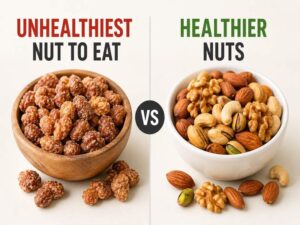
Nuts to Avoid or Restrict:
Sugar-coated nuts raise blood sugar and increase the chance of weight gain, while high-sodium nuts, like some peanuts, can have an impact on blood pressure. Cashews have less fiber and more saturated fat than the majority of other nuts. Macadamia nuts are extremely high in fat and calories and must be consumed in moderation to prevent weight gain. Raw Cashews: Since they are often treated to eliminate a toxin called urushiol (which is similar to poison ivy), they should not be consumed. Horse Chestnuts: These are toxic and may induce serious diseases. They are frequently confused with edible chestnuts.
Additional Factors:
Brazil Nuts: Extremely nutritious, but consuming more than a few each day can result in selenium poisoning. Pine Nuts: may occasionally give the mouth a transient metallic flavor known as “pine mouth.”
Table of contents
- Introduction – What Is the Unhealthiest Nut to Eat?
- 8 options for nuts to stop eating 6 of them
- ❓FAQ – What Is the Unhealthiest Nut to Eat?
- 📌 Conclusion – What Is the Unhealthiest Nut to Eat?
Introduction – What Is the Unhealthiest Nut to Eat?
Nuts are widely known for their healthy fats, protein, fiber, vitamins, and heart-friendly nutrients. However, not all nuts are equally healthy. Some nuts may become unhealthy when they are heavily processed, fried, sugar-coated, or loaded with excess salt and artificial flavorings. Many people searching for “What is the unhealthiest nut to eat?” are often referring to nuts that are high in calories, sodium, unhealthy fats, or added sugars.
Highly salted or oil-fried nuts may increase sodium and calorie intake, while candy-coated nuts can contain excessive sugar and unhealthy additives. Eating large amounts of processed nuts regularly may contribute to weight gain, high blood pressure, heart problems, or digestive discomfort in some individuals. Additionally, peanuts and tree nuts are among the most common food allergens and can trigger serious allergic reactions in sensitive people.
Despite these concerns, nuts can still be part of a healthy diet when consumed in moderation and prepared in healthier ways. Choosing raw, unsalted, or dry-roasted nuts instead of heavily processed varieties may provide better nutritional benefits while reducing unnecessary additives.
Understanding which nuts are less healthy and how processing affects nutrition can help people make smarter dietary choices for long-term health and wellness.
8 options for nuts to stop eating 6 of them
It’s likely that you’ve heard contradictory things about nuts. Nuts are included in a variety of so-called nutritious meals, such as trail mix, and some claim they are the finest option when you want a high-protein, nutritious snack. Others advise avoiding nuts, though, since it’s too easy to go overboard and consume too many. Too much of a good thing is possible, and when it comes to high-fat nuts, that health-conscious treat may soon become less than ideal. Others will advise you to avoid nuts since the agricultural methods used to grow certain kinds are harmful to the environment.
So which one is it? What about nuts? Are they good, bad, or somewhere in between? The truth is that it all depends on the kinds of nuts you are eating. Here are some nuts that you should either stop eating or eat in smaller amounts, as well as some nuts that you should always grab when you visit the supermarket.
Cashews are no longer eaten.
It is true that cashews are both tasty and versatile. You may use it to produce cheese, milk, or butter in addition to using it in sweet and savory meals. But despite all the benefits of cashews, including beneficial nutrients like fiber, protein, and healthy lipids, they are not the ideal nut.
Compared to other nuts, cashews are exceptionally high in saturated fat (twice as much as almonds). An excessive intake of saturated fat may raise your cholesterol levels. In addition to their high fat content, cashews also raise concerns about human rights. The production and processing of cashews are concentrated in some of the world’s poorest nations, where the work is labor-intensive and may be hazardous to employees. For instance, the cashew shelling process results in the production of a corrosive material that causes burns, and not all employees have access to protection. Workers may be paid based on their production rather than their hourly rate. In certain instances, drug rehab patients are made to handle cashews through forced labor.
In conclusion, before eating cashews, conduct some study to learn about their origin and route to your local supermarket. After that, keep an eye on the saturated fat.
Stop consuming: Roasted nuts
Regardless of the kind of nuts, roasted nuts—whether they are honey-roasted or dry-roasted—frequently include a few extra ingredients, such salt and/or sugar. Fisher’s oven-roasted almonds, for instance, include 170 calories, 15 grams of fat, and 110 milligrams of sodium per serving. On the other hand, Blue Diamond’s raw, whole almonds have somewhat less fat and calories in addition to zero sodium. Similarly, Blue Diamond’s honey roasted almonds have 5 grams of total sugar, which is about 10% of your daily recommended intake, whereas Blue Diamond’s whole, raw almonds only have 1 gram of sugar, which is equivalent to 0% of your daily recommended intake.
You can easily dry fry or oven toast nuts at home if you enjoy the roasted taste of roasted nuts but wish to stay away from added salt and sugar. To dry fry any nut variety, put your nuts in a warm skillet on your stovetop and toast them for a few minutes, making sure to move the nuts around to prevent burning. Spread the nuts out evenly on a baking sheet and place them in the oven for about 10 minutes to toast them. To avoid burning, you will still need to shake the nuts around once or twice.
Quit consuming: Nuts that are seasoned or salted
In addition to roasted nuts, there is extra salt and sugar in it. Similarly, salted and seasoned nuts add more sodium and sugars to the mix. Blue Diamond’s complete, raw almonds are sodium-free once again. The brand’s smokehouse almonds and Korean barbecue almonds, on the other hand, have 7% and 6% of the sodium that you need in a day, respectively. Likewise, raw peanuts have no salt, but Nature’s Eats’ garlic Parm peanuts have 10% of your daily intake, and Snak Club’s ranch-flavored peanuts have 16% of your daily intake. In addition to the higher sodium level overall, it’s also important to remember that the additional salt in salted or flavored nuts might make you drink more and quicker when consuming alcohol, which is a common pairing in pubs and at parties.
However, you don’t need to totally give up on flavored nuts. If you are already roasting your nuts at home, consider adding some sodium-free tastes. Use items that are probably already in your spice cabinet, such as cinnamon, cayenne pepper, or paprika.
Discontinue eating: Too many nuts
Regardless of the kind of nut you are eating, experts advise consuming nuts in moderation to maximize the health advantages. The average nut serving size is around 30 grams, regardless of kind, which is equivalent to a single little handful (though it’s simple to consume many handfuls). Eating several servings of nuts at once could lead to an excess of fat intake, and you may be better off with a higher-protein, lower-fat snack, such low-fat dairy or lean animal protein. Furthermore, some nuts include other nutrients that are harmful in high amounts; For instance, eating too many Brazil nuts might result in selenium poisoning because they contain more than seven times your daily intake of the mineral.
A strategy to prevent overindulging? Attempt to purchase nuts that are still in their shells, forcing you to make a little more effort to get your treat. This can make you eat fewer nuts overall and slow down your snacking. Nuts from a large container may also be pre-divided into individual serving sizes.
Quit consuming: Pistachios
Perhaps it’s simply effective marketing, but it seems that pistachios have become much more well-liked in the past ten years. Pistachios, once a niche ice cream flavor, are now a delectable common treat. But pistachios have their flaws as well.
Although pistachios provide fiber, protein, and antioxidants, they are also heavy in calories and fat. If you have any digestive difficulties, the fiber content may make them worse. In addition, pistachio plants need a fair quantity of water to thrive. Pistachios Are Great For instance, California’s Central Valley orchards need more water than every home in Los Angeles taken together. According to reports, the orchards have also contributed to health issues for the population in the surrounding region and a shortage of safe drinking water. The proprietors of the brand also own Cuties, Fiji Water, and POM pomegranate juice. Additionally, they are the subject of the documentary “Pistachio Wars,” which examines the detrimental environmental effects of their activities in California.
Quit eating almonds.
The most popular nut in the United States is the almond, which is praised for its health benefits, such as its cardiovascular benefits, vitamins, and antioxidants. If almonds are now your nut of choice, though, they are worth reconsidering. The environment is the main factor to consider before making a decision about almonds. Each almond needs more than a gallon of water to grow. California, which often battles droughts, produces the majority of the world’s almonds. At the same time, the amount of land in California used to cultivate almonds is constantly growing. Due to the depletion of subterranean aquifers, which can lead to road collapses, and the killing of fish species that are no longer found in California rivers, the high water consumption can lead to serious problems. The almond industry does sustain a lot of pollinators, which at first glance is positive, but the use of pesticides on almond trees can also eliminate a large number of these pollinators.
In conclusion, the most consumed nut in the United States shouldn’t be almonds. Try a less popular, more sustainably produced nut?
❓FAQ – What Is the Unhealthiest Nut to Eat?
Q1. What is considered the unhealthiest nut?
Some highly processed nuts with excess salt, sugar, or oil—such as heavily salted or candy-coated nuts—may be considered less healthy options.
Q2. Are salted nuts unhealthy?
✔️ Eating too many salted nuts may increase sodium intake, which can contribute to high blood pressure and water retention in some individuals.
Q3. Are roasted nuts bad for health?
❌ Not always. Dry-roasted nuts can still be healthy, but oil-fried or heavily processed nuts may contain extra unhealthy fats and calories.
Q4. Which nuts are highest in calories?
Macadamia nuts and pecans are among the highest-calorie nuts due to their high fat content.
Q5. Are peanuts unhealthy?
❌ Peanuts can be nutritious, but some people may experience allergies or problems from heavily processed peanut products.
Q6. Can nuts cause allergies?
✔️ Yes, tree nuts and peanuts are among the most common food allergens and can cause severe allergic reactions.
Q7. Are flavored nuts unhealthy?
Some flavored nuts may contain:
- Excess salt
- Added sugar
- Artificial flavorings
- Extra oils
which may reduce their nutritional benefits.
Q8. Which nuts are healthiest?
Common healthy nuts include:
- Almonds
- Walnuts
- Pistachios
when consumed in moderation.
Q9. Can eating too many nuts be harmful?
✔️ Excessive nut consumption may lead to:
- Weight gain
- Digestive discomfort
- High calorie intake
Q10. How should nuts be eaten for better health?
Choose:
- Unsalted nuts
- Dry-roasted nuts
- Portion-controlled servings
for healthier snacking.
📌 Conclusion – What Is the Unhealthiest Nut to Eat?
While most nuts provide healthy fats, protein, fiber, and important nutrients, some processed varieties may become less healthy due to added salt, sugar, oils, and excess calories. Highly salted, sugar-coated, or oil-fried nuts are often considered the unhealthiest choices because they may contribute to high sodium intake, weight gain, and other health concerns when eaten excessively.
Moderation is important when consuming nuts, especially for individuals with allergies, heart disease, or dietary restrictions. Choosing natural, unsalted, or dry-roasted nuts can provide better nutritional benefits while reducing unnecessary additives and calories.
Understanding the difference between healthy and heavily processed nuts can help support better dietary habits, heart health, and overall wellness.
Which Nuts Are the Most Nutritious?
Key lessons learned
Nuts are nutrient-dense foods high in protein, fiber, good fats, vitamins, and minerals. Eating them in moderation can help you maintain a healthy immune system and lower your chance of developing heart disease.
The following are a few of the healthiest nuts: almonds, walnuts, pistachios, cashews, pecans, macadamia nuts, Brazil nuts, hazelnuts, and peanuts. Each kind has a distinct nutritional profile and particular health advantages.
Nuts are best eaten whole, without extra salt or sugar, for optimal health. Although all nuts are high in calories, they may often be eaten by themselves or in combination with fruits and veggies as part of a well-rounded diet.
Nuts are a delightful snack that is both crunchy and nutritious.
They are an excellent source of:
fiber
antioxidants
vitamins and minerals
beneficial lipids
protein
Eating nuts has several benefits, including lowering the chance of contracting diseases like heart disease.
The nutritional content, texture, and flavor of nuts differ. They are delicious on their own, with fruit, or in foods like salads, sweets, and grains.
Continue reading to find out more about nutritious nuts and their potential advantages.
1. Almonds
Because of their flavor, outstanding nutritional makeup, and low price, almonds are a favorite choice. They are frequently processed into almond butter, flour, and milk, and you may consume them raw or roasted.
Roasted almonds have 28 grams (g), or one ounce (oz), of protein per serving. Reliable Resource:
170 kcal
15 g of fat
Protein: 6 g
6 g of carbohydrates
Fiber: 3 grams
Vitamin E: 6.8 mg
Magnesium: 79 mg
These nuts provide vitamin E, a fat-soluble vitamin that acts as an antioxidant to shield your cells from oxidative injury. Additionally, this vitamin aids in cellular communication and immunological function.
Almonds are not only a nutrient-dense food, but they may also lower risk factors for heart disease.
According to a 2021 study Trusted Source of 219 young adults, those who consumed 2 ounces (56 grams) of almonds per day had considerably lower levels of LDL (bad) cholesterol, inflammatory markers, and hemoglobin A1c, which is a measure of blood sugar control, when compared to a control group.
By encouraging the growth of healthy gut bacteria, such as Bifidobacteria and Lactobacillus species, almonds can also help with intestinal health.
Recipes
Try out these recipes that include almonds.
Trout with Almond Crust and Brussels Sprout Salad
Almond Cookies with Cinnamon Keto
Arugula and Almond Salad with Pork Saltimbocca
Broccoli-Almond Pesto with Shirataki Noodles
2. Pistachios
Brightly colored, nutrient-rich pistachios are nuts. They have fewer calories and fat than many other nuts.
Only 28 grams, or one ounce, of pistachios are included. Reliable Source:
159 kcal
13 g of fat
Protein: 6 grams
8 g of carbohydrates
3 g of fiber
0.4 mg of vitamin B6
Phosphorus: 139 mg
Among the many nutrients found in pistachios is vitamin B6, which your body requires. A reliable resource for understanding how nutrients are metabolized and how the immune system works.
These nuts also contain a lot of plant-based chemicals that might have anti-inflammatory and antioxidant effects, such as:
zeaxanthin and lutein are carotenoids.
anthocyanins
flavonoids
proanthocyanidins
One set of participants in a 2020 study of 100 overweight individuals consumed 1.5 oz (42 g) of pistachios daily and took part in a group-based behavioral weight reduction program, while the other group just engaged in the weight loss program.
The weight reduction was comparable among the groups, but the pistachio group saw notable improvements in blood pressure and blood antioxidant levels.
Recipes
Give these pistachio recipes a try.
Oatmeal topped with pistachios, honey, and ricotta
Orange Pistachio Parfait
Cherry-Pistachio Crumble
3. Walnuts
Walnuts have a high nutritional profile and are associated with a variety of health advantages.
Trusted Source: A 1 oz (28 g) serving has
185 calories
Fat: 18.5 g
Protein: 4 grams
Four grams of carbs.
Fiber: 2 g
Copper: 0.4 mg
Magnesium: 44 mg
0.9 mg of manganese
Copper, a mineral necessary for the production of enzymes that help in neurotransmitter production and energy generation, may be found in these nuts. Additionally, copper promotes healthy blood vessel formation and immune system function.
Additionally, walnuts may help with heart health by lowering a number of risk factors for heart disease, such as:
blood pressure
Cholesterol in LDL
triglycerides
Further, some studies in humans and animals indicate that more research is needed, although According to Trusted Source, consuming 1 to 2 oz (28 to 57 g) of walnuts daily may help lower dementia risk factors like heart disease and type 2 diabetes as well as boost cognitive function.
Suggestions for a nutritious breakfast: walnut granola
4. Cashews
Cashews have a smooth mouthfeel and crisp consistency. They go nicely with both sweet and savory foods. They may be consumed raw, roasted, or as nut butter.
Raw cashews provide one ounce (28 grams) of nutrients. Trusted Source:
157 kcal in calories
Fat: 12 g
Protein: 5 g
8.5 g of carbohydrates
1 gram of fiber
Vitamin K: 9 mcg
82 mg of magnesium
Manganese: 0.4 mg
These nuts are a good source of a number of nutrients necessary for healthy bones, such as:
protein
vitamin K
magnesium
manganese
A 2019 review of research revealed that cashews lowered triglyceride levels and blood pressure, albeit more investigation is required.
Recipes
Give these cashew-containing dishes a try!
Apricot and Cashew Snack Bites
Cashew and Mushroom Soba Noodles
Roasted sweet potatoes, cashews, and collard greens in a salad
5. Pecans
The gentle flavor of pecans makes them a favorite ingredient in salads, pies, and cakes.
One ounce, or 28 grams, of roasted pecans, provides Reliable Source:
201 kcal
21 grams of fat
Protein: 2.7 grams
3.8 g of carbohydrates
2.6 grams of fiber
Zinc: 1.4 mg
Manganese: 1.1 mg
Zinc is a mineral that is abundant in pecans and is essential for several functions. Trusted Source in:
immunity system
treatment for wounds
the process of creating DNA
expansion and progress
Moreover, a few studies imply that pecans are beneficial to cardiovascular health.
A 2021 research of 56 individuals at risk of heart illness revealed that, compared to a control group, those who consumed pecans every day experienced considerable drops in triglyceride and LDL cholesterol levels. More research is still needed, however.
Recipes
These recipes with pecans are worth a shot.
Cookies with Butter Pecan and Low Sugar
Fried Apples with Pecan Crumble
6. Macadamia nuts
The buttery consistency of macadamia nuts is packed with nutrients. A 28-gram (or 1-ounce) portion provides Trusted Source:
204 kcal
Fat: 21.5 grams
2 g of protein
3.9 grams of carbohydrates
Fiber: 2.4 g
1.17 mg of manganese
Copper: 0.2 mg
Similar to other nuts, macadamia nuts have a low carbohydrate content and are a good source of good fats.
7. Brazil nuts
Selenium, a mineral, is one of the many minerals found in abundance in Brazil nuts.
One ounce, or 28 grams, is the recommended serving size, according to Trusted Source.
Calories: 187 kcal
Fat: 19 g
Protein: 4 grams
3 g of carbohydrates
Fiber: 2 grams
1.6 mg of vitamin E
107 mg of magnesium
544 micrograms of selenium
Brazil Magnesium, a vital mineral forTrusted Source, and vitamin E are just a couple of the many vitamins and minerals found in nuts.
controlling blood sugar and blood pressure
nerve activity
the generation of energy
These nuts are among the best dietary sources as well. Selenium, a nutrient essential for the formation of thyroid hormones and DNA synthesis, is found in this reliable source.
However, to avoid exceeding the 400 mcg upper limit, which can result in selenium poisoning, it is recommended that you limit your consumption to a few nuts each day.
8. Hazelnuts
Hazelnuts are a nutritious powerhouse, containing a lot of fiber, protein, and good fats. One ounce, or 28 grams, of a serving contains Reliable Source:
178 kcal
Fat: 17 g
Protein: 4 g
Carbs: 4.7 g
2.7 g of fiber
4.2 mg of vitamin E
Magnesium: 46 mg
1.7 mg of manganese
Due to the high concentration of healthy plant chemicals like those listed below, hazelnuts may also have antioxidant and anti-inflammatory properties in addition to being a rich source of vitamins and minerals, according to Trusted Source:
acid gallic
epicatechin
caffeic acid
quercetin
9. Groundnuts
Despite the fact that peanuts are technically a member of the legume family, their nutritional profile and culinary applications are comparable to those of tree nuts, and they also provide similar health advantages.
Raw peanuts have a content of one ounce, or 28 grams. Reliable Source approximately:
162 kcal of energy
Fat: 13.5 g
7 g of protein
6 g of carbohydrates
2.4 g of fiber
3.6 mg of vitamin B3 (niacin).
69 mcg of folate (vitamin B9)
52 mg of magnesium
Plant protein is abundant in peanuts, which can make you feel satisfied. They are high in folate, a B vitamin that plays a crucial role in fetal development during pregnancy, and polyphenol antioxidants. Dependable source.
According to certain research, peanuts may potentially help reduce the risk of stroke, coronary artery disease, and cardiovascular disease. But peanut butter is not included.
recipes
Why not give these recipes with peanuts a try?
Protein Bars with Oats, Peanuts, and Chocolate
Apple slices served with a peanut butter yogurt dip
With Peanut Sauce, Shrimp and Collard Greens
Common questions
Which method of nut consumption is the healthiest?
Nuts are best consumed whole, without added salt or sugar. Due to their high calorie content, they should be consumed in moderation.
What nuts are the least fattening?
Although all nuts have a high calorie count per serving, pistachios and peanuts have a bit lower calorie and fat content than other varieties.
Which nuts are the least healthy to consume?
Brazil nuts contain the highest amount of saturated fat, while macadamia nuts have the highest caloric content.
In conclusion
Nuts provide a lot of vital elements, like protein, fat, fiber, vitamins, and minerals. Some examples include almonds, Brazil nuts, cashews, hazelnuts, macadamia nuts, pecans, pistachios, walnuts, and peanuts.
Among its other advantages, nuts may help lower your risk of heart disease and promote immune health when consumed as part of a nutrient-dense diet.
Furthermore, nuts are tasty and adaptable. You can eat them by themselves or combine them with other healthy foods like fruits and veggies.
Cashew Dressing Rainbow Salad Bowl
👉 YouTube Channel:
http://www.youtube.com/@healthuseful8539/
📞 ENT Consultation & Surgery
Dr. Sagar Rajkuwar (MS-ENT)
Prabha ENT Clinic, Ambad, Nashik
📱 7387590194 | 9892596635
🌐 www.entspecialistinnashik.com
📲 For Health-Related Articles & Videos
🔹 Facebook: https://www.facebook.com/positivemind.healthcare
🔹 YouTube: http://www.youtube.com/@healthuseful8539/
📚 References
- https://www.thetakeout.com/1709192/nuts-should-stop-eat-choose-instead/
- https://www.healthline.com/nutrition/9-healthy-nuts