What Medicine Is Best for Sore Throat? Top Treatments for Fast Relief
Author: Dr Sagar Rajkuwar, ENT Specialist, Nashik, Maharashtra, India
🌐 www.entspecialistinnashik.com
The best medicine for fast sore throat relief includes over-the-counter anti-inflammatories like ibuprofen (Advil, Motrin) or acetaminophen (Tylenol) to reduce pain and inflammation. For immediate, localized numbing, throat sprays and lozenges containing benzocaine, menthol, or phenol are highly effective.
Pain Relievers: Naproxen (Aleve) and ibuprofen (Advil, Motrin) alleviate pain and inflammation.
Acetaminophen: Tylenol is useful in relieving pain and lowering fever.
Throat Sprays: Sprays containing phenol or chloraseptic provide quick throat relief. Medicated lozenges with menthol or benzocaine give comforting, localized numbing. Liquids and cough syrups: Products containing dextromethorphan can relieve irritation.
Home Remedies for Extra Relief Saltwater Gargle: To lessen inflammation, combine half a teaspoon of salt with one cup of warm water and gargle.
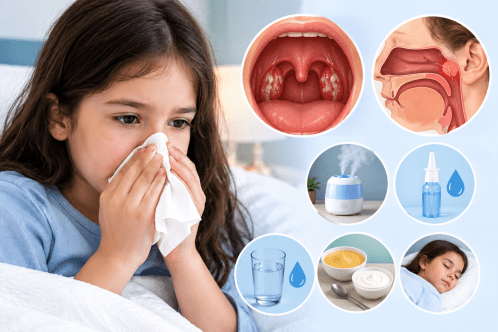
Hydration: Consume ice chips or tea with honey in warm beverages. Use a humidifier to keep your throat from becoming dry due to humidity.
Important Safety Information Children: Due to the danger of Reye’s syndrome, never give aspirin to youngsters or adolescents. Antibiotics are only required for bacterial illnesses like Strep, which need to be diagnosed by a medical professional.
When to See a Doctor: Get medical help if you have severe pain, trouble breathing, or difficulty swallowing.
Disclaimer: Get individualized medical recommendations from a pharmacist or healthcare practitioner.
Table of contents
- 1.🏠 Basic Self-Care Techniques for Sore Throat Relief
- 2.💊 Over-the-Counter Painkillers for Sore Throat Relief
- 3.🍬 Topical Treatments for Sore Throat Relief
- 4.💉 Corticosteroids for Severe Sore Throat Pain (SEO Optimized)
- 5.🦠 Antibiotics for Sore Throat (Only for Bacterial Infections)
- 6. Additional Factors
- 7. When to Seek Medical Attention
- 8. Overview of sore throat medications
- 9. Concluding Remarks
1.🏠 Basic Self-Care Techniques for Sore Throat Relief
Before using medications, several simple self-care techniques can help soothe a sore throat naturally and support faster recovery. These home remedies are effective for reducing irritation, dryness, inflammation, and discomfort caused by viral infections, allergies, or environmental triggers.
💧 Stay Hydrated
Drinking plenty of fluids is one of the best ways to relieve throat irritation. Warm liquids such as herbal tea, warm broth, and water help keep the throat moist, loosen mucus, and reduce dryness. Proper hydration also supports the immune system during recovery.
🗣️ Rest Your Voice
Excessive talking, shouting, or speaking loudly can strain the throat and worsen irritation. Giving your voice adequate rest allows inflamed throat tissues to heal more quickly and helps reduce pain.
🌫️ Increase Humidity
Dry air may aggravate throat discomfort. Using a cool-mist humidifier or breathing steam from a warm shower can add moisture to the air, helping soothe dry throat tissues and improve breathing comfort.
🧂 Warm Saltwater Gargle
A warm saltwater gargle is a simple and effective home remedy for sore throat relief.
Mix:
- ½ teaspoon of salt
- 8 ounces of warm water
Gargle 2–3 times daily to:
- Reduce throat swelling
- Loosen mucus
- Soothe irritation
- Help cleanse the throat
🍯 Honey for Comfort
Honey may naturally coat and soothe the throat, reducing irritation and coughing. A teaspoon of honey can be taken directly or mixed into warm tea for additional comfort.
⚠️ Avoid giving honey to infants under 1 year old.
🚭 Avoid Irritants and Triggers
Certain environmental factors can worsen sore throat symptoms. Avoid:
- Tobacco smoke
- Strong perfumes or fragrances
- Dry or cold air
- Air pollution
Reducing exposure to these irritants can help prevent further throat inflammation.
2.💊 Over-the-Counter Painkillers for Sore Throat Relief
Over-the-counter (OTC) pain relievers are commonly used to reduce sore throat pain, fever, and inflammation. Medicines such as Acetaminophen (paracetamol) and Ibuprofen are widely recommended for temporary symptom relief in viral infections, throat irritation, and mild inflammatory conditions.
These medications can help improve comfort, reduce swallowing pain, and support recovery when used correctly and safely.
✔️ Acetaminophen (Paracetamol)
Acetaminophen, also known as paracetamol, is one of the most commonly used medicines for sore throat pain and fever reduction.
✅ Benefits of Acetaminophen
- Reduces throat pain
- Helps lower fever
- Gentle on the stomach compared to some NSAIDs
💊 Recommended Adult Dosage
- 500–1,000 mg every 6 hours
- Maximum daily dose: 3,000 mg
⚠️ Important Warnings
- People with liver disease should consult a doctor before use
- Heavy alcohol consumption may increase the risk of liver damage
- Some healthcare guidelines recommend limiting intake to 2,000 mg daily in certain liver conditions
- Always check labels of combination cold and flu medicines to avoid accidental overdose
✔️ Nonsteroidal Anti-Inflammatory Drugs (NSAIDs)
NSAIDs are commonly used to reduce:
- Pain
- Fever
- Inflammation
Common Examples
- Ibuprofen
- Naproxen
✔️ Ibuprofen for Sore Throat
Ibuprofen is widely used for sore throat relief because it helps reduce both pain and inflammation.
✅ Benefits of Ibuprofen
- Relieves throat pain
- Reduces fever
- Decreases swelling and inflammation
💊 Recommended Adult Dosage
- 200–400 mg every 6–8 hours
- Maximum daily dosage: 1,200 mg unless directed by a healthcare professional
⚠️ NSAID Safety Warnings
Although effective, NSAIDs may cause side effects in some individuals.
Use with Caution If You Have:
- Stomach ulcers
- Kidney disease
- Heart disease
- High blood pressure
- Liver cirrhosis
Additional Precautions
- Take NSAIDs with meals to reduce stomach irritation
- Avoid long-term overuse without medical advice
- Individuals with advanced liver disease should seek personalized medical guidance
3.🍬 Topical Treatments for Sore Throat Relief
Topical sore throat treatments are designed to provide fast, localized relief by soothing, coating, or temporarily numbing irritated throat tissues. These treatments are commonly available as throat lozenges, sprays, pastilles, and throat gels. They are widely used to reduce throat pain, dryness, irritation, and discomfort associated with viral infections, colds, flu, or throat inflammation.
Many over-the-counter topical treatments contain ingredients such as Dextromethorphan, menthol, eucalyptus oil, benzocaine, lidocaine, or phenol to help relieve symptoms quickly and improve swallowing comfort.
🍭 Hard Candies & Throat Lozenges
Throat lozenges are one of the most popular remedies for sore throat relief.
✔️ Common Active Ingredients
- Menthol
- Benzocaine
- Eucalyptus oil
- Dextromethorphan
✅ How Throat Lozenges Help
- Coat and soothe the throat
- Provide temporary numbing relief
- Reduce irritation and dryness
- Help suppress coughing in some cases
💊 Usage Instructions
- Use one lozenge every 2–4 hours as needed
- Allow it to dissolve slowly in the mouth for best results
⚠️ Important Note
- Avoid excessive use, especially in young children, because some lozenges may cause choking risk or excessive numbness.
💨 Throat Sprays
Throat sprays provide direct application of medication to the irritated throat area and are commonly used for fast symptom relief.
✔️ Common Ingredients
- Lidocaine
- Benzocaine
- Phenol
✅ Benefits of Throat Sprays
- Quick localized pain relief
- Temporary throat numbing
- Easier swallowing for some individuals
💊 Recommended Usage
- Spray directly to the back of the throat
- Usually used 2–4 times daily as directed
⚠️ Safety Reminder
Do not overuse throat sprays because excessive numbing may affect the gag reflex and swallowing safety.
🧴 Pastilles & Throat Gels
Throat gels and medicated pastilles work similarly to throat sprays and may provide longer-lasting symptom relief for some individuals.
✔️ Common Ingredients
- Lidocaine gel
- Menthol-based formulations
✅ Advantages
- Extended soothing effect
- May reduce throat irritation for a longer duration
- Helpful for severe throat dryness or discomfort
4.💉 Corticosteroids for Severe Sore Throat Pain
In cases of moderate to severe sore throat pain, doctors may prescribe oral corticosteroids to help reduce inflammation and provide faster symptom relief. Corticosteroids are powerful anti-inflammatory medicines that can temporarily decrease throat swelling, improve swallowing, and reduce severe throat discomfort when standard pain relievers are not enough.
One of the most commonly prescribed corticosteroids for severe sore throat is Dexamethasone.
✔️ How Corticosteroids Help Sore Throat
Oral corticosteroids work by:
- Reducing inflammation in throat tissues
- Decreasing swelling and irritation
- Improving swallowing ability
- Providing faster pain relief
These medicines are usually considered when throat pain becomes severe enough to interfere with:
- Drinking fluids
- Eating
- Taking medications
📚 Evidence Supporting Corticosteroid Use
Research published by Hayward et al. in BMJ (2009) found that a single dose of Dexamethasone helped:
- Reduce throat pain faster
- Improve swallowing comfort
- Provide relief for up to 24 hours in some patients
💊 Typical Dosage
A commonly used dosage is:
- One 10 mg tablet of Dexamethasone or equivalent
⚠️ Corticosteroids should only be used under medical supervision.
⚠️ Important Precautions
Before using corticosteroids for sore throat relief, it is important to consider possible risks and side effects.
✔️ Talk to Your Doctor If You:
- Have diabetes
- Have weakened immunity
- Are pregnant or breastfeeding
- Have stomach ulcers or infections
⚠️ Diabetes Warning
People with uncontrolled diabetes should use corticosteroids cautiously because they may increase blood sugar levels.
⚠️ Avoid Regular Self-Use
Corticosteroids are generally intended for:
- Short-term use
- Severe symptoms only
Long-term or unnecessary use may increase the risk of side effects.
5.🦠 Antibiotics for Sore Throat (Only for Bacterial Infections)
Most sore throats are caused by viral infections such as the common cold or flu, and antibiotics do not work against viruses. Antibiotics are only effective when a sore throat is caused by a confirmed bacterial infection, especially strep throat caused by Group A Streptococcus bacteria.
Using antibiotics unnecessarily may increase the risk of side effects and contribute to antibiotic resistance. For this reason, proper medical diagnosis is important before starting antibiotic treatment for sore throat symptoms.
✔️ When Are Antibiotics Needed?
Doctors may prescribe antibiotics if:
- A throat swab or rapid antigen test confirms bacterial infection
- Symptoms strongly suggest strep throat
- Common Signs of Bacterial Sore Throat
- Sudden severe sore throat
- Fever above 38°C (100.4°F)
- Swollen or enlarged lymph nodes
- White patches or pus on the tonsils
- Pain while swallowing
💊 Common Antibiotics for Strep Throat
✔️ First-Line Antibiotics
- Amoxicillin
- Penicillin V
These medicines are commonly prescribed for approximately 10 days to fully treat the infection.
✔️ If Allergic to Penicillin
For individuals with penicillin allergy, doctors may prescribe:
- Azithromycin
This antibiotic belongs to the macrolide group and is often used as an alternative treatment option.
✅ Benefits of Antibiotics
When used appropriately for bacterial infections, antibiotics may:
- Reduce throat pain and infection
- Shorten illness duration
- Prevent complications such as rheumatic fever
- Lower the risk of spreading infection to others
⚠️ Risks & Side Effects of Antibiotics
Antibiotics should only be taken when medically necessary because they may cause side effects, including:
- Diarrhea
- Skin rash
- Nausea
- Allergic reactions
Overuse of antibiotics may also contribute to:
- Antibiotic resistance
- Reduced effectiveness of future treatments
📌 Importance of Proper Diagnosis
Doctors may perform:
- Rapid antigen detection test
- Throat culture
to confirm whether the sore throat is bacterial before prescribing antibiotics.
6. Additional Factors
children under the age of 16:
- Stay away from aspirin because it increases the chance of developing Reye’s syndrome.
- The dosage of ibuprofen/acetaminophen must be determined by weight.
if a woman is pregnant or nursing:
- Acetaminophen is usually preferred.
- The third trimester is typically when NSAIDs are avoided.
Chronic liver conditions (cirrhosis, hepatitis):
- Consult a hepatologist about acetaminophen use, and limit it to 2,000 mg per day (see Ziol et al. on noninvasive fibrosis assessment and EASL guidelines).
- Use NSAIDs with care because they can cause kidney damage and gastrointestinal hemorrhage.
Weakened immune system or serious ailment:
- Consult a doctor right away; you might need prescription antiviral or antibiotic treatment.
7. When to Seek Medical Attention
The majority of sore throats get better on their own at home. If you experience any of the following, though, call a doctor or visit an urgent care center:
- breathing issues or noisy breathing (stridor).
- Having a hard time swallowing any liquids or drooling.
- A severe headache or stiff neck.
- High fever (above 39°C/102.2°F) that is unaffected by acetaminophen/NSAIDs.
- Symptoms that persist for over a week without getting better.
- Signs of dehydration include severe dry mouth, dizziness, lightheadedness, and minimal or nonexistent urine.
- You may use Ubie’s Free AI Dry Throat Symptom Checker to obtain tailored advice and suggestions on what to do next if your dry throat is accompanied by other symptoms.
8. Overview of sore throat medications
Key Caution Types of Examples Benefits
- Tylenol (paracetamol) containing acetaminophen fever management, pain relief keep it between 2 and 3 grams per day. dangers associated with liver disease
- Ibuprofen and naproxen are examples of NSAIDs. Kidney effects, heart illness, and GI upset that is anti-inflammatory and analgesic
- throat sprays and lozenges phenol, menthol, benzocaine Local anesthesia Overuse may irritate or desensitize the gag reflex.
- Corticosteroid (single dose) Dexamethasone Quick pain alleviation Only available with a prescription; causes an increase in blood glucose levels.
- antibiotics (if strep) Amoxicillin, penicillin Treats bacterial illnesses The chance of resistance is only present with verified strep.
9. Concluding Remarks
- Read and adhere to the label guidelines at all times.
- To prevent overdose, keep track of the total daily amount.
- Before beginning any new treatments, speak with a medical expert if you have any underlying medical conditions, such as diabetes, liver illness, cirrhosis, or heart or kidney problems.
- Make sure you contact a doctor about anything that might be life-threatening or significant.
- Most sore throats may be treated with the right medication and self-care. When in doubt, speak with a specialist to make sure that your treatment is both safe and effective.
⚠️ Medical Disclaimer
This content is for educational and informational purposes only and should not be considered medical advice. Always consult a qualified healthcare professional or ENT specialist before starting any medication or treatment for sore throat symptoms. Seek immediate medical attention if you experience severe throat pain, difficulty breathing, trouble swallowing, high fever, or persistent symptoms.
👉 YouTube Channel:
http://www.youtube.com/@healthuseful8539/
📞 ENT Consultation & Surgery
Dr. Sagar Rajkuwar (MS-ENT)
Prabha ENT Clinic, Ambad, Nashik
📱 7387590194 | 9892596635
🌐 www.entspecialistinnashik.com
📲 For Health-Related Articles & Videos
🔹 Facebook: https://www.facebook.com/positivemind.healthcare
🔹 YouTube: http://www.youtube.com/@healthuseful8539/
🔗 Related Articles on Throat
🔗 Best Home Remedies for Sore Throat During Pregnancy
https://healthuseful.com/best-home-remedies-for-sore-throat-during-pregnancy/
🔗 Sore Throat Viral Infection: Symptoms, Causes & Treatment
https://healthuseful.com/sore-throat-viral/
🔗 Sore Throat and Stuffy Nose: Causes & Relief Tips
https://healthuseful.com/sore-throat-stuffy-nose/
🔗 Sore Throat: Symptoms, Causes & Best Treatments
https://healthuseful.com/sore-throat/
🔗 What Kills a Throat Infection Fast Overnight?
https://healthuseful.com/what-kills-a-throat-infection-fast-overnight/
🔗 Why Does My Throat Hurt Months After a Tonsillectomy?
https://healthuseful.com/why-does-my-throat-hurt-months-after-a-tonsillectomy/
🔗 Silent Reflux: The Hidden Cause of Chronic Throat Irritation
https://healthuseful.com/silent-reflux-the-hidden-cause-of-chronic-throat-irritation/
🔗 Can Post Nasal Drip Cause Strep Throat?
https://healthuseful.com/can-post-nasal-drip-cause-strep-throat/
🔗 Is Strep Throat Dangerous During Pregnancy?
https://healthuseful.com/is-strep-throat-dangerous-during-pregnancy/
🔗 How Much Do Antibiotics Cost for Strep Throat?
https://healthuseful.com/how-much-do-antibiotics-cost-for-strep-throat/
🔗 How Can Strep Throat Be Prevented?
https://healthuseful.com/how-can-strep-throat-be-prevented/
🔗 Have I Got Strep Throat? Signs & Symptoms Explained
https://healthuseful.com/have-i-got-strep-throat/
🔗 Strep Throat: Causes, Symptoms & Treatment Guide
https://healthuseful.com/strep-throat/
🔗 Does Strep Throat Cause a Cough?
https://healthuseful.com/does-strep-throat-cause-a-cough/