Can an ENT See Nasal Polyps? (Complete Guide to Diagnosis, Symptoms & Treatment)
Nasal blockage, loss of smell, and persistent sinus problems are common complaints seen in ENT practice. One of the most frequent underlying causes is Nasal Polyps. A common question patients ask is:
Author: Dr. Sagar Rajkuwar (MS ENT), ENT Specialist, Nashik, India
🌐 www.entspecialistinnashik.com
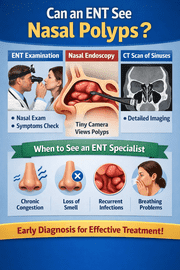
👉 “Can an ENT see nasal polyps?”
The simple answer is yes—an ENT specialist can easily diagnose nasal polyps using clinical examination and advanced tools like nasal endoscopy. However, understanding how this is done, when to consult, and what treatments are available is essential for effective management.
This will help you understand everything about nasal polyps—from symptoms and diagnosis to treatment and prevention.
📌 Table of Contents
- What Are Nasal Polyps?
- Can an ENT See Nasal Polyps?
- How ENT Specialists Diagnose Nasal Polyps
- Common Symptoms of Nasal Polyps
- Causes and Risk Factors
- When Should You See an ENT Specialist?
- Complications of Untreated Nasal Polyps
- Treatment Options for Nasal Polyps
- Medications for Nasal Polyps
- Surgical Treatment (Endoscopic Sinus Surgery)
- Home Remedies & Lifestyle Changes
- Do Nasal Polyps Go Away on Their Own?
- Prevention Tips
- Frequently Asked Questions
- Conclusion
What Are Nasal Polyps?
Nasal Polyps are soft, painless, non-cancerous growths that develop in the lining of the nasal passages or sinuses.
They are usually associated with chronic inflammation and are commonly seen in patients with:
- Asthma
- Allergic Rhinitis
- Chronic Sinusitis
- Recurrent infections
- Immune disorders
Small polyps may not cause symptoms, but larger ones can block nasal passages and significantly affect breathing.
Can an ENT See Nasal Polyps?
Yes, an ENT specialist (Ear, Nose, and Throat doctor) can clearly see nasal polyps during examination.
ENT doctors use specialized tools and techniques to:
- Visualize nasal passages
- Identify polyps
- Assess their size and number
- Determine severity
The most accurate method used is Nasal Endoscopy, which allows direct visualization of the nasal cavity.
📞 ENT Consultation & Surgery
Dr. Sagar Rajkuwar (MS-ENT)
Prabha ENT Clinic, Ambad, Nashik
📱 7387590194 | 9892596635
🌐 www.entspecialistinnashik.com
How ENT Specialists Diagnose Nasal Polyps
Diagnosis of nasal polyps is straightforward for an experienced ENT specialist.
1. Clinical Examination
The doctor first examines the nose using a nasal speculum or otoscope.
This helps detect:
- Visible polyps
- Swelling
- Nasal discharge
2. Nasal Endoscopy
Nasal Endoscopy is the gold standard.
Procedure:
- A thin flexible tube with a camera is inserted into the nose
- Provides a magnified view of nasal passages
- Helps detect even small polyps
Advantages:
- Accurate diagnosis
- Quick and painless
- Done in OPD
3. Imaging Tests
Sometimes imaging is required.
CT Scan
A CT scan of sinuses helps:
- Determine size and extent of polyps
- Identify sinus blockage
- Plan surgery if needed
Common Symptoms of Nasal Polyps
Recognizing symptoms early helps in timely treatment.
Typical Symptoms:
- Persistent nasal congestion
- Runny nose
- Postnasal drip
- Reduced or loss of smell
- Facial pain or pressure
- Headache
- Snoring
- Frequent nosebleeds
If these symptoms persist beyond 10 days, evaluation is necessary.
Causes and Risk Factors
Nasal polyps are mainly caused by chronic inflammation.
Common Causes:
- Allergies
- Sinus infections
- Asthma
- Environmental irritants
Risk Factors:
- Family history
- Smoking
- Pollution exposure
- Immune system disorders
When Should You See an ENT Specialist?
Early consultation helps prevent complications.
You should see an ENT if:
- Symptoms last more than 10 days
- Nasal blockage affects breathing
- Frequent sinus infections occur
- Loss of smell persists
- Medications are not working
An ENT specialist can diagnose the problem and start appropriate treatment early.
Complications of Untreated Nasal Polyps
Ignoring nasal polyps can lead to serious problems.
Possible Complications:
- Chronic sinus infections
- Sleep disturbances
- Breathing difficulty
- Reduced quality of life
- Spread of infection
In severe cases, complications may worsen significantly.
Treatment Options for Nasal Polyps
Treatment depends on size and severity.
Main Treatment Approaches:
- Medications
- Surgery
- Lifestyle changes
Medications for Nasal Polyps
Medical treatment is the first line.
1. Corticosteroid Nasal Sprays
These reduce inflammation and shrink polyps.
Examples include:
- Fluticasone
- Mometasone
2. Oral Corticosteroids
Used for severe cases.
They provide quick relief but are used for short duration.
3. Antihistamines
Helpful in allergy-related polyps.
4. Antibiotics
Used when infection is present.
Surgical Treatment
When medications fail, surgery is recommended.
Endoscopic Sinus Surgery
This is a minimally invasive procedure performed by ENT specialists.
Procedure:
- A small camera is inserted into the nose
- Polyps are removed
- Sinus openings are cleared
Benefits:
- Improves breathing
- Restores smell
- Reduces infection risk
Home Remedies & Lifestyle Changes
These support treatment and prevent recurrence.
Effective Home Care:
- Use a humidifier
- Perform saline nasal rinses
- Avoid smoke and pollution
- Maintain hygiene
- Stay hydrated
Do Nasal Polyps Go Away on Their Own?
A common question is:
👉 “Will nasal polyps disappear without treatment?”
The answer is no.
Most nasal polyps:
- Do not shrink naturally
- May grow over time
- Can worsen symptoms
Early treatment is essential.
Prevention Tips
While polyps cannot always be prevented, you can reduce risk.
Preventive Measures:
- Control allergies
- Avoid irritants
- Use nasal sprays regularly
- Treat infections early
- Maintain good air quality
Frequently Asked Questions
Can ENT doctors treat nasal polyps without surgery?
Yes, mild cases are treated with medications like nasal sprays and antihistamines.
Are nasal polyps dangerous?
They are not cancerous but can cause significant discomfort and complications if untreated.
Can nasal polyps come back?
Yes, recurrence is common, especially without proper care.
Is nasal endoscopy painful?
No, it is a quick and minimally uncomfortable procedure.
Conclusion
So, can an ENT see nasal polyps?
👉 The answer is yes, and diagnosis is usually quick and accurate using Nasal Endoscopy.
Nasal Polyps are common and manageable, but early diagnosis is crucial to prevent complications.
Key Takeaways:
- Persistent nasal symptoms need evaluation
- ENT specialists can easily diagnose polyps
- Medications are first-line treatment
- Surgery is effective in severe cases
- Lifestyle changes help prevent recurrence
If you experience ongoing symptoms like nasal blockage, loss of smell, or frequent infections, consult an ENT specialist early for proper management.
🔗 Read More on Your Blog
Medical Disclaimer
This article is for educational purposes only and does not replace professional medical advice. Consult a qualified healthcare provider for diagnosis and treatment.