Which nut is most allergic? Symptoms, Causes & Management Guide
Peanuts are the most common cause of fatal and severe allergic reactions (anaphylaxis), though they are technically legumes, not tree nuts. Among true tree nuts, walnuts and cashews are the most frequently reported allergies. Cashews and pistachios are also noted for causing severe reactions, sometimes worse than peanuts.
By Dr. Sagar Rajkuwar, ENT Specialist, Nashik, Maharashtra, India
🌐 www.entspecialistinnashik.com
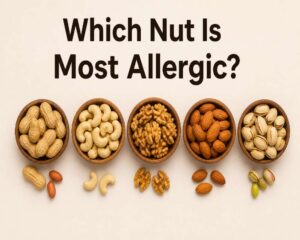
Table of contents
- Introduction
- 🔍 What Is a Nut Allergy?
- 🥇 Which Nut Is Most Allergic?
- 📊 Why Are These Nuts More Allergenic?
- ⚠️ Symptoms of Nut Allergy
- 👶 Who Is at Risk?
- 🔁 Cross-Reactivity Between Nuts
- 📊 Prevalence of Nut Allergies
- 🛡️Managing Allergies to Nuts
- 🏥 When to See a Doctor
- Conclusion
- ❓ Frequently Asked Questions (FAQ) – Which Nut Is Most Allergic?
Introduction
One of the most prevalent and possibly dangerous food allergies worldwide, affecting both children and adults, is nut allergy. Peanuts are often classified with nuts, even though they are actually a legume. Tree nuts, like almonds, cashews, and walnuts, are among the most allergenic of all nuts.
According to research and clinical findings, peanuts and cashews are among the most allergenic foods and have a high probability of triggering anaphylaxis and other serious reactions. Due to its high sensitivity and prevalence in foods, peanut allergy is one of the main causes of food-related allergic emergencies. Additionally, walnut and cashew allergies are known to cause potent immune reactions even when exposure is low.
When the immune system misidentifies proteins found in nuts as harmful, it causes symptoms such as itching, swelling, hives, trouble breathing, and, in extreme cases, life-threatening reactions, which is known as a nut allergy. Raising awareness, identifying them early, and implementing avoidance measures are all crucial due to the increase in the prevalence of these allergies worldwide.
Knowing which nuts are the most allergenic can help people be proactive, pay attention to food labels, and avoid unintentional exposure. Particularly important for children and those with a history of allergies or asthma.
🔍 What Is a Nut Allergy?
A nut allergy occurs when the immune system mistakenly identifies proteins in nuts as harmful substances. This triggers an allergic reaction that can range from mild symptoms like itching to severe, life-threatening conditions such as anaphylaxis.
🥇 Which Nut Is Most Allergic?
The most allergenic nut is generally considered to be Peanuts, even though it is technically a legume. It is grouped with nuts due to its similar allergic potential and widespread consumption.
⚠️ Highly Allergenic Nuts Include:
Peanuts – Most common and severe allergy
Cashews – Strong reactions, even in small amounts
Walnuts – High cross-reactivity
Pistachios – Often linked with cashew allergy
Almonds – Less severe but still significant
👉 Among tree nuts, cashews and walnuts are considered the most allergenic.
📊 Why Are These Nuts More Allergenic?
Certain nuts contain proteins that are:
- Highly resistant to heat and digestion
- Easily recognized by the immune system as harmful
- Capable of triggering strong IgE-mediated reactions
This makes them more likely to cause severe allergic responses compared to other foods.
⚠️ Symptoms of Nut Allergy
Symptoms can appear within minutes to hours after consumption:
Mild to Moderate:
- Itching in mouth or throat
- Hives or skin rash
- Swelling of lips, face, or eyes
- Stomach pain or vomiting
Severe (Anaphylaxis):
- Difficulty breathing
- Drop in blood pressure
- Loss of consciousness
- Severe throat swelling
🚨 Anaphylaxis is a medical emergency and requires immediate treatment.
👶 Who Is at Risk?
- Children (most common group)
- Individuals with family history of allergies
- People with asthma or eczema
- Those allergic to one type of nut (risk of cross-reactivity)
🔁 Cross-Reactivity Between Nuts
People allergic to one nut may also react to others due to similar protein structures.
For example:
Cashews ↔ Pistachios
Walnuts ↔ Pecans
👉 This is why doctors often recommend avoiding multiple nuts.
📊 Prevalence of Nut Allergies
Nut allergies are increasingly common across the globe:
- 🌍 Affect approximately 1–3% of the global population
- 👶 More common in children, but often persist into adulthood
- ⚠️ Peanuts allergy is the most prevalent food allergy in many countries
- 🥜 Tree nut allergies (especially Cashews and Walnuts) are known for severe and persistent reactions
📈 Why Are Nut Allergies Increasing?
- Changes in diet and lifestyle
- Reduced early exposure in some populations
- Genetic predisposition
- Environmental factors
🛡️Managing Allergies to Nuts
A successful management plan prioritizes prevention, education, and emergency preparedness.
1. Severe Avoidance
- Avoid allergenic nuts and goods that include them at all costs.
- Read food labels thoroughly.
- In restaurants, be careful about cross-contamination.
2. Early diagnosis
- Testing for allergies (skin prick test or blood test)
- Speak to an allergist.
- Identification of particular trigger nuts
3. Planning for emergencies
- If prescribed, bring an epinephrine auto-injector.
- Know how to spot early warning signs
- Notify relatives, instructors, and caregivers
4. Understanding Nutrition
- Use safer alternatives to nuts.
- Keep your diet well-balanced and free of allergens.
5. Medical follow-up
- Routine examinations
- Keep an eye out for the possibility of tolerance developing (particularly in children).
🏥 When to See a Doctor
- First-time allergic reaction
- Severe symptoms or breathing difficulty
- Uncertain diagnosis
- Need for emergency medication
Conclusion
In conclusion, peanuts and some tree nuts such as cashews and walnuts are regarded as the most allergenic and most likely to induce severe symptoms, even though other nuts can also cause allergic reactions. Peanuts are still the most frequent cause of nut allergies worldwide, closely followed by cashews and walnuts, which are known for their strong allergenic capacity.
Medical evaluation is necessary, although not everyone with a nut allergy will respond to all nuts. Cross-reactivity is common. Careful dietary awareness, strict avoidance, and carrying emergency medication like epinephrine (if prescribed) are essential for managing nut allergies safely.
In general, recognizing high-risk nuts and comprehending their consequences may greatly lower the likelihood of severe allergic responses and enhance the quality of life for those who are afflicted.
❓ Frequently Asked Questions (FAQ) – Which Nut Is Most Allergic?
Q1.What nut is the worst allergen?
Peanuts are the most common and worst nut allergy, followed by tree nuts such as Walnuts and Cashews. These are well-known for causing severe allergic responses.
Q2.Is a peanut allergy regarded as a nut allergy?
Peanuts are legumes rather than real nuts, in the strictest sense. Nevertheless, they are classified under “nut allergies” due to the similar and frequently severe allergic responses they elicit.
Q3.Which tree nuts cause the most allergies?
Among the tree nuts that cause the most allergies are:
- Cashews
- Walnuts
- Pistachios
These are more likely to result in moderate to severe allergic reactions.
Q4. Is it possible for someone to have an allergy to just one kind of nut?
Yes, one might be allergic to only one nut, such as almonds. But since cross-reactivity is prevalent, doctors frequently recommend staying away from many different nuts.
Q5. What are the indicators of nut allergy?
Some common symptoms include:
- hives or itching
- facial, lip, or throat edema
- Breathlessness
- abdominal discomfort or vomiting
Significant situations include anaphylaxis, which is a medical emergency.
Q6. What kind of nut allergy is the most harmful?
Any nut allergy can be dangerous, but peanuts and cashews are the most frequently associated with severe and potentially fatal responses.
Q7.Is it possible for a nut allergy to disappear with time?
While some youngsters may overcome their peanut allergies, many instances persist into adulthood. It is essential to get routine medical checkups.
Q8. What are the ways to control nut allergies?
Management encompasses:
- Allergenic nuts should be avoided at all costs.
- paying close attention to food labels
- Keeping emergency medicines with you, such as epinephrine if prescribed.
- Consulting a professional in allergies
Q9. Is roasted nuts less allergenic?
No, allergens are not eliminated by roasting. It may even make things more allergenic in certain instances.
Q10. When should I consult a physician?
If: get medical advice.
- Eating nuts causes you to have allergic reactions.
- You have trouble breathing.
- Severe reactions have occurred throughout history
⚠️ Medical Disclaimer
The information provided in this article is for educational and informational purposes only and is not intended as a substitute for professional medical advice, diagnosis, or treatment. Always seek the guidance of a qualified healthcare provider or specialist with any questions you may have regarding a medical condition or allergy.
Do not ignore or delay seeking medical advice because of something you have read here. If you suspect a serious allergic reaction (such as difficulty breathing, swelling of the face or throat, or anaphylaxis), seek immediate emergency medical care.
Individual health conditions vary, and what works for one person may not be suitable for another. Always consult your doctor before making any changes to your diet, medication, or treatment plan.
👉 YouTube Channel:
http://www.youtube.com/@healthuseful8539/
📞 ENT Consultation & Surgery
Dr. Sagar Rajkuwar (MS-ENT)
Prabha ENT Clinic, Ambad, Nashik
📱 7387590194 | 9892596635
🌐 www.entspecialistinnashik.com
📲 For Health-Related Articles & Videos
🔹 Facebook: https://www.facebook.com/positivemind.healthcare
🔹 YouTube: http://www.youtube.com/@healthuseful8539/