How to Stop Polyp Growth? (Complete Doctor Guide for Prevention, Treatment & Recurrence Control)
Polyps are abnormal tissue growths that can develop in different parts of the body, including the nose, colon, uterus, and stomach. While most polyps are benign (non-cancerous), some types can grow over time and may lead to complications if left untreated.
Author: Dr. Sagar Rajkuwar (MS ENT), ENT Specialist, Nashik, India
🌐 www.entspecialistinnashik.com
A very common concern among patients is:
👉 “How can I stop polyp growth and prevent them from coming back?”
The answer involves a combination of medical treatment, lifestyle changes, and regular monitoring. In this , we will cover everything you need to know about preventing and managing polyps effectively.
📌 Table of Contents
- What Are Polyps?
- Types of Polyps
- Why Do Polyps Grow?
- Can Polyps Be Prevented?
- How to Stop Polyp Growth Naturally
- Medical Treatments to Stop Polyp Growth
- Treatment Based on Polyp Type
- How to Prevent Recurrence of Polyps
- Diet Plan to Control Polyp Growth
- Lifestyle Changes That Help
- Role of Exercise and Weight Management
- Smoking and Alcohol Impact
- When to See a Doctor
- Frequently Asked Questions
- Conclusion
What Are Polyps?
Polyps are small growths that arise from the lining of organs such as the nose, colon, uterus, or stomach.
They may be:
- Flat or mushroom-shaped
- Small or large
- Single or multiple
Most polyps are harmless, but some types may turn cancerous over time.
Types of Polyps
Understanding the type of polyp is crucial for proper treatment.
1. Nasal Polyps
- Found in nasal passages or sinuses
- Caused by chronic inflammation
- Common in allergy and sinus patients
2. Colon Polyps
- Develop in large intestine
- Some types may become cancerous
3. Uterine Polyps
- Occur in the lining of uterus
- May cause abnormal bleeding
4. Gastric Polyps
- Found in stomach
- Often detected during endoscopy
Why Do Polyps Grow?
Polyps usually develop due to chronic irritation or abnormal cell growth.
Common Causes:
- Chronic inflammation
- Genetic mutations
- Hormonal imbalance
- Allergies
- Infections
- Poor diet
Some polyps, especially colon polyps, may have a higher risk of cancer if not treated early.
📞 ENT Consultation & Surgery
Dr. Sagar Rajkuwar (MS-ENT)
Prabha ENT Clinic, Ambad, Nashik
📱 7387590194 | 9892596635
🌐 www.entspecialistinnashik.com
Can Polyps Be Prevented?
There is no guaranteed way to completely prevent polyps. However, you can significantly reduce their growth and recurrence with proper care.
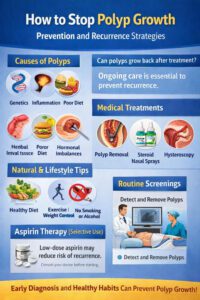
How to Stop Polyp Growth Naturally
Natural methods play an important role in controlling polyp growth.
1. Anti-Inflammatory Diet
A healthy diet reduces inflammation and supports the immune system.
Include:
- Fruits and vegetables
- Whole grains
- Nuts and seeds
- Fiber-rich foods
Avoid:
- Processed foods
- Red meat
- Sugary foods
2. Increase Vitamin D and Calcium Intake
Foods like:
- Fish (salmon, tuna, sardines)
- Dairy products
may help reduce the risk of colon polyps.
3. Stay Hydrated
Proper hydration helps maintain mucosal health and reduces irritation.
Medical Treatments to Stop Polyp Growth
Medical treatment depends on the type and size of the polyp.
1. Corticosteroids
For Nasal Polyps, nasal steroid sprays are the first-line treatment.
Common options include:
- Fluticasone
- Budesonide
- Mometasone
These reduce inflammation and shrink polyps.
2. Oral Medications
Doctors may prescribe:
- Oral steroids
- Antihistamines
- Antibiotics (if infection present)
3. Aspirin Therapy (Selective Use)
Low-dose aspirin may help prevent recurrence of certain Colon Polyps.
⚠️ Always consult a doctor before starting aspirin due to risk of bleeding.
Treatment Based on Polyp Type
Colon Polyps
Colonoscopy
- Polyps are removed using a snare or hot forceps
- This procedure is called polypectomy
- Helps prevent cancer development
Nasal Polyps
Medical Treatment
- Steroid nasal sprays
- Oral steroids
Surgical Treatment
👉 Endoscopic Sinus Surgery
- Removes polyps
- Improves airflow
- Reduces symptoms
Uterine Polyps
Hysteroscopy
- Used for diagnosis and removal
- Hormonal therapy may be used in some cases
How to Prevent Recurrence of Polyps
Polyps often tend to come back after treatment, especially nasal polyps.
Prevention Strategies:
- Continue prescribed medications
- Regular follow-ups
- Control underlying conditions (allergy, asthma)
- Maintain nasal hygiene
Diet Plan to Control Polyp Growth
A well-balanced diet is essential.
Recommended Foods:
- Green leafy vegetables
- Fruits rich in antioxidants
- Whole grains
- Omega-3 rich fish
Foods to Avoid:
- Fried foods
- Processed meats
- High sugar diet
Lifestyle Changes That Help
Healthy lifestyle plays a major role.
1. Maintain Healthy Weight
Obesity increases inflammation and risk of polyp growth.
2. Regular Physical Activity
Exercise improves:
- Immunity
- Blood circulation
- Hormonal balance
3. Avoid Smoking
Smoking irritates tissues and promotes polyp growth.
4. Limit Alcohol
Alcohol increases inflammation and may worsen symptoms.
Role of Exercise and Weight Management
Regular exercise helps:
- Reduce inflammation
- Improve metabolism
- Maintain weight
Aim for 30 minutes daily activity.
Smoking and Alcohol Impact
Both smoking and alcohol:
- Increase inflammation
- Delay healing
- Raise risk of recurrence
Quitting these habits significantly improves outcomes.
When to See a Doctor
Seek medical attention if you experience:
- Persistent symptoms
- Bleeding
- Difficulty breathing
- Unexplained weight loss
- Recurring infections
Early diagnosis improves treatment success.
Frequently Asked Questions
Can polyps disappear on their own?
Some small polyps may shrink, but most require treatment.
Are all polyps cancerous?
No, most are benign, but some can become cancerous over time.
Can polyps come back after surgery?
Yes, recurrence is common, especially in nasal polyps.
Is surgery always necessary?
No, many polyps can be managed with medication.
Conclusion
Stopping polyp growth requires a multi-step approach that includes:
- Medical treatment
- Healthy diet
- Lifestyle changes
- Regular screening
While polyps may not always be preventable, early detection and proper management can significantly reduce complications and improve quality of life.
👉 Key Takeaways:
- Treat inflammation early
- Follow doctor’s advice
- Maintain healthy lifestyle
- Do regular check-ups
With the right approach, you can control polyp growth and prevent recurrence effectively.
Medical Disclaimer
This article is for educational purposes only and does not replace professional medical advice. Always consult a qualified healthcare provider before starting any treatment.