Can a Sinus Infection Cause Hair Loss? Understanding the Connection, Causes & Treatment
Sinus infections are very prevalent, particularly in India, where pollution, allergies, and seasonal changes frequently cause sinus flare-ups. Although symptoms like facial pain, nasal congestion, headache, and postnasal discharge are common, many individuals are shocked to lose their hair during or after a sinus infection.
However, is hair loss really caused by a sinus infection?
Yes, but not directly, is the quick response.
A sinus infection doesn’t directly cause hair loss, but it does initiate a number of biological and physical changes in the body that result in transient or persistent hair shedding.
This in-depth piece discusses the relationship between sinus infections and hair loss, the underlying science, warning signs to look out for, and practical remedies you can implement right away.
By ENT Specialist – Dr. Sagar Rajkuwar, Nashik, Maharashtra, India
Clinic Website:www.entspecialistinnashik.com
Table of Contents
- 1. Comprehending Sinus Infection (Sinusitis)
- 2. Does Hair Loss Result From Sinus Infections?
- 3. How Sinus Problems Lead to Hair Loss – 8 Possible Mechanisms
- 4. Signs That Your Hair Loss Is Caused by a Sinus Infection
- 5. Who is more vulnerable?
- 6. How long does hair loss last?
- 7. Therapy: Preventing Hair Loss Due to Sinus Infections
- 8. When to Seek Advice from an ENT Expert
- 9. Avoiding Hair Loss Associated with Sinus Problems in the Future
- 10. Summary
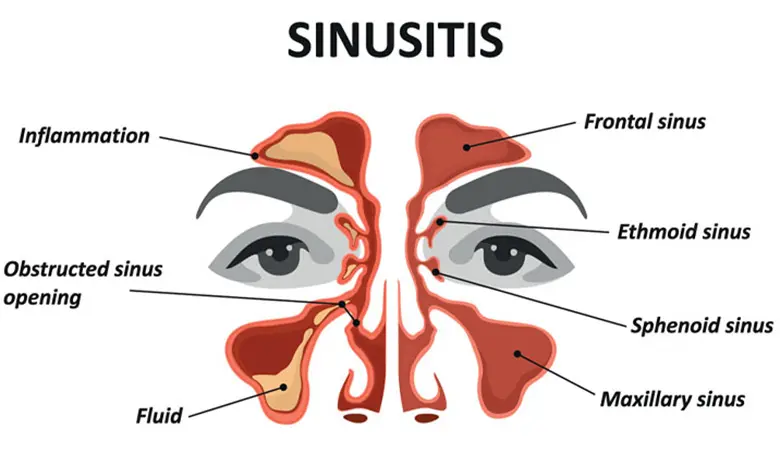
1. Comprehending Sinus Infection (Sinusitis)
When the air-filled spaces surrounding the face (sinuses) become inflamed or infected, sinusitis develops as a result of:
- viral illnesses
- infections caused by bacteria
- allergies
- Polyps in the nose
- Septum deviation
- Pollution and irritants
The result of this is symptoms such as:
- Obstruction of the nose
- dense mucus
- Pressure on the face
- less odor
- Headache
- Fever
- Exhaustion
Although these symptoms are centered on the respiratory system, sinus-related inflammation can impact several other bodily systems, such as hair development.
2. Does Hair Loss Result From Sinus Infections?
Yes. Temporary hair loss can result from a sinus infection, particularly if it is chronic or accompanied by significant inflammation, stress, or a compromised immune system.
But:
- It doesn’t cause any direct harm to hair follicles.
- In most cases, the hair loss may be reversed after the sinus problem is addressed.
Sinusitis causes the hair to fall out because it causes internal changes that disrupt the regular hair growth cycle, such as stress, inflammation, insufficient oxygen intake, and nutrient deficiency.
3. How Sinus Problems Lead to Hair Loss – 8 Possible Mechanisms
The primary indirect causes of hair loss due to sinus infections are listed below.
3.1 Persistent Inflammation
Inflammatory chemicals are released into the bloodstream as a result of a sinus infection, causing inflammation throughout the body. These substances have the potential to:
- Impact the hair follicles
- Reduce the amount of time spent in the anagen phase of hair development.
- cause extreme hair loss (telogen effluvium)
Persistent sinus infections, especially untreated ones, maintain the body in a continuous inflammatory condition, which results in noticeable hair thinning.
3.2 Extreme Levels of Stress
Fatigue, facial discomfort, poor sleep, and bodily pain are all symptoms of sinus infections. This raises the body’s cortisol levels, which has a direct impact on hair follicles.
Cortisol levels that are high can:
- Move hair from its growth phase to its shedding phase.
- lower the amount of collagen produced
- Trigger telogen effluvium (stress-induced hair loss)
During stressful sinus flare-ups, a lot of patients experience increased hair loss.
3.3 Insufficient Nutrition
The following symptoms are common in individuals with sinus infections:
- A decrease in appetite
- Inadequate nutrient absorption
- Insufficient intake of protein, vitamin D, zinc, or iron
Because the body puts healing the infection ahead of promoting hair growth, there is obvious thinning.
3.4 Decreased Blood Supply to Hair Follicles
Oxygenation and blood flow might be impacted by persistent sinus inflammation.
if there is less blood flowing to the scalp:
- Hair fibers get brittle
- The size of hair follicles decreases.
- The telogen phase, when hair is at rest, begins too soon.
- This results in an abrupt loss of hair.
3.5 Drugs Used to Treat Sinus Infections
Some drugs used to treat sinusitis can cause hair loss, including:
Antibiotics: disrupts intestinal flora, which results in less vitamin absorption
Steroids: modify hormone balance
Antihistamines – induce stress and dryness on the scalp
Although it’s not frequent, prolonged medication usage can indirectly affect hair health.
3.6 Disruptions to sleep
A common symptom of sinus infections is:
- breathing via the mouth
- Snoring
- disrupted sleep
- Symptoms resembling those of sleep apnea
Hormonal imbalance and stress are linked to poor sleep, both of which hasten hair loss.
3.7 Autoimmune Triggers
Autoimmune changes may be brought on by chronic infections in certain individuals, which can lead to patterns like:
- Areata alopecia
- Scalp inflammatory disorders
- These occurrences, while infrequent, need specialized treatment.
3.8 Extreme fever and illness shock
Sinus infections, especially those caused by bacteria, frequently result in:
- A high temperature
- Weakness
- Extreme tiredness
Extreme physical strain can stun the hair development cycle, causing massive hair loss two to three months afterward.
This is an example of telogen effluvium.
4. Signs That Your Hair Loss Is Caused by a Sinus Infection
Look for these indicators:
- Hair loss starts one to three months after a sinus flare-up.
- More shedding in place of bald spots
- Combing or washing your hair causes it to fall out more often.
- Sinusitis symptoms, such nasal congestion, headaches, and postnasal discharge, continue to occur.
- The hair feels thinner or weaker
- There is no notable family history of hair loss.
- There are issues with sleep and stress.
Sinus infection is probably a factor in hair loss if these circumstances apply to you.
5. Who is more vulnerable?
If you have any of the following, you may be more likely to lose your hair due to sinus problems:
- Long-term sinusitis
- Rhinitis due to allergies
- low resistance to infection
- Iron or vitamin D shortage
- intense anxiety or stress
- bad sleep
- Hormone imbalance
- bad diet
- A History of Telogen Effluvium
Stress and inflammation-related hair loss are more common in women.
6. How long does hair loss last?
The hair loss is typically just momentary.
- Hair fall might last two to three months if the sinus infection is severe.
- Chronic sinusitis may result in prolonged shedding.
- Full regrowth typically takes 6–9 months.
After the underlying inflammation subsides, hair regrows.
7. Therapy: Preventing Hair Loss Due to Sinus Infections
Treating the sinus infection as well as the hair’s health is necessary in order to stop hair loss.
7.1 Prioritize treating the sinus infection
✔Inhale steam two to three times a day.
Aids in reducing inflammation and clearing mucus.
✔Irrigating the nose with saline solution
Lowers the burden of sinus blockage and infection.
✔Treat allergies
If necessary, use nasal sprays or antihistamines.
✔Antibiotics (if there is a bacterial infection)
Only with a physician’s prescription.
✔ Home cures and Ayurveda
- Honey and ginger
- Turmeric milk that is warm
- Steam of cloves
✔Fix structural problems
An ENT assessment may be necessary if you have nasal polyps or a deviated septum.
7.2 Encourage Natural Hair Growth
✔Increase protein consumption.
Lentils, tofu, leafy greens, eggs.
✔Take care of any vitamin deficiencies.
In particular:
- Iron
- D vitamin
- Vitamin B12
- Omega-3
✔Hydrate thoroughly
It helps lessen inflammation.
✔Massaging the scalp
Enhances circulation.
7.3 Treatments for Medical Hair
When there is a lot of hair loss:
- Minoxidil 2% or 5%
- Supplements containing biotin
- treatment with PRP
- Low-level laser treatment
These should only be taken under a doctor’s supervision.
7.4 Control Stress
- Yoga
- Exercises for the breath
- Meditation
- Outside strolls
- raising the standard of sleep
Hormones are rebalanced through stress management.
8. When to Seek Advice from an ENT Expert
If: get medical attention
- A sinus infection lasts longer than 10 days.
- You have recurring sinus infections
- The loss of hair is either dramatic or rapid.
- You have bald spots
- You experience severe headaches, facial edema, or vision problems.
- Symptoms are not getting better with home cures
Chronic inflammation and increased hair loss can result from untreated sinus infections.
9. Avoiding Hair Loss Associated with Sinus Problems in the Future
Use these preventative strategies:
✔Keep your nose clean.
Steam inhalation or routine saline sprays.
✔ Boost immunity
Get enough sleep, eat fruits, and refrain from smoking.
✔Treat allergies early.
Prevents sinus flare-ups.
✔Make sure to stay away from pollution.
Use masks as necessary.
✔Maintain a sufficient amount of water in your body.
Maintains thin mucus and promotes hair growth.
✔Manage stress
Lessens hormonal imbalance.
10. Summary
Temporary hair loss may occur as a result of a sinus infection, but not immediately.
Hair loss is caused by a combination of inflammation, stress, poor sleep, nutrient deficiency, and reduced blood flow in the body.
The good news is that after the sinus infection is treated and general health improves, hair grows back.
Take care of your sinus problems early, live a healthy lifestyle, and feed your hair with the right nutrients. The majority of patients make a complete recovery in a matter of months.
Medical Disclaimer
Some patients rely solely on internet information and attempt self-treatment, which can lead to serious or catastrophic consequences. This article is meant to educate and improve understanding, not replace professional medical consultation.
Having prior knowledge helps patients cooperate better with treatment, as treating physicians often have limited time to explain every detail. Always consult a qualified ENT specialist for diagnosis and treatment decisions.
Does sinus cause Hairfall?
Atopic conditions, including sinusitis, asthma, rhinitis, and particularly atopic dermatitis, are also found to be more prevalent than anticipated in groups with alopecia areata43, and are linked to earlier onset and more severe types of hair loss.
What kind of infection makes your hair fall out?
Folliculitis Decalvans. Staphylococcus aureus bacteria can lead to folliculitis decalvans, a disorder that results in baldness accompanied by scarring (cicatricial alopecia). The presence of inflammation and bacteria within hair follicles leads to the development of pustules. Ultimately, hair follicles perish, hindering the growth of new hair and resulting in circular areas of baldness.
What vitamin deficiency causes sinus infections?
Vitamin D deficiency has been associated with an increase in the occurrence of viral upper respiratory infections, allergic rhinitis, chronic sinusitis, nasal polyps, and asthma. 3,4,5,6 Research has also indicated that vitamin D supplementation results in a reduction of the frequency of winter respiratory infections and asthma flare-ups.
Can sinus infections spread to the scalp?
Sinusitis that complicates to involve the eye, neck, and scalp is an uncommon but theoretically feasible complication.
Why am I suddenly having hair fall?
Hair loss can happen for various potential reasons, including hormonal fluctuations, stress, medications, and specific health conditions.
Hormonal changes
Pregnancy, childbirth, and menopause can trigger hormonal fluctuations that result in hair loss.
Thyroid disorders, like hypothyroidism or hyperthyroidism, can lead to hair loss.
Stress
Stressful situations, such as surgery, divorce, or the death of a loved one, can lead to hair loss.
Hair loss related to stress is generally temporary and ceases after 6 to 9 months.
Medications
Certain medications, including those for cancer, arthritis, depression, and high blood pressure, can result in hair loss.
Some supplements, like excessive amounts of vitamin A, can result in hair loss.
Other causes
Nutritional deficiencies, particularly of iron or protein.
Genetic hair loss.
- Hairstyles that place tension on the hair, such as braids or ponytails.
- Chemical treatments for hair, such as perms and bleach.
- Fungal infections of the scalp, like ringworm.
- Autoimmune disorders, such as lupus.
- A hair-pulling disorder known as trichotillomania.
Treatment
The most effective method to address stress-related hair loss is to control stress.
What deficiency causes hair fall?
Deficiencies in nutrients such as vitamin D, zinc, iron, biotin, vitamin A, vitamin C, and vitamin B12 can result in hair loss. Caloric restriction may also contribute to hair loss.
Nutrient deficiencies that lead to hair loss
- Vitamin D: Low levels of vitamin D may result in alopecia areata, an autoimmune condition that leads to patchy hair loss.
- Zinc: Insufficient zinc levels might be associated with hair loss issues like alopecia areata.
- Iron: A lack of iron can result in hair loss, brittle nails, and exhaustion.
- Vitamin A: A deficiency in vitamin A can lead to a dry and flaky scalp, which may impede healthy hair growth.
- Biotin: A deficiency in biotin can lead to hair thinning and a rash on the face.
- Vitamin C: A lack of vitamin C can result in low iron levels, potentially slowing hair growth and causing hair loss.
- Vitamin B12: Insufficient amounts of this vitamin can result in hair loss. Vegetarians or vegans who do not eat enough animal-based products are often at risk for B12 deficiency.
- Other causes of hair loss: Caloric restriction and protein restriction.
How to know if hair follicles are dead?
It is challenging to ascertain if hair follicles are dead without a medical assessment. Nevertheless, you can observe signs of compromised hair follicles, such as:
- Excessive shedding: Losing more than 50 to 100 hairs daily
- Alterations in hair texture: Hair that appears dry, brittle, or oily
- Premature graying: Hair that has lost its capacity to generate pigment
- Itching: Irritated bumps or pustules surrounding hair follicles
- Unmanageable hair: Hair that is knotted or devoid of luster
Causes of compromised hair follicles:
Environmental influences like pollution, UV rays, and harsh chemicals
Insufficient hair care
- Remedies for compromised hair follicles
- A medical or surgical intervention advised by a healthcare professional
- Natural treatments including omega-3 fatty acids, scalp massages, and rosemary oil
- Reducing alcohol consumption and smoking
When to seek assistance
If you are losing more hair than is typical, you should reach out to a hair specialist.
Does drinking lots of water clear sinuses?
Consuming additional fluids aids in loosening your mucus. This allows it to flow from your sinuses with greater ease. Drink a glass of water every hour or two unless advised differently by your health care provider.
If any patient has any ENT -Ear nose throat problems and requires any , consultation ,online consultation ,or surgery in clinic of ENT specialist Doctor Dr Sagar Rajkuwar ,he may TAKE APPOINTMENT BY CLICKING ON THE LINK GIVEN BELOW-
Clinic address of ENT SPECIALIST doctor Dr Sagar Rajkuwar-
Prabha ENT clinic, plot no 345,Saigram colony, opposite Indoline furniture Ambad link road ,Ambad ,1 km from Pathardi phata Nashik ,422010 ,Maharashtra, India-Dr Sagar Rajkuwar (MS-ENT), Cel no- 7387590194 , 9892596635
Sinus effects on hair
Issues with the sinuses, such as sinusitis, can have a complicated connection to the health of one’s hair. Although sinus problems do not usually cause hair loss directly, they can indirectly lead to hair problems such as premature graying or thinning by the stress they induce and any associated health issues.

The Indirect Impact of Sinus Issues on Hair:
Worries about Stress and Mental Health:
Stress, worry, and mental concerns can accompany sinusitis and persistent sinus infections. These stressors may cause an increase in scalp tension, which may have an effect on hair development and nutrition, and which could contribute to early graying.
Diseases that are Atopic:
Alopecia areata, a kind of hair loss, increases the likelihood of atopic diseases like sinusitis. The existence of these illnesses might be linked to earlier and more severe forms of hair loss, even if they are not specifically brought on by sinusitis.
Basic Health Problems:
Other underlying medical conditions, such as sleep disruption or systemic inflammation, can occasionally be linked to sinus infections, and these can also indirectly impact hair health.
Particular Cases:
The Pilonidal Sinus
Hair follicles are frequently affected by pilonidal sinus disease, which can become inflamed and infected, particularly in the buttocks area. It’s a distinct ailment that may induce pain and discomfort, even though it’s not immediately connected to sinus infections in the nasal passages.
Wet Hair in Cold Weather:
According to Op. Dr. Sagar Rajkuwar having damp hair in cold weather may increase the risk of upper respiratory illnesses such as sinusitis.
In conclusion, sinus problems might indirectly affect hair health by inducing stress, being connected to other disorders like atopic diseases, and possibly exacerbating underlying health issues that might have an impact on hair growth and general well-being. Although stress and possible health effects don’t directly lead to hair loss, they can contribute to hair issues.
How to cure sinus permanently?
There is no lasting remedy for sinus infections, but various treatments can assist in alleviating symptoms. The treatments vary based on the origin of your sinusitis and your general health.
Treatments for sinus infections
- Nasal corticosteroids: Sprays that diminish swelling
- Saline nasal rinses: Rinsing with a neti pot or squeeze bottle can aid in clearing sinuses
- Antibiotics: May be beneficial if your infection is bacterial
- Antihistamines: May be helpful if allergies are triggering your symptoms
- Surgery: May be required to eliminate polyps, open sinuses, or correct a deviated septum
- Balloon sinuplasty: A procedure that expands sinus passages
- Oral steroids: May be given for serious or chronic sinusitis
Other treatments
- Allergy medications
- Aspirin desensitization treatment
- Injections of dupilumab, omalizumab, or mepolizumab to decrease the size of nasal polyps
- Addressing medical issues that might lead to chronic sinusitis, like asthma, hay fever, and dental infections
When to seek medical advice
If you have a fever or your symptoms are not improving, you ought to consult your doctor. A sinus infection can pose serious risks.
-FOR FURTHER INFORMATION IN GREAT DETAIL PL CLICK ON THE LINK GIVEN BELOW-It is always better to view links from laptop/desktop rather than mobile phone as they may not be seen from mobile phone. ,in case of technical difficulties you need to copy paste this link in google search. In case if you are viewing this blog from mobile phone you need to click on the three dots on the right upper corner of your mobile screen and ENABLE DESKTOP VERSION .
FOR INFORMATION IN GREAT DETAIL ON Does Sinus Affect Pregnancy? PL CLICK ON THE LINK GIVEN BELOW-It is always better to view links from laptop/desktop rather than mobile phone as they may not be seen from mobile phone. ,in case of technical difficulties you need to copy paste this link in google search. In case if you are viewing this blog from mobile phone you need to click on the three dots on the right upper corner of your mobile screen and ENABLE DESKTOP VERSION.
FOR INFORMATION IN GREAT DETAIL ON How To Get Rid Of A Sinus Infection In 24 Hours While Pregnant PL CLICK ON THE LINK GIVEN BELOW-It is always better to view links from laptop/desktop rather than mobile phone as they may not be seen from mobile phone. ,in case of technical difficulties you need to copy paste this link in google search. In case if you are viewing this blog from mobile phone you need to click on the three dots on the right upper corner of your mobile screen and ENABLE DESKTOP VERSION.
FOR INFORMATION IN GREAT DETAIL ON How to rid of a sinus infection headache PL CLICK ON THE LINK GIVEN BELOW-It is always better to view links from laptop/desktop rather than mobile phone as they may not be seen from mobile phone. ,in case of technical difficulties you need to copy paste this link in google search. In case if you are viewing this blog from mobile phone you need to click on the three dots on the right upper corner of your mobile screen and ENABLE DESKTOP VERSION.
FOR INFORMATION IN GREAT DETAIL ON How to get rid of a sinus infection in 24 hours PL CLICK ON THE LINK GIVEN BELOW-It is always better to view links from laptop/desktop rather than mobile phone as they may not be seen from mobile phone. ,in case of technical difficulties you need to copy paste this link in google search. In case if you are viewing this blog from mobile phone you need to click on the three dots on the right upper corner of your mobile screen and ENABLE DESKTOP VERSION.
FOR INFORMATION IN GREAT DETAIL ON What kills a sinus infection naturally? PL CLICK ON THE LINK GIVEN BELOW-It is always better to view links from laptop/desktop rather than mobile phone as they may not be seen from mobile phone. ,in case of technical difficulties you need to copy paste this link in google search. In case if you are viewing this blog from mobile phone you need to click on the three dots on the right upper corner of your mobile screen and ENABLE DESKTOP VERSION.
FOR INFORMATION IN GREAT DETAIL ON Is a sinus infection contagious with fever PL CLICK ON THE LINK GIVEN BELOW-It is always better to view links from laptop/desktop rather than mobile phone as they may not be seen from mobile phone. ,in case of technical difficulties you need to copy paste this link in google search. In case if you are viewing this blog from mobile phone you need to click on the three dots on the right upper corner of your mobile screen and ENABLE DESKTOP VERSION.
FOR INFORMATION IN GREAT DETAIL ON Is a Bacterial sinus infection contagious PL CLICK ON THE LINK GIVEN BELOW-It is always better to view links from laptop/desktop rather than mobile phone as they may not be seen from mobile phone. ,in case of technical difficulties you need to copy paste this link in google search. In case if you are viewing this blog from mobile phone you need to click on the three dots on the right upper corner of your mobile screen and ENABLE DESKTOP VERSION.
FOR INFORMATION IN GREAT DETAIL ON What is the strongest natural antibiotic for sinus infection? PL CLICK ON THE LINK GIVEN BELOW-It is always better to view links from laptop/desktop rather than mobile phone as they may not be seen from mobile phone. ,in case of technical difficulties you need to copy paste this link in google search. In case if you are viewing this blog from mobile phone you need to click on the three dots on the right upper corner of your mobile screen and ENABLE DESKTOP VERSION.
If Any Patient of ENT Requires Any Surgery, Opd Consultation Or Online Consultation In Clinic of ENT Specialist Doctor Dr. Sagar Rajkuwar ,He May Contact Him At The Following Address-
Prabha ENT Clinic, Plot no 345,Saigram Colony, Opposite Indoline Furniture Ambad Link Road ,Ambad ,1 km From Pathardi Phata Nashik ,422010 ,Maharashtra, India-Dr. Sagar Rajkuwar (MS-ENT), Cell No- 7387590194, 9892596635
Issued in public interest by-
www.entspecialistinnashik.com
Does sinus affect pregnancy-various aspects-
Does sinus have an impact on many aspects of pregnancy?
Although sinus infections themselves are unlikely to directly harm a developing fetus, the symptoms and potential consequences of a sinus infection during pregnancy can indirectly impact fetal development and maternal well-being, making it crucial to seek medical guidance and treat symptoms properly.

Maintaining a Healthy Sinus During Pregnancy
An illustration of how pregnancy affects the sinuses.
The following is a more thorough explanation:
Indirect Impacts on Fetal Development:
Maternal Health:
Prolonged maternal stress, pain, and sleep disruption caused by chronic or severe sinus problems can indirectly impact fetal development and cause unfavorable birth outcomes.
Congestion in the Nose:
Persistent nasal congestion, a typical symptom of sinus infections, has the potential to progressively lower oxygen levels, which could endanger the fetus’s growth and development, even though such complications are rare.
Rhinitis during pregnancy:
Hormonal changes during pregnancy might increase the likelihood of pregnancy-induced rhinitis (stuffy nose), which can exacerbate sinus problems.
Taking Care of Sinus Infections When Pregnant:
See a Physician: While pregnant, it’s important to discuss safe and effective treatment options for sinus infections with a doctor or healthcare provider.
Medications that are safe: Generally speaking, certain medicines, like acetaminophen (Tylenol), are considered safe for treating sinus infections during pregnancy for pain relief, while others, such decongestants, antihistamines, expectorants, and cough suppressants, should be discussed with a doctor before using.
Home remedies: Rest, warm compresses, and saline sprays are examples of at-home treatments that can alleviate sinus symptoms.
Hydration: Maintaining hydration is essential for thinning mucus and making it easier to eliminate.
Avoid irritants: Minimize exposure to allergens and irritants that may make sinus problems worse.
Raise Head: Having your head raised while resting can help relieve nasal congestion.
Get Expert Help: If your symptoms are severe or don’t get better, see a doctor.
For important health related topics please click on our facebook page link given below or copy paste this link into google search –
https://www.facebook.com/positivemind.healthcare
For important health related videos please click on the link of our youtube channel given below or copy paste this link into google search-
http://www.youtube.com/@healthuseful8539/
Summary
There are several unique symptoms of pregnancy. You could experience emotional and physical well-being on some days, but on others, you might not. Throughout their three trimesters, many women suffer from nausea, exhaustion, and back pain.
During these pregnancy symptoms, contracting a sinus infection can have a major impact on the body.
The following are ways to avoid and treat a sinus infection.
Pregnancy symptoms of a sinus infection
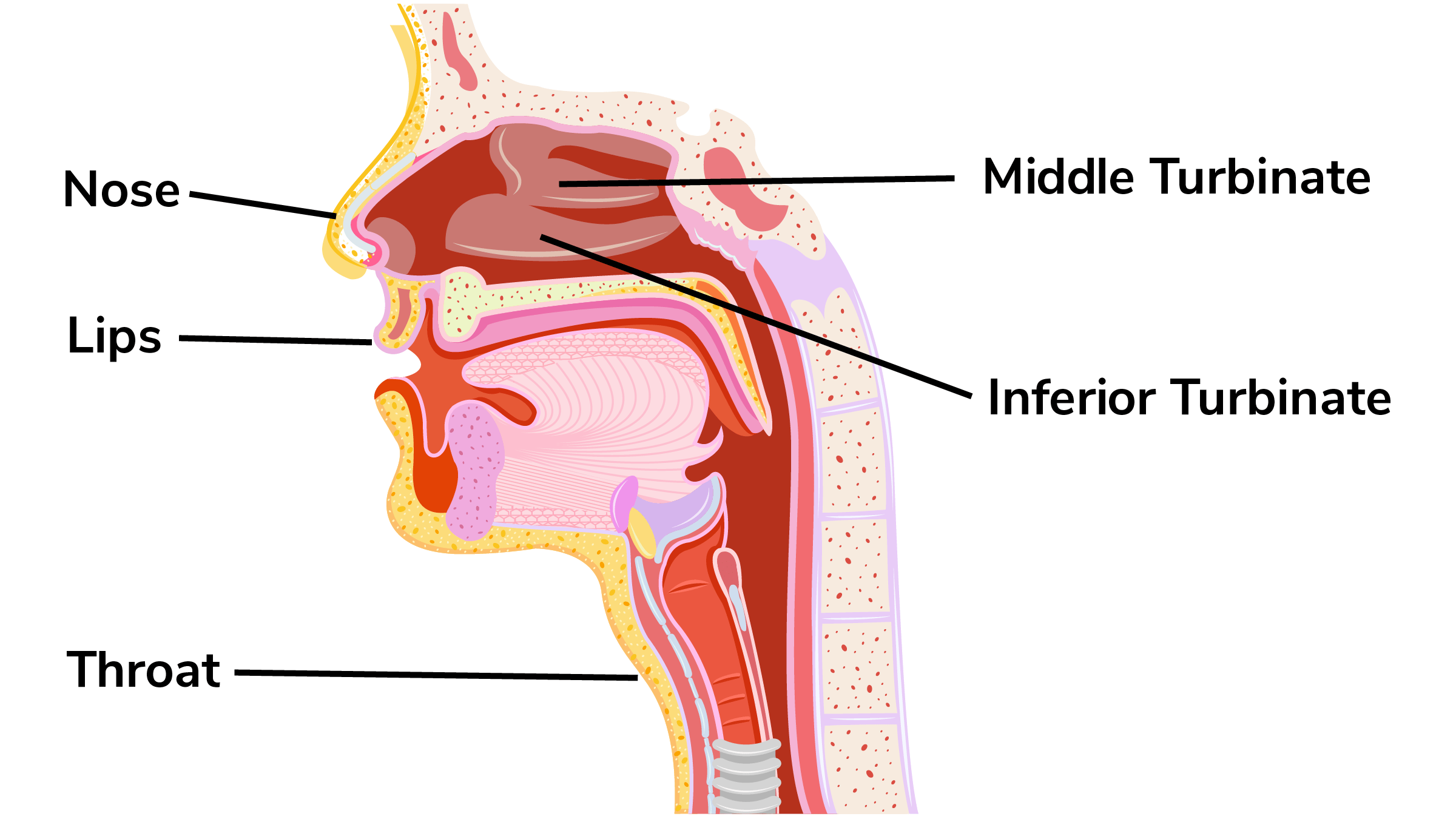
Any time during the first, second, or third trimester of pregnancy, sinusitis can occur. In this illness, there is inflammation and infection in the lining of the sinuses. Air-filled chambers surrounding the face and nose are known as sinuses.
The symptoms of a sinus infection can vary, but they may include:
- mucus discharge
- a congested nose
- around the face, there is discomfort and pressure.
- sore neck
- a headache
- temperature
- coughing
While the symptoms can be alarming, there are ways to manage and prevent a sinus illness during pregnancy.
What leads to a sinus infection?
The signs of a sinus infection might mimic those of other illnesses, such as allergies or the common cold. A severe illness can last for four weeks at most. Infections might last for more than 12 weeks if they become chronic. A viral, bacterial, or fungal infection can cause sinusitis during pregnancy.
A sinus infection can develop as a consequence of the common cold in certain circumstances. You are also more susceptible to sinus infections if you have allergies. The sinus cavities can be blocked by mucus in either situation, resulting in edema and inflammation. An infection might result from this.
The symptoms of a sinus infection are rather uncomfortable. Although pregnancy can exacerbate discomfort, there are methods for relief.
Dealing with a sinus infection during pregnancy
During pregnancy, you can be concerned about taking medicine for a sinus infection. It makes sense that you’re worried. The advantage is that some over-the-counter treatments are considered safe for usage during pregnancy.
Acetaminophen (Tylenol), for example, can help with a sinus headache and sore throat. Make sure to take the painkiller in accordance with the instructions.
Other medications may also be deemed safe to use during pregnancy. Before taking, talk to your doctor about:
- decongestants
- antihistamine
- cough expectorants
- cough remedies
During pregnancy, aspirin (Bayer) should not be taken. Likewise, avoid taking ibuprofen (Advil) unless under the supervision of a physician. Problems related to pregnancy, such as miscarriage and reduced amniotic fluid, have been linked to ibuprofen.
Contact your doctor if you have concerns about which medications are safe to take during pregnancy if you are treating a sinus infection.
At-home treatments for a sinus infection when pregnant
Symptoms of an illness can be lessened by drugs like decongestants, pain relievers, and cough suppressants. However, if you would rather avoid taking drugs while pregnant, you can use home remedies to manage your symptoms.
Upping your fluid intake can alleviate a painful throat, make mucus drainage easier, and unclog a blocked nose. The following fluids are recommended:
- water
- citrus beverages
- teas without caffeine
- broths
More home remedies to help with your sinus infection symptoms:
- You can make your own saline drops by combining 1 cup of warm water, 1/8 teaspoon of salt, and a pinch of baking soda, or you may get them from a drugstore.
- Use a humidifier at night to keep your nasal passages clear and your mucus thin.
- Raise your head by using several pillows to sleep. This keeps mucus from accumulating in your sinuses during the night.
- Use steam to help loosen mucus.
- Use throat lozenges or rinse with warm salt water to relieve a sore throat.
- Relax and take it easy. You may strengthen your immune system and fight the illness by getting adequate rest.
Applying a hot or cold compress to your forehead or gently massaging it might help alleviate the discomfort brought on by sinusitis-related facial pain or headaches. A hot bath may also help ease a sinus headache. Make sure the water isn’t too hot. When you’re pregnant, stay away from taking hot baths.
When should you visit your doctor?
With home care, a sinus infection may go away on its own. There are, however, occasions when you should seek medical advice.
Make an appointment with your physician if your symptoms worsen or do not get better with over-the-counter medicines or home treatments.
If your temperature is higher than 101°F (38°C) or if you start coughing up yellow or green sputum, contact your doctor right away. Furthermore, if you have frequent sinus infections, speak to your doctor.
Untreated severe sinus infections increase the likelihood of problems like meningitis. The term “meningitis” describes the inflammation of the membranes that surround the brain or spinal cord.
Without treatment, an infection might spread to other body parts, such as the skin, eyes, and bones. It can also have an impact on your sense of smell.
Pregnancy tests for a sinus infection
Your doctor may conduct a number of tests if you seek medical attention. They are as follows:
Endoscopy of the nose. To look at your sinuses, your doctor inserts a thin, flexible tube into your nose.
Imaging tests. To aid in making a diagnosis, your doctor may order a CT scan or an MRI to take pictures of your sinuses.
Depending on your specific circumstances, your doctor may also order a nasal and sinus culture to determine the underlying cause of your sinus infection. To see if allergies are causing your ongoing sinus infections, you may also undergo allergy testing.
It’s Do
Getting a sinus infection while pregnant is no fun, but there are steps you can take to lower your risk and avoid it.
Since these infections often follow the common cold, make every effort to avoid getting one. Keep contact with sick people to a minimum. Consider using a face mask to protect yourself against germs. In addition to washing your hands frequently, avoid touching your mouth and nose.
If you suffer from allergies, speak with your doctor about over-the-counter or prescription antihistamines that are safe for use during pregnancy. In addition, stay away from any situations that might trigger an allergy flare. Stay away from areas where there are overpowering fragrances or cigarette smoke. Stop using cleaning chemicals and perfumes with strong scents.
Using a humidifier to increase the humidity level in your house can also help lower your risk of a sinus infection since dry air slows sinus drainage.
DISCLAIMER-Some patients go to net and directly take treatment from there which can lead to catastrophic consequences-Then- Many people ask then why to read all this text -the reason is that it helps you to understand the pathology better ,you can cooperate with treatment better ,your treating physician is already busy with his patients and he does not have sufficient time to explain you all the things right from ABCD ,so it is always better to have some knowledge of the disease /disorder you are suffering from.
For important health related topics please click on our facebook page link given below or copy paste this link into google search –
https://www.facebook.com/positivemind.healthcare
For important health related videos please click on the link of our youtube channel given below or copy paste this link into google search-
http://www.youtube.com/@healthuseful8539/