Recurrent Leg Cramps Are “Not Normal”: Cardiologist Warns to Listen to Early Warning Signs
Leg cramps are often dismissed as a minor inconvenience caused by dehydration, fatigue, or standing too long. However, cardiologist Dmitry Yaranov warns that frequent leg cramps are not normal and may signal underlying health problems.
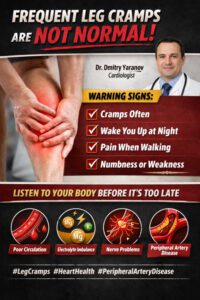
“Leg cramps aren’t normal, and they’re not always caused by dehydration alone. Your legs are attempting to communicate with you. Never disregard frequent cramps,” he emphasizes.
According to Dr. , the timing, triggers, and pattern of leg cramps can reveal important clues about circulation, nerve function, metabolic health, and hormonal balance.
What Are Leg Cramps?
Leg cramps are sudden, involuntary muscle contractions that typically affect:
- Calf muscles
- Thigh muscles
- Foot muscles
They may occur:
- During physical activity
- After prolonged standing
- While resting
- At night (night leg cramps)
While occasional cramps are common, recurrent leg cramps should not be ignored.
Why Frequent Leg Cramps Should Not Be Ignored
Many people assume cramps are simply due to dehydration. However, Dr. Yaranov explains that frequent cramps may indicate:
- Circulatory disorders
- Electrolyte imbalance
- Nerve compression
- Hormonal disorders
- Metabolic diseases
- Medication side effects
Your legs may be sending early warning signals about deeper health concerns.
Common Causes of Recurrent Leg Cramps
1️⃣ Peripheral Artery Disease (PAD)
Cramps that:
- Start during walking
- Improve with rest
- Occur repeatedly with activity
May signal Peripheral artery disease.
PAD occurs when leg arteries become narrowed or blocked, reducing blood flow. If untreated, it may threaten limb health.
“If your charley horse happens with activity, get examined.”
2️⃣ Venous Insufficiency
Symptoms may include:
- Night leg cramps
- Leg heaviness
- Swelling in the evening
- Visible bulging veins
When veins cannot efficiently return blood to the heart, fluid builds up, leading to discomfort and cramps.
3️⃣ Electrolyte Imbalance
Low levels of:
- Potassium
- Magnesium
- Calcium
- Sodium
These minerals regulate muscle contraction. When levels drop, muscles may “misfire,” causing painful spasms.
4️⃣ Muscle Overuse and Fatigue
Common triggers include:
- Strenuous workouts
- Long work shifts
- Prolonged standing
- Sudden increase in activity
Athletes and professionals who stand for long hours are especially vulnerable.
5️⃣ Dehydration
- Insufficient fluid intake
- Excessive sweating
- Vomiting or diarrhea
Fluid loss interferes with normal muscle function.
6️⃣ Nerve Compression
Back problems such as a pinched nerve or Sciatica may cause:
- Tingling
- Numbness
- Muscle weakness
Nerve-related cramps often occur with radiating pain from the lower back.
7️⃣ Medications That Cause Leg Cramps
Certain medications increase cramp risk:
- Diuretics
- Statins
- Some asthma medications
If cramps began after starting a new prescription, consult your doctor.
8️⃣ Hormonal and Metabolic Disorders
Underlying medical conditions that may cause frequent leg cramps include:
- Diabetes
- Thyroid disorders
- Kidney disease
- Liver disease
- Anaemia
- Vitamin D deficiency
These conditions affect muscle metabolism and circulation.
9️⃣ Pregnancy
Leg cramps are common in the second and third trimesters due to:
- Hormonal changes
- Increased pressure on nerves and blood vessels
- Electrolyte shifts
🔟 Night Leg Cramps (Idiopathic)
Many older adults experience nighttime cramps without a clear cause. While often harmless, persistent cases should still be evaluated.
Harmless vs Serious Leg Cramps
According to Jagdish Chattnalli, senior minimally invasive brain and spine surgeon at HCG Hospitals, occasional cramps after exertion or dehydration are usually harmless.
Usually Harmless Cramps:
- Occur after physical activity
- Short-lasting
- Improve with stretching
- No numbness or weakness
Concerning Symptoms:
Seek medical attention if cramps:
- Occur several times per week
- Interrupt sleep
- Persist for weeks
- Cause muscle weakness
- Are accompanied by numbness or tingling
- Cause swelling, redness, or warmth
- Lead to muscle wasting
Older adults and individuals with diabetes, thyroid disease, kidney issues, or vascular problems should be especially cautious.
When to See a Doctor for Frequent Leg Cramps
You should consult a healthcare professional if:
- Cramps are severe or frequent
- They interfere with daily life or sleep
- There are changes in skin color
- You notice swelling or warmth in the leg
- Pain occurs during walking and improves with rest
- Symptoms do not improve with hydration and stretching
Early evaluation can prevent serious complications.
Diagnostic Tests for Recurrent Leg Cramps
Doctors may recommend:
Blood Tests
- Electrolytes
- Kidney function
- Blood sugar levels
- Thyroid function
- Vitamin D levels
Nerve Testing
- Electromyography (EMG)
- Nerve conduction studies
Vascular Studies
- Doppler ultrasound
- Vascular imaging
These tests help identify whether the cause is muscular, neurological, metabolic, or circulatory.
Prevention Tips for Leg Cramps
- Stay well hydrated
- Stretch regularly
- Avoid prolonged sitting or standing
- Maintain proper nutrition
- Manage chronic conditions
- Review medications with your doctor
Key Takeaways
- ✔ Recurrent leg cramps are not “normal.”
- ✔ Activity-related cramps may indicate peripheral artery disease.
- ✔ Night cramps with swelling may suggest venous insufficiency.
- ✔ Numbness or weakness may signal nerve involvement.
- ✔ Persistent cramps require medical evaluation.
Your legs may be giving you an early warning. Listening early could prevent serious health complications.
📞 ENT Consultation & Surgery
Dr. Sagar Rajkuwar (MS-ENT)
Prabha ENT Clinic, Ambad, Nashik
📱 7387590194 | 9892596635
🌐 www.entspecialistinnashik.com
Medical Disclaimer
This article is for educational purposes only and does not substitute professional medical advice. If you experience frequent or severe leg cramps, consult a qualified healthcare provider for proper diagnosis and treatment.