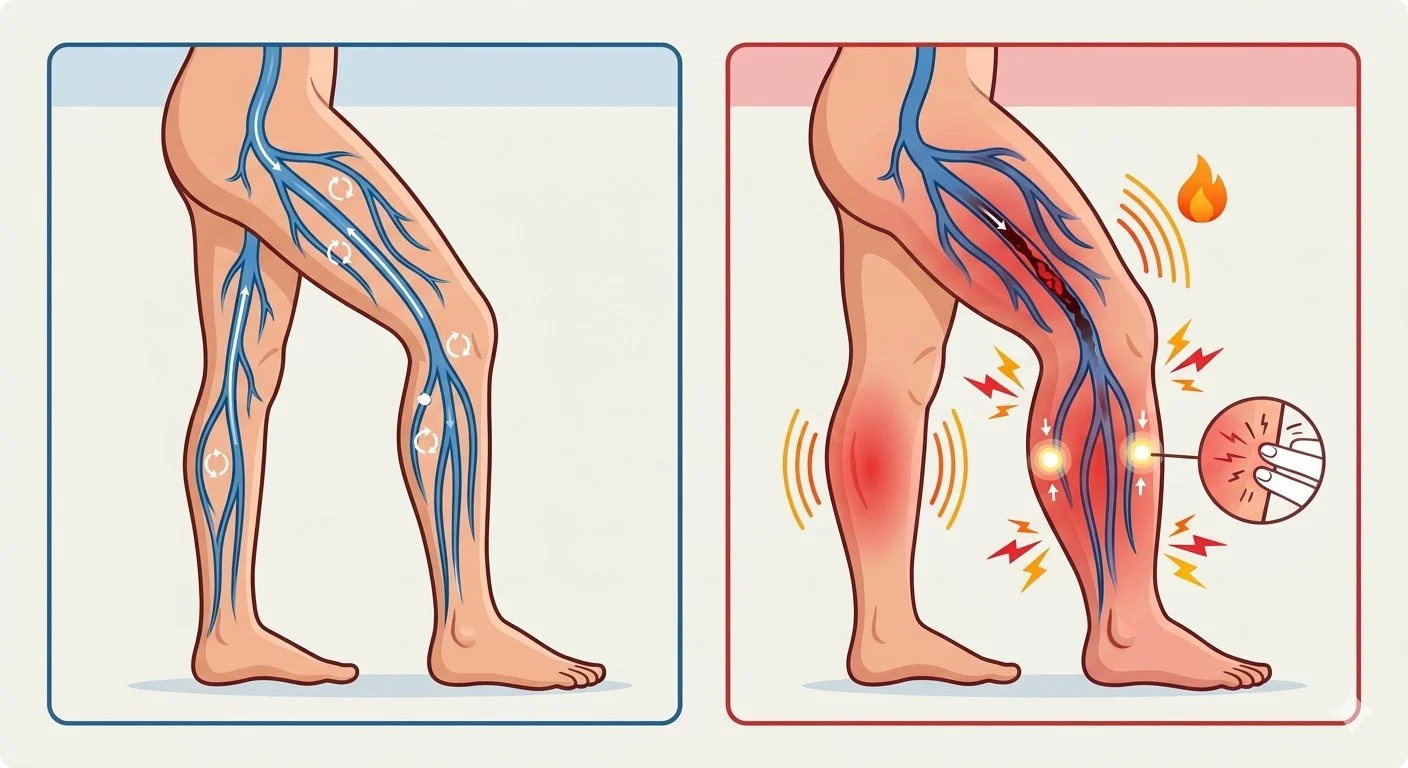
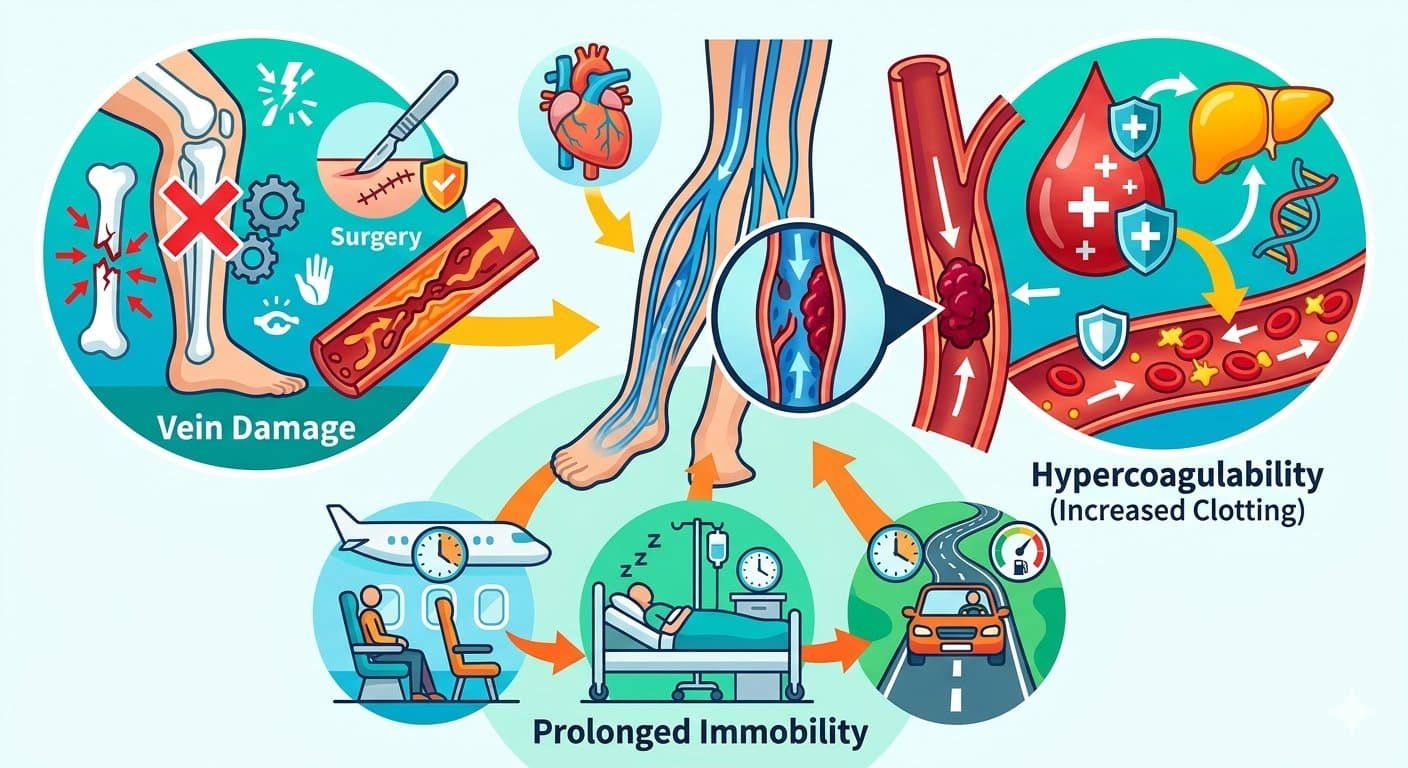
Treatment for DVT (Deep Vein Thrombosis): Medicines, Blood Thinners, Treatment Duration and Recovery-various aspects Article author: Dr. Sagar Rajkuwar, MS-ENT
Introduction
A diagnosis of deep vein thrombosis (DVT) can be frightening, particularly when patients learn that a blood clot in the leg may travel to the lungs and cause a potentially life-threatening complication called pulmonary embolism (PE). However, effective treatments are available. Most patients with confirmed DVT are treated with anticoagulant medications, commonly called blood thinners. These medicines prevent the existing clot from becoming larger, reduce the risk of additional clots and allow the body’s natural clot-dissolving mechanisms to gradually break down the clot. The treatment for DVT depends on several factors, including the location and extent of the clot, the patient’s age, kidney and liver function, bleeding risk, pregnancy status, cancer history and other medical conditions. Some patients require oral anticoagulant tablets, while others need injectable medications such as low-molecular-weight heparin (LMWH). Selected patients with extensive or limb-threatening thrombosis may require specialised procedures to remove or dissolve the clot. Another important consideration is treatment duration. Many patients require anticoagulation for at least three months, while others may need longer-term or indefinite treatment depending on the risk of recurrence. This comprehensive guide explains the different treatment options, commonly prescribed medicines, precautions, recovery measures, special situations and warning signs that every patient and caregiver should understand.
Table of Contents
- What is the main treatment for DVT?
- What are the goals of DVT treatment?
- Anticoagulant medicines used for DVT
- Injectable blood thinners
- Oral anticoagulant medications
- Warfarin treatment and INR monitoring
- How long does DVT treatment last?
- Treatment according to the location of the clot
- When is hospital admission necessary?
- Can DVT be treated without surgery?
- Thrombolytic therapy and clot removal procedures
- Inferior vena cava filters
- DVT treatment during pregnancy
- DVT treatment in patients with cancer
- DVT treatment in elderly patients
- What if DVT occurs despite taking blood thinners?
- Side effects and bleeding precautions
- Diet, exercise and lifestyle during recovery
- Can DVT be completely cured?
- How can recurrent DVT be prevented?
- Frequently asked questions
- Summary
- Conclusion
- Medical disclaimer
- References

1. What Is the Main Treatment for DVT?
The main treatment for most patients with confirmed deep vein thrombosis is anticoagulation therapy. Anticoagulants reduce the blood’s ability to form additional clots and prevent an existing clot from extending. Contrary to what the term blood thinner suggests, these medications do not physically dilute the blood or immediately dissolve the clot. Instead, they interfere with specific stages of the blood-clotting process. The body’s natural mechanisms gradually break down the existing thrombus over time.How does anticoagulation help?
Treatment for DVT has three major objectives:- Prevent the existing blood clot from growing larger.
- Reduce the possibility of pulmonary embolism.
- Prevent new blood clots and recurrent venous thromboembolism.
Does every patient with DVT need the same treatment?
No. The treatment plan is individualised. For example:- A patient with an extensive thigh-vein clot may require immediate anticoagulation.
- A patient with a small isolated calf-vein clot and no major risk factors for extension may be considered for serial ultrasound monitoring instead of immediate anticoagulation.
- A pregnant woman with confirmed DVT is generally treated with heparin-based medication.
- A patient with severe kidney disease may require a different anticoagulant.
- A patient with a high risk of bleeding may need a carefully modified treatment strategy.
2. What Are the Goals of DVT Treatment?
Understanding the objectives helps patients appreciate why treatment is necessary even when the symptoms are mild.2.1 Prevent clot extension
A blood clot can extend from the calf towards the thigh or pelvic veins. Anticoagulants reduce the likelihood of clot propagation.2.2 Prevent pulmonary embolism
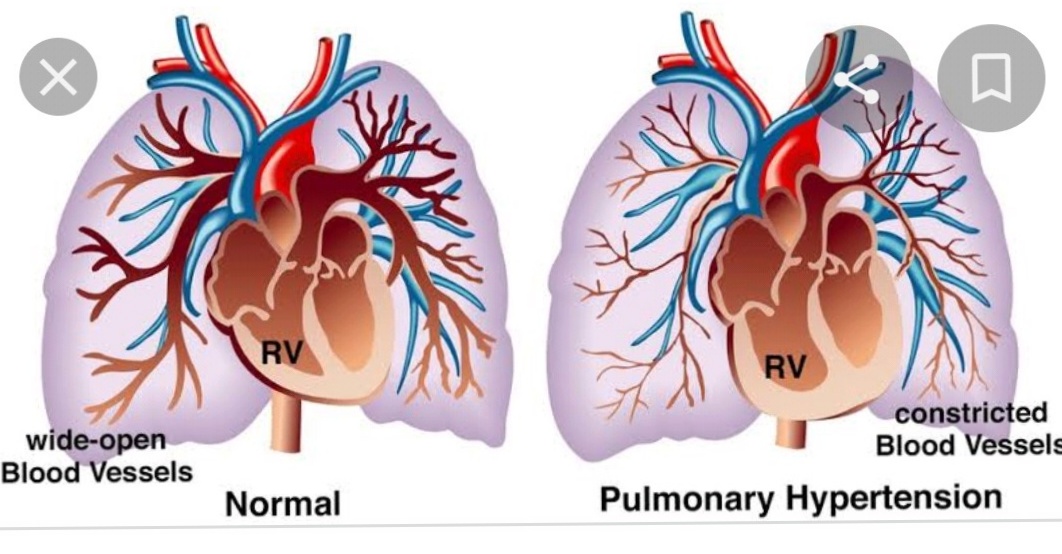
A portion of the clot may detach and travel through the bloodstream to the lungs. This can block a pulmonary artery and cause pulmonary embolism, which may be life-threatening. Preventing this complication is one of the most important reasons for treating DVT.2.3 Reduce recurrent thrombosis
People who have experienced one episode of DVT may have an increased risk of developing another episode. Appropriate anticoagulation reduces this risk during treatment.2.4 Reduce long-term venous complications
DVT can damage the valves inside the deep veins. This may interfere with the normal return of blood towards the heart and produce persistent swelling, heaviness, discomfort and skin changes. Appropriate treatment and follow-up aim to reduce the likelihood of these complications.3. Anticoagulant Medicines Used for DVT
Several medications are available for treating DVT. The choice depends on the patient’s clinical condition, kidney function, liver function, bleeding risk, other medications and individual circumstances. The major groups include:- Direct oral anticoagulants (DOACs).
- Low-molecular-weight heparin (LMWH).
- Unfractionated heparin (UFH).
- Vitamin K antagonists (VKAs), such as warfarin.
3.1 Direct oral anticoagulants (DOACs)
DOACs are commonly used for the treatment of DVT. Examples include:- Apixaban.
- Rivaroxaban.
- Dabigatran.
- Edoxaban.
Advantages of DOACs
Compared with traditional warfarin-based treatment, DOACs offer several practical advantages in appropriately selected patients.- They are available as oral tablets.
- Routine INR monitoring is generally unnecessary.
- They have relatively predictable anticoagulant effects.
- They have fewer food interactions than warfarin.
- They can be convenient for long-term outpatient treatment.
Important limitations
DOACs may be unsuitable or require specialist assessment in patients with:- Severe kidney impairment.
- Moderate or severe liver disease.
- Certain drug interactions.
- Antiphospholipid syndrome, particularly triple-positive disease.
- Pregnancy.
- Certain situations involving breastfeeding.
- Particular types of active cancer or gastrointestinal bleeding risk.
3.2 Apixaban
Apixaban is an oral factor Xa inhibitor used to treat DVT and pulmonary embolism. It is commonly administered twice daily. One practical advantage is that apixaban can be started for acute DVT without first administering several days of injectable heparin. Its use requires assessment of kidney function, liver function, age, body weight, bleeding risk and interacting medications.3.3 Rivaroxaban
Rivaroxaban is another oral factor Xa inhibitor. It is used for the initial and continuing treatment of DVT. Its initial treatment schedule differs from its maintenance schedule. The initial treatment phase uses a higher-intensity regimen before changing to the continuing treatment dose. Patients should follow the exact prescription and take the medication according to the recommended food instructions.3.4 Dabigatran
Dabigatran is an oral direct thrombin inhibitor. Unlike apixaban and rivaroxaban, treatment of acute DVT with dabigatran generally requires an initial course of injectable anticoagulation, such as LMWH or UFH, before switching to the oral medicine. Kidney function is particularly important when selecting this medication because renal clearance contributes substantially to its elimination.3.5 Edoxaban
Edoxaban is an oral factor Xa inhibitor. It is generally started after an initial period of treatment with injectable anticoagulation. Kidney function, body weight and certain interacting medications influence its suitability and prescribed dose.4. Injectable Blood Thinners Used for DVT
Some patients require anticoagulant injections, particularly during the initial treatment phase or when oral medicines are unsuitable.4.1 Low-molecular-weight heparin (LMWH)
Low-molecular-weight heparin is widely used in the treatment of venous thrombosis. An example is enoxaparin. LMWH works mainly by enhancing the inhibitory activity of antithrombin, particularly against factor Xa. It is generally administered by subcutaneous injection.Advantages of LMWH
- Predictable anticoagulant activity.
- Convenient subcutaneous administration.
- Generally no routine aPTT monitoring required.
- Widely used during pregnancy.
- Useful in selected patients with cancer.
- Can be used as part of a treatment strategy when initiating certain oral anticoagulants.
Important precautions
The dose is determined according to the clinical indication, body weight, kidney function and individual bleeding risk. Dose adjustment or an alternative medicine may be necessary in severe renal impairment. Patients should not change the injection dose or frequency themselves.4.2 Unfractionated heparin (UFH)
Unfractionated heparin is another anticoagulant used for DVT. It is often administered intravenously in hospital. UFH has a relatively short duration of action and can be adjusted according to laboratory monitoring. Doctors may prefer UFH in selected patients with:- Severe kidney impairment.
- A high likelihood of requiring an urgent procedure.
- Certain situations involving increased bleeding risk.
- Haemodynamic instability associated with pulmonary embolism.
4.3 Fondaparinux
Fondaparinux is an injectable anticoagulant that indirectly inhibits factor Xa through antithrombin. It may be used in selected patients with DVT. It is not suitable for everyone, particularly patients with severe renal impairment.5. Warfarin Treatment and INR Monitoring
Warfarin is a vitamin K antagonist that reduces the production of several clotting factors in the liver. It has been used for many years in the treatment of DVT. Although DOACs are preferred for many suitable patients, warfarin remains useful in particular clinical situations. Examples include:- Certain patients with severe renal impairment.
- Patients with established triple-positive antiphospholipid syndrome.
- Patients for whom DOACs are unsuitable.
- Patients in whom cost or availability influences treatment selection.
Why is heparin sometimes given with warfarin?
Warfarin takes several days to produce its full anticoagulant effect. Therefore, when warfarin is used to treat acute DVT, it is generally started alongside an injectable anticoagulant such as LMWH or UFH. The injectable medicine is continued for at least five days and until the international normalised ratio (INR) reaches at least 2.0 on two consecutive readings, according to the applicable treatment protocol. This overlapping treatment is called bridging.What is INR?
INR is a standardised measurement of blood clotting time used to monitor warfarin treatment. For most patients receiving warfarin for DVT, the usual target INR is 2.0–3.0. An INR that is too low may indicate inadequate anticoagulation, increasing the risk of recurrent thrombosis. An INR that is too high increases the risk of bleeding.Why are regular INR tests necessary?
Warfarin requirements can change due to:- Dietary changes.
- Other medications.
- Antibiotics.
- Acute illnesses.
- Liver function changes.
- Alcohol consumption.
6. How Long Does DVT Treatment Last?
One of the most common questions patients ask after diagnosis is: How long will I need to take blood thinners? The duration depends mainly on the location of the clot, the circumstances in which it developed, the risk of recurrence and the risk of bleeding. For many patients with confirmed proximal DVT, anticoagulation is prescribed for at least three months.6.1 DVT caused by a temporary risk factor
This is called provoked DVT. Examples include:- Major surgery.
- Significant trauma.
- Temporary immobilisation.
- A temporary period of hospitalisation.
6.2 Unprovoked DVT
An unprovoked DVT occurs without an identifiable major temporary trigger. Such patients may have a greater risk of recurrence after anticoagulation is discontinued. Doctors may recommend extended or indefinite anticoagulation when the expected benefit outweighs the bleeding risk.6.3 DVT associated with persistent risk factors
Some patients have ongoing conditions that increase clotting risk. Examples include:- Active cancer.
- Certain chronic inflammatory conditions.
- Persistent immobility.
- Some inherited or acquired clotting disorders.
6.4 DVT associated with cancer
Patients with active cancer may require anticoagulation for longer than three to six months. The treatment decision should take into account:- Cancer type.
- Tumour location.
- Chemotherapy.
- Drug interactions.
- Bleeding risk.
- Whether the cancer remains active.
Treatment duration: simplified guide
| Clinical situation | Common treatment approach |
|---|---|
| Proximal DVT associated with a temporary risk factor | Usually at least 3 months |
| Unprovoked proximal DVT | At least 3 months, with consideration of extended treatment |
| DVT associated with persistent risk factors | Often extended treatment |
| Active cancer-associated DVT | Usually 3–6 months initially, with reassessment for longer treatment |
| Recurrent DVT | Individualised, often extended treatment |
| Pregnancy-associated DVT | Generally throughout pregnancy and at least 6 weeks after delivery, with a minimum total treatment duration of 3 months |
7. Treatment According to the Location of the Clot
The location and extent of DVT can influence the treatment strategy.7.1 Proximal DVT
Proximal DVT involves veins at or above the popliteal vein, including the femoral and iliac veins. It carries a clinically important risk of pulmonary embolism. Anticoagulation is generally recommended unless there is a contraindication.7.2 Distal DVT
Distal DVT affects the deep veins below the popliteal vein, usually in the calf. Not every patient with isolated distal DVT necessarily requires immediate anticoagulation. According to the CHEST guidelines, selected patients without severe symptoms or important risk factors for clot extension may undergo serial ultrasound surveillance for two weeks. Ultrasound is generally repeated approximately once weekly or earlier if symptoms worsen. Anticoagulation is initiated if the clot extends, particularly into the proximal veins. Treatment is more strongly considered when there are factors such as:- Severe symptoms.
- Extensive thrombosis.
- Clot close to proximal veins.
- Previous DVT.
- Active cancer.
- No identifiable reversible provoking factor.
- Inpatient status.
7.3 Extensive iliofemoral DVT
A clot involving the iliac and common femoral veins may cause significant swelling, pain and venous obstruction. Most patients receive anticoagulation. Selected patients with severe symptoms, good functional status and low bleeding risk may be considered for catheter-directed thrombolysis or other endovascular procedures. These decisions require specialist assessment.8. When Is Hospital Admission Necessary?
Not every patient with DVT needs prolonged hospitalisation. Selected patients with uncomplicated DVT may be treated as outpatients. However, hospital admission may be necessary when there is:- Severe pain or extensive swelling.
- Limb-threatening thrombosis.
- Suspected or confirmed pulmonary embolism.
- Significant bleeding risk.
- Severe kidney or liver disease.
- Other serious medical conditions.
- A requirement for intravenous anticoagulation or specialised procedures.
- Inadequate support or inability to manage treatment safely at home.
What is phlegmasia cerulea dolens?
Phlegmasia cerulea dolens is an uncommon but serious complication of extensive venous thrombosis. It occurs when venous obstruction becomes severe enough to interfere substantially with circulation in the affected limb. Features may include:- Massive swelling.
- Severe pain.
- Bluish skin discolouration.
- Reduced limb perfusion.
- Risk of venous gangrene.
9. Can DVT Be Treated Without Surgery?
Yes. Most uncomplicated DVT cases are treated medically without surgery. Anticoagulant therapy is sufficient for many patients. The clot is gradually broken down by the body’s natural fibrinolytic system while anticoagulation reduces the likelihood of further clot formation. Surgical or catheter-based procedures are reserved for selected circumstances. Patients should understand that the presence of a blood clot does not automatically mean that an operation is necessary.10. Thrombolytic Therapy and Clot Removal Procedures
In selected patients, doctors may consider treatments that actively dissolve or remove the clot.10.1 Thrombolytic therapy
Thrombolytic drugs are medications that actively break down fibrin within blood clots. Examples include:- Alteplase.
- Other specialist-selected fibrinolytic agents.
10.2 Catheter-directed thrombolysis
During catheter-directed thrombolysis, a specialised catheter is introduced into the venous system and positioned near the clot. A thrombolytic medication is delivered locally to help dissolve the thrombus. This approach may be considered in selected patients with extensive iliofemoral DVT. Factors considered include:- Severity of symptoms.
- Duration of symptoms.
- Extent of thrombosis.
- Bleeding risk.
- Functional status.
- Expected benefit in preventing severe long-term venous complications.
10.3 Mechanical thrombectomy
Mechanical thrombectomy involves removing or reducing the clot using specialised catheter-based equipment. It may be considered in selected patients with severe venous obstruction. Some procedures use aspiration systems, while others use mechanical devices to break up or extract clot material. The choice depends on the patient’s condition, anatomy, available expertise and procedural risks.10.4 Surgical thrombectomy
Surgical thrombectomy involves removing a clot through an operative procedure. It is rarely needed for ordinary DVT. It may be considered in selected cases of severe, limb-threatening thrombosis when urgent restoration of venous blood flow is necessary.Are clot-removal procedures better than blood thinners?
Not for every patient. Although selected patients may benefit from faster clot clearance and symptom improvement, invasive procedures carry risks, including:- Major bleeding.
- Vascular injury.
- Contrast-related complications.
- Recurrent thrombosis.
- Procedural complications.
11. Inferior Vena Cava Filters
An inferior vena cava (IVC) filter is a small medical device placed inside the inferior vena cava, the large vein that returns blood from the lower body to the heart. Its purpose is to trap certain clots travelling towards the lungs.When is an IVC filter considered?
It may be considered in selected patients with acute proximal DVT or pulmonary embolism who cannot receive anticoagulation because of a significant contraindication, such as active major bleeding.Are IVC filters routinely recommended?
No. Routine placement of an IVC filter in patients who can receive anticoagulation is generally not recommended. The CHEST guidance recommends against adding an IVC filter to anticoagulation in patients who can safely receive anticoagulants.What happens after filter placement?
Some filters are retrievable. When the temporary contraindication to anticoagulation resolves and anticoagulation becomes possible, the treating team should consider removing the filter as soon as clinically appropriate. Leaving a retrievable filter in place unnecessarily may increase long-term complications. Potential complications include:- Filter thrombosis.
- Migration.
- Fracture.
- Penetration of the vessel wall.
- Recurrent venous thrombosis.
12. DVT Treatment During Pregnancy
Pregnancy-associated DVT requires special attention because both the mother and developing baby must be considered. Pregnancy increases the body’s tendency to form blood clots.12.1 Preferred treatment
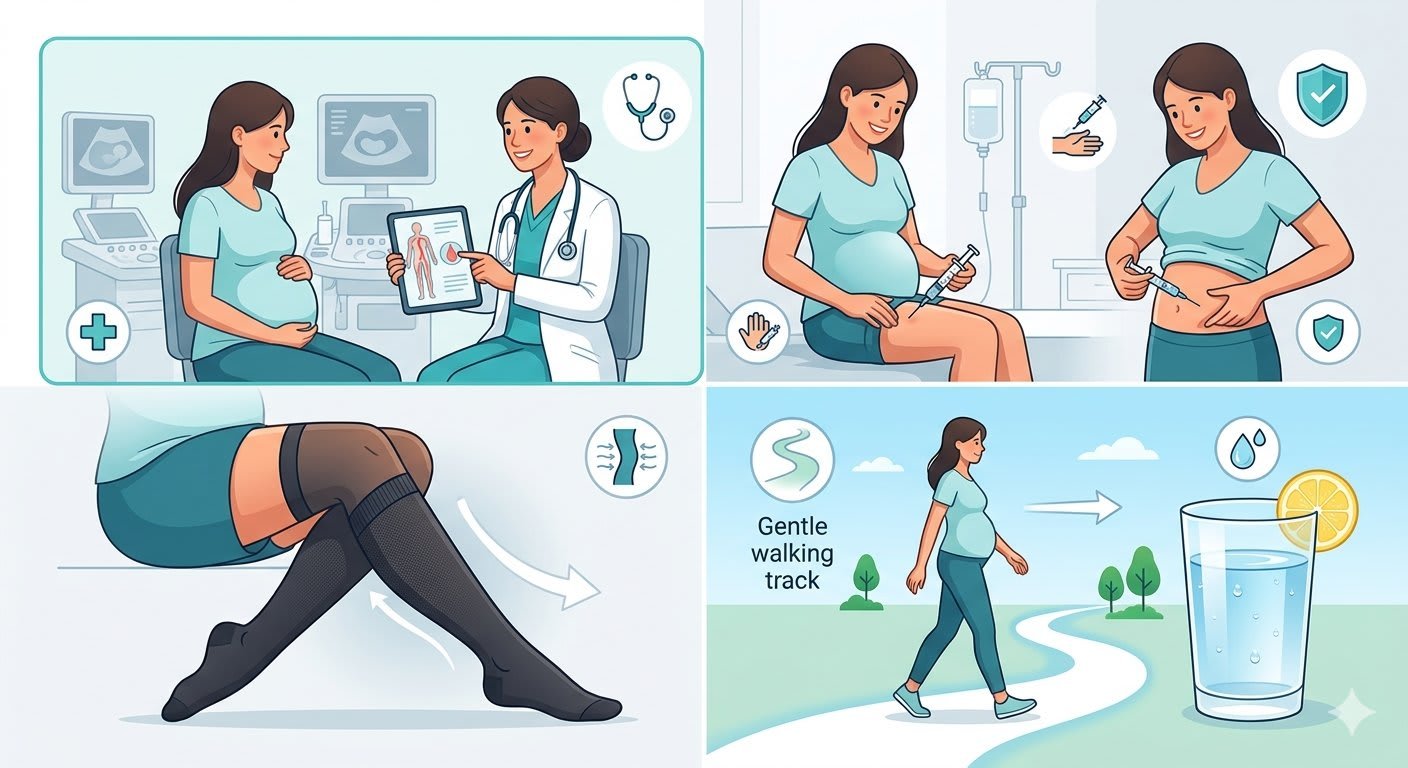
Low-molecular-weight heparin (LMWH) is generally the preferred anticoagulant for treating DVT during pregnancy. It does not cross the placenta and therefore does not directly anticoagulate the fetus. Treatment is usually administered by subcutaneous injection.12.2 Why are DOACs generally avoided during pregnancy?
There is insufficient evidence to establish the safety of direct oral anticoagulants during pregnancy. Consequently, DOACs are generally avoided.12.3 How long is treatment required?
Treatment is generally continued throughout the remainder of pregnancy and for at least six weeks after delivery. The total duration should be at least three months.12.4 Can anticoagulants be used while breastfeeding?
LMWH and warfarin are generally compatible with breastfeeding. DOACs are usually avoided during breastfeeding because of insufficient safety evidence and concerns about infant exposure. The exact treatment plan should be decided by an obstetric and thrombosis specialist.13. DVT Treatment in Patients With Cancer
Cancer-associated thrombosis is an important clinical problem. Some cancers increase clotting tendency, while surgery, chemotherapy and reduced mobility may further increase the risk.Which medicines are used?
Depending on the patient’s condition, doctors may select:- LMWH.
- Apixaban.
- Rivaroxaban.
- Edoxaban.
Why is the cancer location important?
Patients with gastrointestinal or genitourinary cancers may have a higher risk of bleeding. Tumour location, chemotherapy interactions and platelet count can influence anticoagulant selection.How long is treatment required?
Patients with active cancer may require treatment beyond six months. The need for continued anticoagulation should be reassessed periodically according to cancer activity, bleeding risk and thrombosis risk.14. DVT Treatment in Elderly Patients
Older adults may have several conditions that influence anticoagulant selection. These include:- Reduced kidney function.
- Liver disease.
- Previous gastrointestinal bleeding.
- Falls and injury risk.
- Multiple medications.
- Low body weight.
- Frailty.
Important precautions
Before starting treatment, doctors should assess:- Kidney function.
- Liver function.
- Haemoglobin and platelet count.
- Previous bleeding history.
- Other medications.
- Risk of falls and trauma.
- Ability to take medicines reliably.
15. What If DVT Occurs Despite Taking Blood Thinners?
Occasionally, patients develop recurrent thrombosis despite receiving anticoagulation. This is sometimes described as breakthrough VTE or anticoagulation failure. However, before changing treatment, the doctor must determine whether a genuine new clot has developed.Possible reasons include:
- Missed medication doses.
- Incorrect dosage.
- Poor medication adherence.
- Drug interactions.
- Inadequate absorption.
- Active cancer.
- Persistent thrombophilia.
- Incorrect initial diagnosis.
- Development of a new clot rather than persistence of the original clot.
What should the doctor do?
The treatment team may:- Confirm the diagnosis with appropriate imaging.
- Check medication adherence.
- Review the prescribed dose.
- Assess kidney and liver function.
- Review interacting medications.
- Investigate underlying hypercoagulability.
- Change the anticoagulant or adjust its intensity when appropriate.
16. Side Effects and Bleeding Precautions During DVT Treatment
Anticoagulants reduce clotting ability and can increase the risk of bleeding. Although these medications are essential for many patients, understanding their potential adverse effects is important.16.1 Common side effects
Depending on the medication, possible side effects include:- Easy bruising.
- Nosebleeds.
- Bleeding gums.
- Heavier menstrual bleeding.
- Minor bleeding from cuts.
- Anaemia.
16.2 Serious bleeding warning signs
Seek immediate medical attention if you experience:- Vomiting blood or material resembling coffee grounds.
- Black, tarry stools.
- Red blood in urine.
- Heavy or uncontrolled bleeding.
- Severe or persistent headache.
- Sudden weakness, confusion or difficulty speaking.
- Severe abdominal pain.
- A serious head injury, even if you initially feel well.
16.3 Which medicines should be used cautiously?
Certain medicines can increase bleeding risk when combined with anticoagulants. Examples include:- Aspirin.
- Ibuprofen.
- Naproxen.
- Other non-steroidal anti-inflammatory drugs (NSAIDs).
- Some antiplatelet medications.
16.4 What if a dose is missed?
Instructions depend on the specific anticoagulant. A missed dose of apixaban, rivaroxaban, dabigatran, edoxaban or warfarin may require different action. Patients should follow the medication-specific patient information leaflet or contact their doctor or pharmacist. Never take an extra dose to compensate unless specifically instructed.17. Diet, Exercise and Lifestyle During DVT Recovery
Medical treatment is essential, but appropriate lifestyle measures can support recovery.17.1 Can patients walk after DVT?
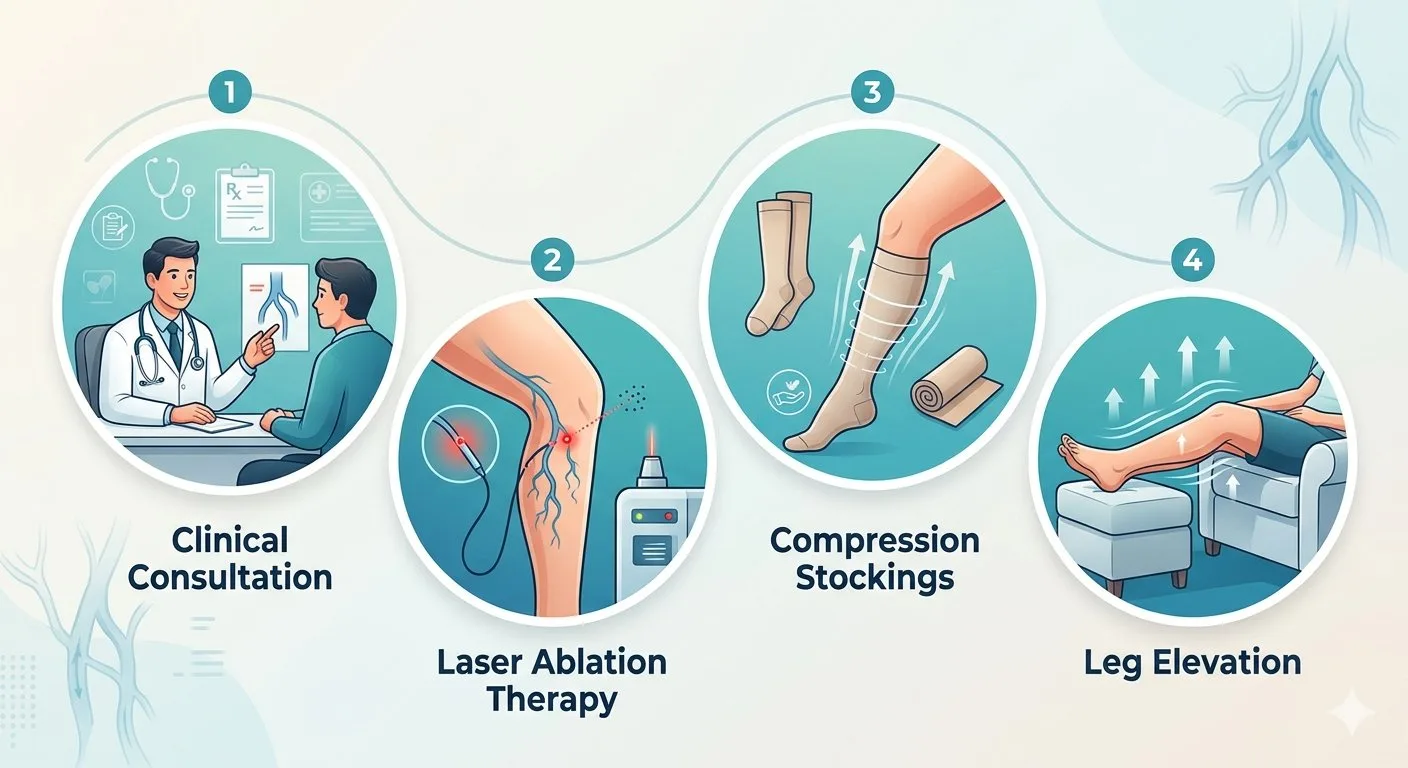
In most patients receiving appropriate anticoagulation, early mobilisation and walking are generally encouraged as tolerated. Prolonged bed rest is not routinely necessary for uncomplicated DVT. However, patients with severe pain, extensive swelling or limb-threatening thrombosis may require individual restrictions and specialist guidance.17.2 Leg elevation
Elevating the affected leg while resting may help reduce swelling and discomfort. Avoid positions that cause pressure or discomfort.17.3 Compression stockings
Graduated compression stockings apply controlled pressure to the leg. They may help selected patients manage persistent swelling or discomfort. However, they should not be prescribed routinely to every patient solely to prevent post-thrombotic syndrome. Correct sizing and assessment of arterial circulation are important before use.17.4 Maintain a healthy weight
Excess body weight is associated with increased venous thromboembolism risk. Long-term weight management and regular physical activity may improve overall vascular health.17.5 Avoid smoking
Smoking cessation is beneficial for general cardiovascular and vascular health.17.6 Dietary precautions with warfarin
Patients taking warfarin should maintain a reasonably consistent intake of foods containing vitamin K. Examples include:- Spinach.
- Broccoli.
- Cabbage.
- Kale.
- Other green leafy vegetables.
17.7 Alcohol and herbal supplements
Excessive alcohol consumption can increase bleeding risk and interfere with safe anticoagulation. Some herbal products and supplements can also interact with anticoagulants. Inform your doctor about all prescription medicines, over-the-counter drugs and supplements.18. Can DVT Be Completely Cured?
Many patients recover well after treatment, but recovery differs between individuals. The body’s natural fibrinolytic system gradually breaks down the clot. However, the vein may not return completely to its original condition. Some patients develop:- Residual venous obstruction.
- Damaged venous valves.
- Persistent swelling.
- Leg heaviness.
- Skin discolouration.
- Post-thrombotic syndrome.
Does every patient need a repeat Doppler ultrasound?
No. Routine repeat ultrasound is not necessary for every patient who is improving on anticoagulation. Imaging may be appropriate when:- Symptoms worsen.
- A new DVT is suspected.
- There is uncertainty about clot progression.
- Treatment decisions depend on the imaging findings.
- The patient is being monitored using a specific distal-DVT surveillance strategy.
19. How Can Recurrent DVT Be Prevented?
After completing the initial treatment, patients should discuss their future thrombosis risk with their doctor. Important preventive measures include:- Take prescribed anticoagulants consistently.
- Attend scheduled medical reviews.
- Avoid prolonged unnecessary immobility.
- Maintain regular physical activity.
- Discuss preventive treatment before major surgery.
- Inform doctors about previous DVT before hospitalisation.
- Discuss the risks of oestrogen-containing medications where relevant.
- Maintain a healthy weight.
- Avoid smoking.
- Seek prompt medical advice if symptoms recur.
What should patients know before stopping anticoagulants?
Stopping anticoagulants too early may increase the risk of recurrent thrombosis. Continuing them unnecessarily can increase bleeding risk. The decision must balance both risks. Patients should not stop medication simply because leg pain and swelling have improved.20. Frequently Asked Questions About Treatment for DVT
1. What is the best treatment for DVT?
Anticoagulant medication is the main treatment for most patients with confirmed DVT. Options include apixaban, rivaroxaban, dabigatran, edoxaban, LMWH and warfarin. The best choice depends on individual clinical factors.2. Can DVT be treated without surgery?
Yes. Most DVT cases are treated without surgery using anticoagulant medications. Clot-removal procedures are reserved for selected severe cases.3. How long does DVT treatment take?
Many patients with proximal DVT require at least three months of anticoagulation. Unprovoked, recurrent or cancer-associated thrombosis may require extended treatment.4. Which tablet is commonly used for DVT?
Apixaban and rivaroxaban are commonly used oral anticoagulants for suitable patients. Dabigatran and edoxaban are other options, usually following initial injectable anticoagulation.5. Can a blood clot dissolve completely with medication?
The body’s natural fibrinolytic system gradually breaks down clots during anticoagulant treatment. However, some patients develop residual venous obstruction or permanent valve damage.6. Is bed rest necessary during DVT treatment?
Not routinely. In most uncomplicated cases, early mobilisation and walking as tolerated are encouraged after appropriate treatment has started. Individual restrictions may be needed in severe cases.7. Can patients with DVT travel by air?
Travel should be discussed with the treating doctor. Patients with a newly diagnosed DVT may need to postpone flying until they are clinically stable and established on anticoagulation. Individual airline and medical advice should be followed.8. Are compression stockings necessary after DVT?
Not for everyone. They may help manage swelling and discomfort in selected patients, but routine use solely to prevent post-thrombotic syndrome is not recommended.9. Can DVT recur after treatment?
Yes. Recurrence is possible, particularly in people with unprovoked thrombosis, persistent risk factors or previous episodes.10. Can aspirin replace anticoagulants for DVT?
No. Aspirin is not an equivalent substitute for therapeutic anticoagulation in the treatment of acute DVT.11. Is DVT treatment safe during pregnancy?
LMWH is generally the preferred treatment during pregnancy because it does not cross the placenta. Treatment is usually continued throughout pregnancy and for at least six weeks after delivery, with a minimum total treatment duration of three months.12. What happens if a patient stops blood thinners early?
Stopping treatment before the recommended duration may increase the risk of recurrent thrombosis and pulmonary embolism. Patients should discuss any concerns with their treating doctor before changing medication.13. Can DVT be treated at home?
Selected patients with uncomplicated DVT can receive outpatient treatment if they are clinically stable, have a low bleeding risk and can safely manage their medications and follow-up.14. Do all patients need an IVC filter?
No. IVC filters are reserved for selected situations, particularly when anticoagulation is contraindicated. Routine placement alongside anticoagulation is not recommended.15. What is the most serious complication of DVT?
Pulmonary embolism is the most serious acute complication. It occurs when a clot travels to the lungs and obstructs pulmonary blood flow.16. Can DVT treatment cause bleeding?
Yes. Anticoagulants increase bleeding risk. Serious warning signs include vomiting blood, black stools, blood in urine, severe headache and uncontrolled bleeding.17. Does a patient need lifelong anticoagulation after DVT?
Not necessarily. Many patients with DVT associated with a temporary risk factor can stop treatment after an appropriate course, often three months. Others may need extended or indefinite treatment depending on recurrence and bleeding risks.18. Does a normal Doppler after treatment mean that medication can be stopped?
Not automatically. Treatment duration depends on the clinical circumstances and recurrence risk, not solely on whether a repeat ultrasound appears normal.19. What should a patient do if leg swelling increases during treatment?
Seek prompt medical reassessment. The doctor may need to evaluate for clot progression, recurrent thrombosis, post-thrombotic complications or another cause of swelling.20. When should a DVT patient seek emergency care?
Sudden breathlessness, chest pain, coughing up blood, fainting or collapse may indicate pulmonary embolism. Seek immediate emergency medical assistance.21. Summary: Treatment for DVT
Deep vein thrombosis is primarily treated with anticoagulant medications that prevent the clot from extending and reduce the risk of pulmonary embolism. Important treatment options include:- DOACs: Apixaban, rivaroxaban, dabigatran and edoxaban.
- Injectable anticoagulants: Enoxaparin and unfractionated heparin.
- Vitamin K antagonists: Warfarin.
22. Conclusion
Treatment for DVT has improved considerably with the availability of modern anticoagulants and specialised endovascular procedures. For most patients, anticoagulant medication is sufficient to prevent clot extension, reduce pulmonary embolism risk and allow the body to gradually break down the existing clot. However, treatment is not identical for everyone. The location and extent of thrombosis, pregnancy, cancer, kidney function, bleeding risk and previous clotting episodes all influence the treatment strategy. An appropriate treatment duration is equally important. Stopping anticoagulants too early may increase the risk of recurrence, while unnecessary prolonged treatment can expose patients to avoidable bleeding. Patients should follow their prescribed treatment plan, attend regular reviews and seek urgent medical assistance if symptoms suggest pulmonary embolism or serious bleeding. With timely diagnosis, appropriate anticoagulation and individualised follow-up, many patients can recover and return to their usual daily activities.23. Medical Disclaimer
This article is intended for general educational purposes and should not be considered a substitute for medical consultation, examination or individualised treatment. The medicines discussed are prescription anticoagulants. Their selection, dosage and duration must be determined by a qualified healthcare professional. Do not start, stop, change or combine blood-thinning medications without medical advice. Patients experiencing sudden breathlessness, chest pain, coughing up blood, fainting or collapse require immediate emergency medical attention.24. References and Further Reading
Indian medical guidance
- National Academy of Medical Sciences (India). NAMS Task Force Report on Venous Thromboembolism. Annals of the National Academy of Medical Sciences (India), 2024;60:34–70.
International guidelines and government health agencies
- National Institute for Health and Care Excellence (NICE). Venous thromboembolic diseases: diagnosis, management and thrombophilia testing. Guideline NG158.
- Centers for Disease Control and Prevention (CDC). Venous Thromboembolism: Testing, Diagnosis and Treatment.
- American Society of Hematology (ASH). 2020 Guidelines for Management of Venous Thromboembolism: Treatment of Deep Vein Thrombosis and Pulmonary Embolism.
- American Society of Hematology (ASH). 2021 Guidelines for Management of Venous Thromboembolism: Prevention and Treatment in Patients with Cancer.
- American College of Chest Physicians (CHEST). Antithrombotic Therapy for VTE Disease: Second Update of the CHEST Guideline and Expert Panel Report.
- Royal College of Obstetricians and Gynaecologists (RCOG). Diagnosis and Treatment of Venous Thrombosis in Pregnancy and After Birth.
- NHS. Deep Vein Thrombosis (DVT).
- American Society of Hematology (ASH). Expert guidance and evidence on anticoagulation and VTE treatment.
Educational video
- Thrombosis UK – Understanding Blood Clots: Reducing Your Risks of a DVT.
📲 For Health-Related Articles & Videos
🔹 Facebook: https://www.facebook.com/positivemind.healthcare 🔹ENT Consultation & Surgery
Dr. Sagar Rajkuwar (MS-ENT) Consultant ENT Specialist & Head-Neck SurgeonPrabha ENT Clinic, Ambad, Nashik, Maharashtra, India