Deep Vein Thrombosis Treatment in Pregnancy-various aspects-
Article author: Dr. Sagar Rajkuwar, MS-ENT
Introduction
Pregnancy is an exciting period, but it also brings several physiological changes that can increase the risk of developing blood clots. One potentially serious complication is deep vein thrombosis (DVT), a condition in which a blood clot develops inside a deep vein, usually in the leg or pelvis. Although DVT can occur at any stage of pregnancy, the risk of developing venous blood clots is particularly important during the third trimester and the period following childbirth. A major concern is that a portion of the clot may break away and travel through the bloodstream to the lungs, causing pulmonary embolism (PE). This can become a life-threatening emergency. Fortunately, effective treatment is available. The preferred medication for most pregnant women with confirmed DVT is low-molecular-weight heparin (LMWH), an injectable anticoagulant that prevents the existing clot from growing and reduces the risk of additional clots. Unlike several other blood-thinning medications, LMWH does not cross the placenta in clinically significant amounts and does not directly anticoagulate the developing baby. However, treating DVT during pregnancy requires more than simply prescribing an injection. Doctors must consider the stage of pregnancy, kidney function, bleeding risk, clot location, delivery plans, anaesthesia requirements and breastfeeding. This article explains the available treatments, the safety of different anticoagulants, how injections are administered, how long treatment continues and what pregnant women should know before delivery. The information incorporates recommendations from the 2025 European Society of Cardiology (ESC) pregnancy guidelines, the American Society of Hematology (ASH), the Royal College of Obstetricians and Gynaecologists (RCOG) and the Centers for Disease Control and Prevention (CDC).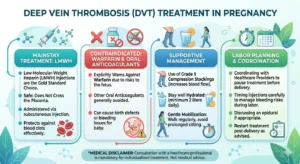
1. What Is Deep Vein Thrombosis During Pregnancy?
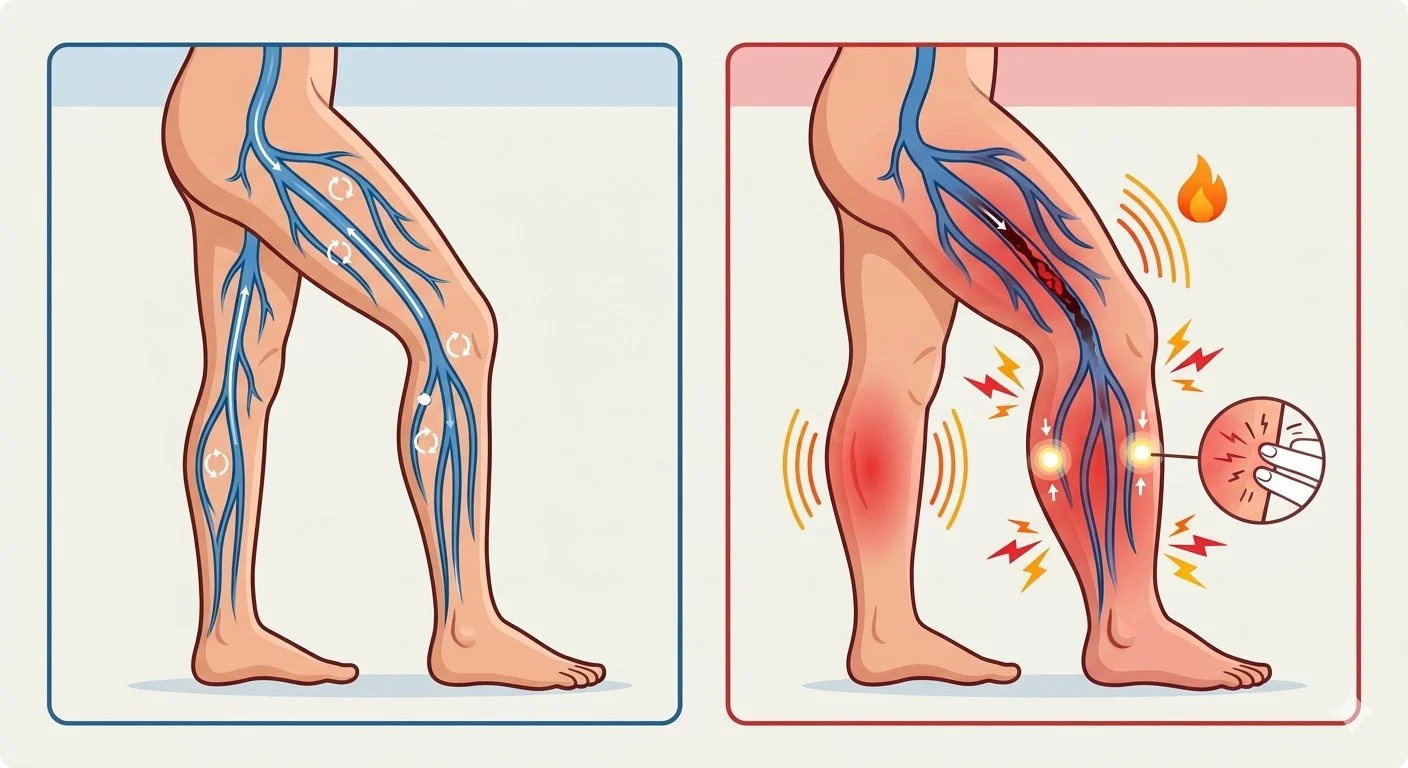
Deep vein thrombosis is the formation of a blood clot, medically called a thrombus, within a deep vein. During pregnancy, DVT most commonly affects the lower extremities, including:- Calf veins.
- Popliteal vein behind the knee.
- Femoral vein in the thigh.
- Iliac veins in the pelvis.
1.1 Increased blood clotting tendency
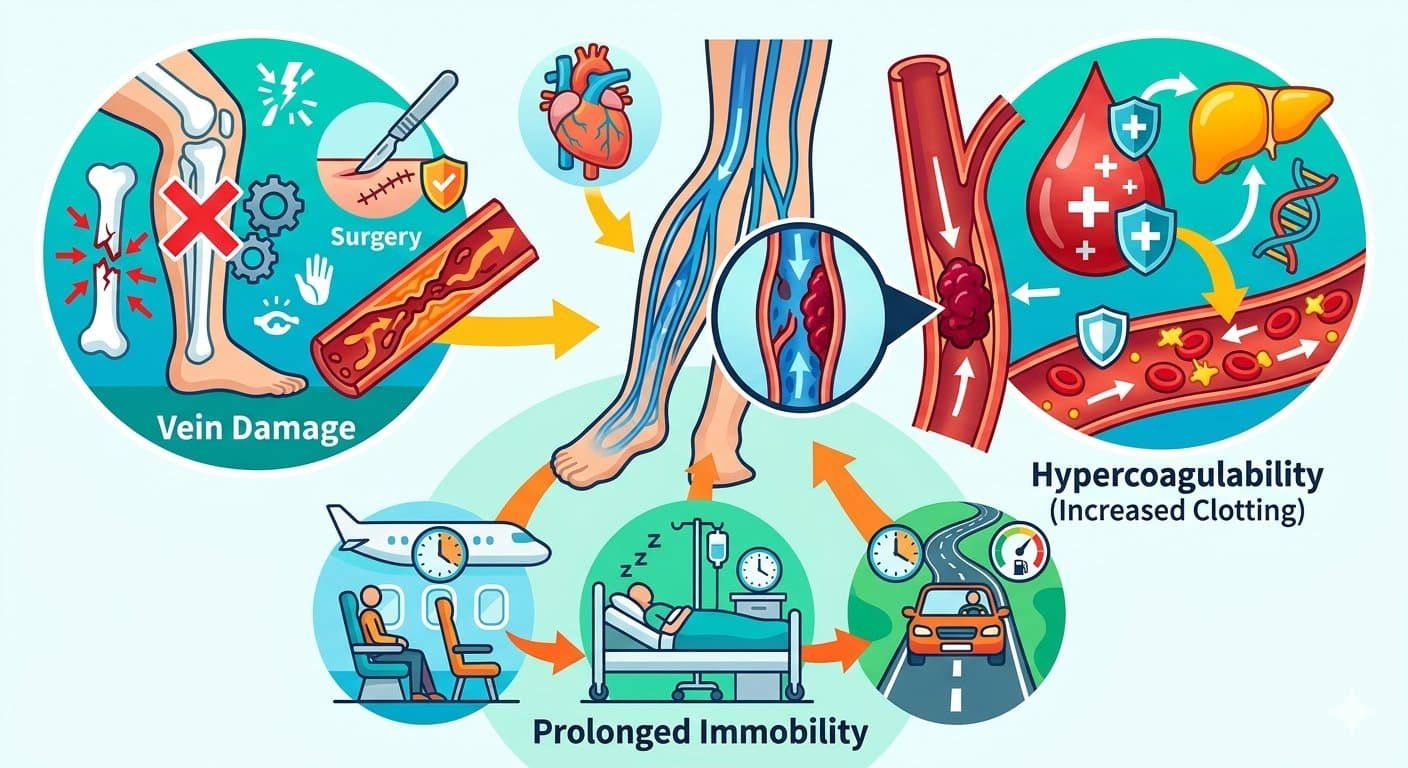
Pregnancy produces a natural hypercoagulable state. The levels or activity of several clotting factors increase, while certain natural anticoagulant and fibrinolytic mechanisms become relatively less active. This makes blood more likely to clot.1.2 Reduced venous blood flow
As the uterus enlarges, it can compress pelvic veins and the inferior vena cava. This may slow the return of blood from the lower extremities towards the heart. Reduced blood flow, medically known as venous stasis, increases the possibility of clot formation.1.3 Changes associated with childbirth
Delivery, particularly caesarean delivery, may introduce additional risk factors. These include:- Surgical tissue injury.
- Reduced mobility.
- Blood loss.
- Inflammation.
- Hospitalisation.
2. Why Is DVT Treatment During Pregnancy Important?
Treating DVT promptly is essential because an untreated clot may extend or cause pulmonary embolism.2.1 Pulmonary embolism
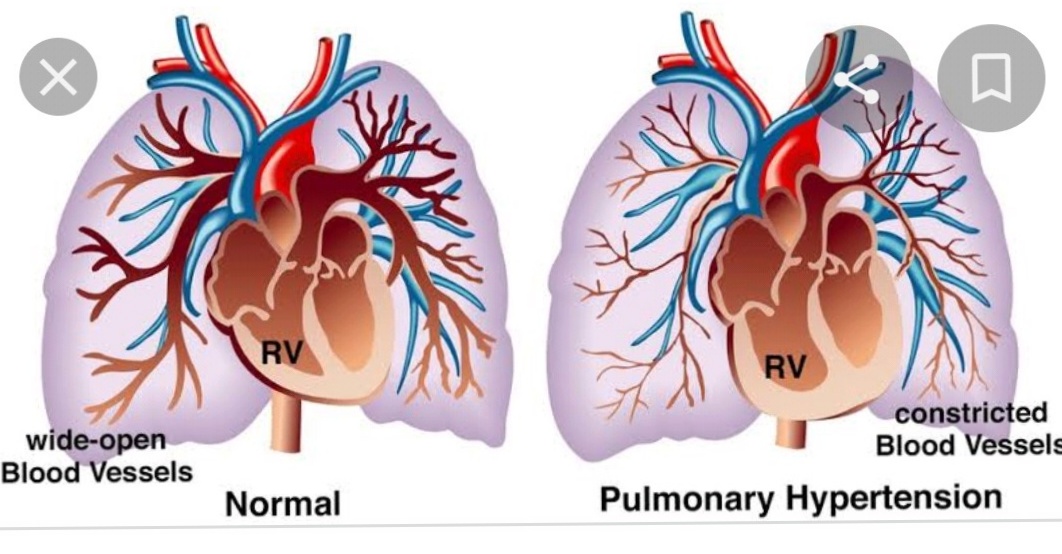
Pulmonary embolism occurs when a blood clot travels through the circulation and blocks an artery supplying the lungs. Symptoms may include:- Sudden breathlessness.
- Chest pain, especially when breathing deeply.
- Coughing up blood.
- Rapid heartbeat.
- Dizziness or fainting.
2.2 Maternal complications
Untreated or inadequately treated DVT may cause:- Clot extension.
- Recurrent venous thrombosis.
- Pulmonary embolism.
- Persistent leg swelling.
- Chronic venous obstruction.
- Post-thrombotic syndrome.
2.3 Risks to pregnancy
A maternal blood clot does not automatically mean that the baby will be harmed. However, severe maternal complications, particularly pulmonary embolism and circulatory instability, can compromise oxygen delivery to both mother and baby. Therefore, early diagnosis and appropriate anticoagulation are important for maternal and fetal safety.3. Symptoms of DVT During Pregnancy
Recognising the symptoms is important because some leg swelling and discomfort are common during normal pregnancy. However, certain symptoms require urgent investigation.Common symptoms
- Swelling in one leg.
- Pain or tenderness in the calf or thigh.
- Warmth over the affected area.
- Redness or skin discolouration.
- A feeling of heaviness in the affected leg.
- Pain that becomes noticeable while standing or walking.
Why is left-sided DVT important?
Pregnancy-associated DVT disproportionately affects the left leg. The enlarging uterus and anatomical compression of the left common iliac vein may contribute to reduced venous blood flow on that side. Therefore, unexplained left-leg swelling or pain during pregnancy should not be dismissed as ordinary pregnancy-related swelling.When should a pregnant woman seek emergency care?
Seek immediate emergency medical assistance if there is:- Sudden unexplained breathlessness.
- Chest pain.
- Coughing up blood.
- Fainting.
- Collapse.
- Severe dizziness accompanied by breathing difficulty.
4. How Is DVT Diagnosed During Pregnancy?
Accurate diagnosis is essential before selecting the appropriate treatment. Doctors generally use a combination of clinical assessment and imaging.4.1 Clinical assessment
The doctor evaluates:- Symptoms and their duration.
- Which leg is affected.
- Previous history of DVT or pulmonary embolism.
- Family history of thrombosis.
- Recent hospitalisation or surgery.
- Pregnancy-related risk factors.
- Other medical conditions.
4.2 Compression ultrasonography
Compression ultrasonography is the first-line imaging investigation for suspected lower-limb DVT during pregnancy. It uses ultrasound waves to assess the deep veins. Normally, a vein can be compressed by the ultrasound probe. A vein containing a thrombus may fail to compress completely. This helps identify the presence of DVT. Ultrasound does not use ionising radiation and is considered safe during pregnancy.4.3 What if the first ultrasound is negative?
A negative initial ultrasound does not always exclude DVT when clinical suspicion remains high. The doctor may recommend:- Repeat compression ultrasound.
- Serial ultrasound examinations.
- Additional assessment of the iliac veins.
- Magnetic resonance venography in selected cases.
4.4 Are D-dimer tests useful?
D-dimer levels normally increase during pregnancy. Consequently, an elevated D-dimer result is less specific for DVT in pregnant women. It should not be interpreted in isolation. Pregnancy-specific diagnostic pathways may use D-dimer in selected circumstances, but imaging and clinical assessment remain essential.5. What Is the Best Treatment for DVT During Pregnancy?
The preferred treatment for most pregnant women with confirmed acute DVT is therapeutic-dose low-molecular-weight heparin (LMWH). This recommendation is supported by the ASH guidelines and the 2025 ESC guidelines. LMWH is an anticoagulant that enhances the activity of antithrombin, particularly inhibiting factor Xa. It prevents the clot from extending and reduces the likelihood of additional thrombus formation. The body’s natural fibrinolytic system gradually breaks down the existing clot.Why is LMWH preferred?
There are several important reasons:- It does not cross the placenta in clinically significant amounts.
- It does not directly anticoagulate the fetus.
- It has predictable anticoagulant activity.
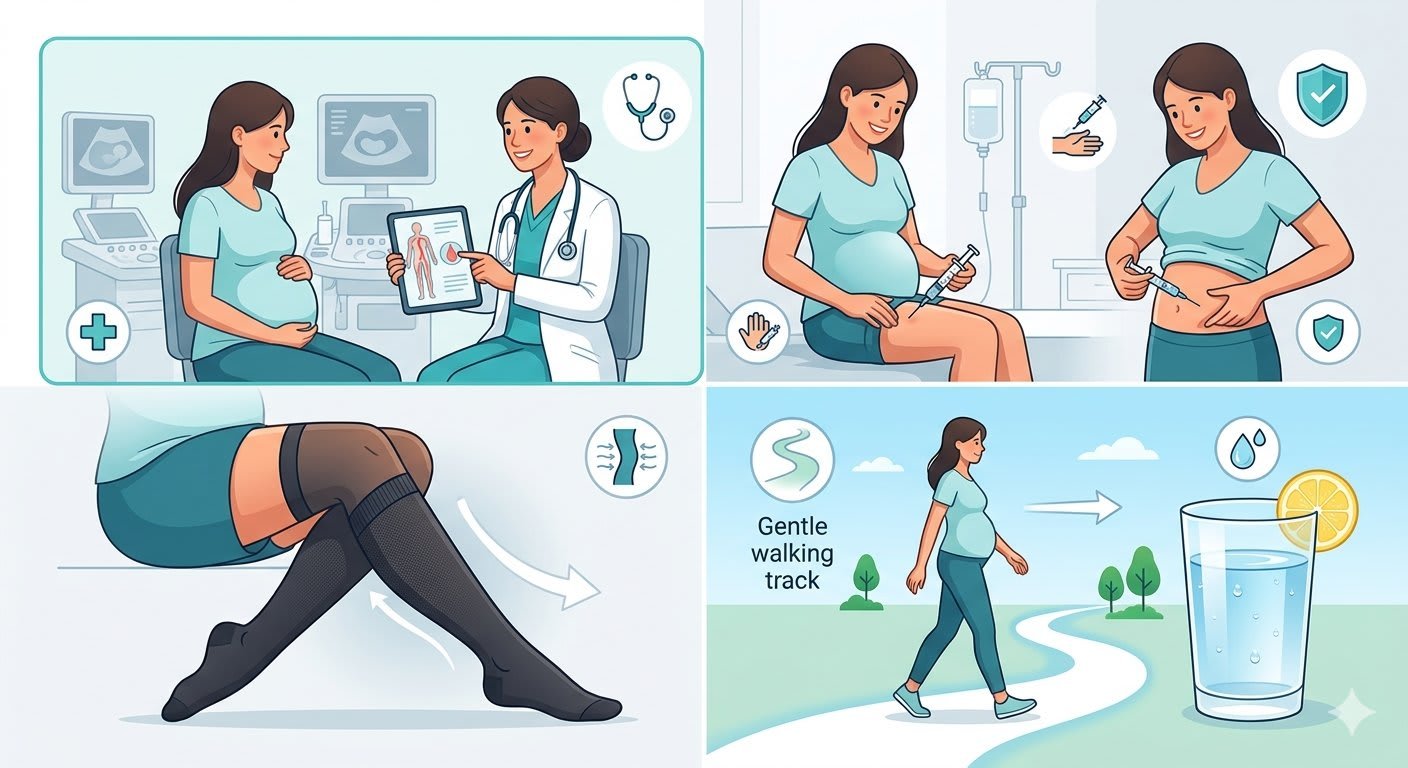
- It can be administered by subcutaneous injection.
- Routine aPTT monitoring is generally unnecessary.
- It has a well-established safety record in pregnancy.
Which LMWH medicines are commonly used?
Examples include:- Enoxaparin.
- Dalteparin.
- Tinzaparin.
6. Enoxaparin Injection for DVT During Pregnancy
Enoxaparin is a low-molecular-weight heparin used extensively for treating venous thrombosis. It is administered by subcutaneous injection, usually into the fatty tissue of the abdomen or another approved injection site.How does enoxaparin work?
Enoxaparin enhances antithrombin activity and inhibits factor Xa, thereby reducing the production of thrombin and the formation of additional fibrin clot. It does not immediately dissolve the existing clot. Instead, it prevents further clot growth while the body gradually removes the thrombus.How frequently is enoxaparin given?
Depending on the treatment protocol, therapeutic LMWH may be prescribed once daily or twice daily. The 2025 ESC guidelines recognise both once-daily and twice-daily therapeutic regimens as reasonable options. The exact regimen must be determined by the treating specialist.How is the injection administered?
The healthcare professional should demonstrate the correct technique. General principles include:- Wash and dry your hands.
- Select the recommended injection site.
- Clean the skin as instructed.
- Follow the instructions supplied with the prefilled syringe.
- Inject into the subcutaneous fatty tissue using the recommended technique.
- Dispose of the used syringe in an appropriate sharps container.
What are the common side effects?
Possible adverse effects include:- Bruising at the injection site.
- Mild pain or irritation.
- Minor bleeding.
- Allergic skin reactions.
- Reduced platelet count in rare cases.
7. Is Heparin Safe for the Baby During Pregnancy?
This is one of the most important questions for expectant mothers. Unfractionated heparin (UFH) and low-molecular-weight heparin (LMWH) do not cross the placenta in clinically significant amounts because of their molecular characteristics. Consequently, they do not directly anticoagulate the developing fetus. This is why heparin-based medicines are preferred over warfarin and direct oral anticoagulants for most cases of acute DVT during pregnancy.Does heparin cause birth defects?
LMWH is not known to cause the characteristic fetal abnormalities associated with warfarin exposure. However, no medication should be considered completely free of risk. The treating obstetrician and thrombosis specialist should supervise treatment throughout pregnancy.Does heparin affect fetal growth?
There is no established evidence that appropriately administered LMWH directly restricts fetal growth. Nevertheless, maternal complications and other pregnancy-related conditions may affect fetal well-being. Routine antenatal monitoring should continue according to the obstetrician’s recommendations.8. Other Blood Thinners: Which Medicines Should Be Avoided During Pregnancy?
Not all anticoagulants are suitable during pregnancy. Understanding the differences is essential.8.1 Warfarin
Warfarin is a vitamin K antagonist. Although it is an effective anticoagulant for many nonpregnant patients, it crosses the placenta. Exposure during pregnancy can cause serious fetal complications, including:- Warfarin embryopathy.
- Nasal and skeletal abnormalities.
- Fetal bleeding.
- Central nervous system abnormalities.
- Pregnancy loss.
8.2 Direct oral anticoagulants (DOACs)
Examples include:- Apixaban.
- Rivaroxaban.
- Dabigatran.
- Edoxaban.
8.3 Unfractionated heparin
Unfractionated heparin does not cross the placenta. It may be used in selected circumstances, including:- Severe kidney impairment.
- Certain unstable patients.
- Situations where rapid reversal of anticoagulation may be necessary.
- Selected cases requiring close management around delivery.
Comparison of anticoagulants during pregnancy
| Medicine | Use during pregnancy | Important information |
|---|---|---|
| Enoxaparin | Preferred | LMWH; does not cross placenta |
| Dalteparin | Preferred option | LMWH |
| Tinzaparin | Specialist-selected option | LMWH |
| Unfractionated heparin | Selected cases | Does not cross placenta; requires monitoring |
| Warfarin | Generally avoided | Crosses placenta; fetal risks |
| Apixaban | Generally avoided | Insufficient fetal safety evidence |
| Rivaroxaban | Generally avoided | Insufficient fetal safety evidence |
| Dabigatran | Generally avoided | Insufficient fetal safety evidence |
| Edoxaban | Generally avoided | Insufficient fetal safety evidence |
9. How Long Does DVT Treatment Continue During Pregnancy?
Treatment duration is an important consideration. Stopping anticoagulation too early may increase the risk of recurrent thrombosis. For most women who develop DVT during pregnancy, anticoagulation is continued:- Throughout the remainder of pregnancy.
- For at least six weeks after delivery.
- For a minimum total treatment duration of three months.
Example
Consider a woman diagnosed with DVT at 28 weeks of pregnancy. She receives therapeutic LMWH until delivery. After childbirth, anticoagulation continues for at least six weeks. However, if the six-week postpartum period does not complete a minimum total treatment course of three months, treatment must continue longer.Does every woman need treatment for only three months?
No. Women with recurrent DVT, persistent risk factors or certain thrombophilic disorders may require longer treatment. The decision should be individualised according to the risk of recurrent thrombosis and bleeding.10. DVT Treatment During Different Trimesters
The main anticoagulant approach is generally similar throughout pregnancy, but the treatment plan must be coordinated with the expected delivery date.10.1 First trimester
The first trimester is an important period of fetal organ development. LMWH is generally preferred because it does not cross the placenta. Warfarin and DOACs are generally avoided. Women who were taking oral anticoagulants before conception require prompt specialist review.10.2 Second trimester
Therapeutic LMWH remains the standard treatment for confirmed acute DVT. Doctors assess:- Maternal weight.
- Kidney function.
- Bleeding risk.
- Clinical response.
- Need for additional investigations.
10.3 Third trimester
The third trimester requires particular attention because delivery may occur at any time. The obstetrician, haematologist and anaesthesia team should develop a clear plan for:- Timing of the last anticoagulant injection.
- Planned vaginal delivery or caesarean section.
- Availability of epidural or spinal anaesthesia.
- Management if labour begins unexpectedly.
- Restarting anticoagulation after childbirth.
11. How Is DVT Treatment Managed During Labour and Delivery?
Planning childbirth while receiving therapeutic anticoagulation is one of the most important aspects of pregnancy-associated DVT management. The objective is to minimise both maternal bleeding and the risk of recurrent thrombosis.11.1 Planned delivery
For women receiving therapeutic-dose LMWH, the 2025 ESC guidelines recommend a planned delivery strategy with prior discontinuation of anticoagulation. The exact timing is determined by the obstetrician, haematologist and anaesthetist. For many patients receiving therapeutic-dose LMWH, a minimum interval of approximately 24 hours is required between the last dose and planned neuraxial anaesthesia or delivery procedures. The specific interval depends on the drug, dose, kidney function and applicable anaesthesia guidelines.11.2 Can a woman have a normal vaginal delivery?
Yes. DVT does not automatically require caesarean delivery. The mode of delivery depends on obstetric indications. Many women with DVT can have vaginal delivery with an appropriately planned anticoagulation schedule.11.3 What if a caesarean section is required?
If a caesarean section is necessary, anticoagulation must be managed carefully. The treating team considers:- Time since the last LMWH injection.
- Maternal bleeding risk.
- Urgency of surgery.
- Kidney function.
- Anaesthesia requirements.
- Risk of recurrent thrombosis.
11.4 What if labour begins unexpectedly?
A woman receiving therapeutic LMWH should contact the maternity unit immediately if labour starts or she suspects that labour has begun. She should not administer another injection until she has received instructions from the treating team. She should inform the hospital staff about the exact time and dose of her last injection. This is particularly important because recent therapeutic anticoagulation can increase bleeding risk and affect whether an epidural or spinal anaesthetic can be safely administered.12. Can Epidural or Spinal Anaesthesia Be Given During DVT Treatment?
This is an important concern for women who want pain relief during labour. Epidural anaesthesia and spinal anaesthesia involve placing a needle or catheter near the spinal canal. When anticoagulation is active, there is a risk of bleeding into this confined space, potentially causing a serious complication called spinal or epidural haematoma. Therefore, anaesthesia timing must be coordinated with anticoagulant administration. For therapeutic-dose LMWH, a minimum interval of approximately 24 hours is generally required before neuraxial procedures. After delivery, the anaesthesia team also determines when it is safe to restart anticoagulation, particularly if an epidural catheter has been used. Patients should never stop or delay injections independently to arrange an epidural.13. DVT Treatment After Delivery
The postpartum period is particularly important because the risk of venous thromboembolism remains increased. Some women may develop their first DVT after childbirth. Others may already be receiving anticoagulation because of a clot diagnosed during pregnancy.Why is postpartum treatment necessary?
After childbirth:- The coagulation system remains relatively prothrombotic.
- Pelvic and lower-limb venous circulation gradually returns towards normal.
- Surgical delivery may increase clotting risk.
- Reduced mobility may contribute to venous stasis.
Which medicines can be used after delivery?
Depending on the clinical circumstances, options include:- LMWH.
- Unfractionated heparin.
- Warfarin.
Is warfarin safe after delivery?
Warfarin is generally considered compatible with breastfeeding. It is highly protein-bound and is not expected to enter breast milk in clinically significant amounts. It may therefore be used in suitable postpartum patients. When transitioning from LMWH to warfarin, overlapping treatment is generally necessary until the INR becomes therapeutic, according to the prescribed protocol.14. Is DVT Treatment Safe While Breastfeeding?
Yes. Several anticoagulants can be used while breastfeeding. The American Society of Hematology identifies the following as acceptable options:- LMWH.
- Unfractionated heparin.
- Warfarin.
- Acenocoumarol.
- Fondaparinux.
- Danaparoid.
Which anticoagulants should be avoided during breastfeeding?
ASH recommends against using direct oral anticoagulants during breastfeeding because the evidence regarding infant safety remains insufficient. This includes:- Apixaban.
- Rivaroxaban.
- Dabigatran.
- Edoxaban.
15. What If DVT Develops Despite Taking Preventive Heparin Injections?
Some pregnant women receive preventive anticoagulation because they have a previous history of DVT or other important risk factors. Occasionally, a new clot may develop despite prophylactic treatment. This does not necessarily mean that heparin has failed. Preventive-dose LMWH and therapeutic-dose LMWH are different treatment strategies. If a new DVT is confirmed, doctors generally reassess the patient and prescribe an appropriate therapeutic anticoagulant regimen. They may also evaluate:- Whether doses were missed.
- Whether the preventive dose was appropriate.
- Changes in body weight.
- Kidney function.
- Additional clotting disorders.
- Other pregnancy complications.
16. Is Anti-Xa Monitoring Necessary During Pregnancy?
Anti-factor Xa testing measures the anticoagulant activity of certain heparin preparations. Pregnancy changes body weight, plasma volume and kidney function, which can alter drug distribution and clearance. However, routine anti-Xa monitoring is not necessary for every pregnant woman receiving therapeutic LMWH. The 2025 ESC guidelines state that routine monitoring has not been shown to improve clinical outcomes. It may be considered in selected patients, particularly those with:- Significant renal impairment.
- Severe obesity.
- Other special clinical circumstances.
17. What If a Pregnant Woman Has Severe DVT?
Most women with DVT can be managed with therapeutic anticoagulation. However, a small proportion develop extensive thrombosis or serious complications. Examples include:- Extensive iliofemoral DVT.
- Severe limb swelling.
- Threatened limb circulation.
- Phlegmasia cerulea dolens.
- Associated high-risk pulmonary embolism.
17.1 Thrombolytic therapy
Thrombolytic medications actively dissolve blood clots. However, they carry a substantial bleeding risk and are generally avoided for routine DVT treatment during pregnancy. They may be considered in exceptional, life-threatening situations after multidisciplinary assessment.17.2 Catheter-directed treatment
Selected patients may require specialist endovascular procedures. These include catheter-directed thrombolysis and mechanical thrombectomy. However, the 2025 ESC guidelines advise against routine interventional clot removal for acute iliofemoral DVT during pregnancy. Such procedures should be considered only when the potential clinical benefit justifies the risks.17.3 Inferior vena cava filter
An inferior vena cava filter (IVC filter) is a device placed in the large vein returning blood from the lower body to the heart. It may be considered in exceptional situations, such as:- A contraindication to therapeutic anticoagulation.
- Recurrent venous thromboembolism despite appropriate anticoagulation.
18. How Can Pregnant Women Reduce the Risk of Developing DVT?
Prevention is particularly important in women with previous thrombosis or additional risk factors.18.1 Early mobilisation
Avoid prolonged unnecessary bed rest. Walking and appropriate movement help maintain venous circulation.18.2 Maintain adequate hydration
Drink adequate fluids according to your obstetrician’s advice. Dehydration may contribute to poor general health and reduced circulation.18.3 Avoid prolonged immobility
During long journeys, women should discuss appropriate preventive measures with their healthcare professional. When medically appropriate, regular movement and calf exercises may help maintain circulation.18.4 Maintain a healthy weight
Excess body weight is associated with an increased risk of venous thrombosis. Healthy weight management before and during pregnancy should follow obstetric guidance.18.5 Stop smoking
Smoking cessation is important for maternal and fetal health.18.6 Risk assessment during antenatal care
Women with the following factors may require special assessment:- Previous DVT or pulmonary embolism.
- Known thrombophilia.
- Strong family history of venous thrombosis.
- Severe obesity.
- Prolonged immobilisation.
- Hospitalisation.
- Major medical conditions.
- Caesarean delivery.
19. Can a Pregnant Woman With DVT Walk and Exercise?
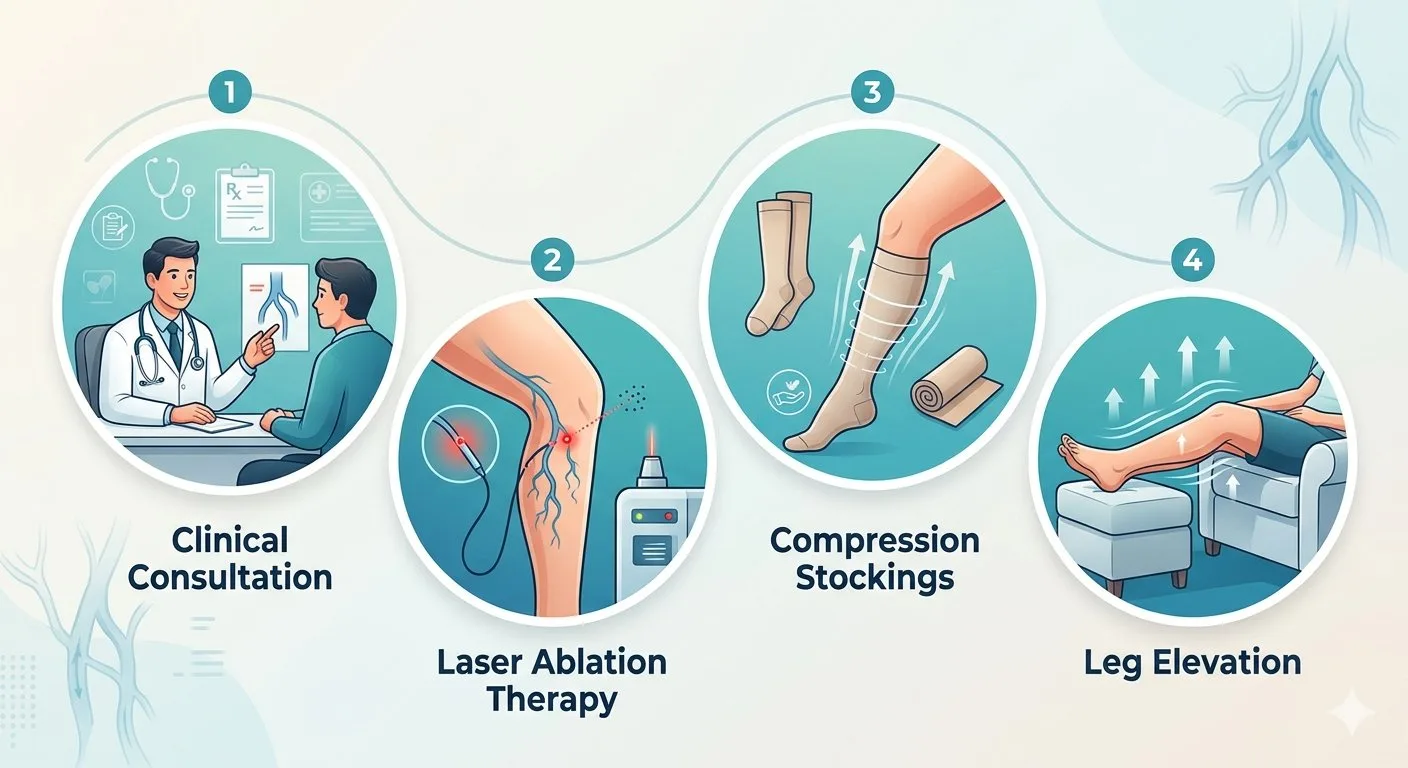
In most women receiving appropriate anticoagulation, gentle mobilisation is encouraged as tolerated. Prolonged bed rest is not routinely necessary for uncomplicated DVT. However, activity should be adjusted according to symptoms and the clinical condition.Recommended practical measures
- Walk short distances as tolerated.
- Avoid sitting in one position for prolonged periods.
- Perform gentle ankle movements.
- Elevate the affected leg while resting if this reduces swelling.
- Avoid strenuous exercise until cleared by the treating team.
20. Complications After DVT During Pregnancy
Even after appropriate treatment, some women may experience persistent symptoms.20.1 Post-thrombotic syndrome
Post-thrombotic syndrome (PTS) occurs when the original clot damages venous valves or causes persistent venous obstruction. Symptoms include:- Chronic leg swelling.
- Heaviness.
- Pain.
- Skin discolouration.
- Venous eczema.
- In severe cases, venous ulcers.
20.2 Recurrent DVT
Women with previous pregnancy-associated thrombosis may have an increased risk of developing another clot during a future pregnancy. They should receive preconception counselling and an individualised thromboprophylaxis plan.20.3 Pulmonary embolism
Pulmonary embolism remains the most serious acute complication. Even after treatment begins, sudden breathlessness or chest pain requires emergency assessment.21. What Should a Pregnant Woman Ask Her Doctor After a DVT Diagnosis?
A diagnosis of DVT can create anxiety, particularly when a woman is concerned about her baby and delivery. The following questions can help make consultations more productive.- Where exactly is the clot located?
- Is the DVT proximal or distal?
- Which anticoagulant is most appropriate?
- What is the correct therapeutic dose?
- How frequently should injections be administered?
- Does kidney function require any special consideration?
- Are additional ultrasound examinations necessary?
- How long will treatment continue?
- Will anticoagulation affect the delivery plan?
- When should the last injection be administered before delivery?
- Can epidural anaesthesia be given?
- When can anticoagulation restart after childbirth?
- Which medicines are compatible with breastfeeding?
- What symptoms require emergency hospital assessment?
22. Frequently Asked Questions About Deep Vein Thrombosis Treatment in Pregnancy
1. What is the safest treatment for DVT during pregnancy?
Low-molecular-weight heparin (LMWH), such as enoxaparin, is generally the preferred treatment for confirmed DVT during pregnancy. It does not cross the placenta in clinically significant amounts.2. Can enoxaparin injections harm the baby?
Enoxaparin does not cross the placenta in clinically significant amounts and does not directly anticoagulate the fetus. It is widely used for treating and preventing blood clots during pregnancy.3. How long does DVT treatment continue during pregnancy?
Treatment generally continues throughout the remainder of pregnancy and for at least six weeks after delivery, with a minimum total treatment duration of three months.4. Can a pregnant woman take warfarin for DVT?
Warfarin is generally avoided for routine treatment of DVT during pregnancy because it crosses the placenta and can cause fetal complications.5. Can a pregnant woman take apixaban or rivaroxaban?
These direct oral anticoagulants are generally avoided during pregnancy because adequate fetal safety evidence is lacking. LMWH is usually preferred.6. Is DVT more common in the third trimester?
The risk increases as pregnancy progresses, particularly during the third trimester. However, DVT can occur during any trimester.7. Is DVT more common in the left leg during pregnancy?
Yes. Pregnancy-related anatomical compression of the left iliac vein may contribute to the higher occurrence of left-sided DVT.8. Can a woman with DVT have a normal delivery?
Yes. DVT does not automatically require a caesarean section. Many women can have vaginal delivery with appropriate anticoagulation planning.9. Can epidural anaesthesia be given to a woman receiving heparin?
Potentially, yes, but anticoagulation must be stopped for an appropriate interval before the procedure. For therapeutic-dose LMWH, approximately 24 hours is generally required. The anaesthesia team must confirm safety.10. What happens if labour starts after a heparin injection?
The woman should immediately contact the maternity unit, avoid administering another injection until instructed and inform the hospital about the time and dose of her last injection.11. Can a woman with DVT breastfeed?
Yes. Breastfeeding is generally compatible with LMWH, unfractionated heparin and warfarin.12. Can DVT recur after childbirth?
Yes. The postpartum period is associated with increased thrombotic risk. Continuing anticoagulation for the recommended duration helps reduce recurrence.13. Is bed rest necessary for DVT during pregnancy?
Not routinely. Gentle mobilisation is generally encouraged after appropriate treatment has started, provided the patient is clinically stable.14. Is a blood clot completely dissolved by heparin?
Heparin does not directly dissolve the clot. It prevents further clot formation and extension, while the body’s natural fibrinolytic system gradually breaks down the existing thrombus.15. Is an ultrasound safe during pregnancy?
Yes. Compression ultrasound does not use ionising radiation and is the preferred initial imaging investigation for suspected DVT during pregnancy.16. Can a woman develop DVT after a caesarean section?
Yes. Caesarean delivery is an important risk factor for postpartum venous thrombosis. Women with additional risk factors may require preventive anticoagulation.17. Does every pregnant woman with a previous DVT need heparin injections?
Not necessarily at the same dose or during the same period. Preventive treatment depends on the cause of the previous clot, thrombophilia status and other risk factors. Women with previous hormone-associated or unprovoked DVT generally require antepartum prophylaxis and postpartum prevention under specialist guidance.18. Can compression stockings prevent DVT during pregnancy?
Graduated compression stockings may be used in selected patients, particularly when there is a specific clinical indication. They do not replace anticoagulant treatment when DVT is confirmed.19. Can DVT be treated at home during pregnancy?
Selected clinically stable patients can receive outpatient LMWH treatment if appropriate specialist follow-up, medication support and emergency access are available. Hospital admission may be necessary for severe or complicated cases.20. When should a pregnant woman with DVT seek emergency treatment?
Sudden breathlessness, chest pain, coughing up blood, fainting or collapse may indicate pulmonary embolism. These symptoms require immediate emergency medical care.23. Summary: Deep Vein Thrombosis Treatment in Pregnancy
Deep vein thrombosis treatment in pregnancy requires an individualised approach that protects both maternal and fetal health. The main treatment principles are:- LMWH, particularly enoxaparin, is the preferred anticoagulant for most pregnant women with acute DVT.
- Heparin does not cross the placenta in clinically significant amounts.
- Therapeutic anticoagulation prevents clot extension and reduces pulmonary embolism risk.
- Warfarin and DOACs are generally avoided during pregnancy.
- Treatment usually continues throughout pregnancy and for at least six weeks postpartum, with a minimum total duration of three months.
- Delivery and anaesthesia require advance anticoagulation planning.
- LMWH and warfarin are generally compatible with breastfeeding.
- Routine anti-Xa monitoring is unnecessary for most women receiving LMWH.
- Sudden breathlessness, chest pain or fainting requires immediate emergency assessment.
24. Conclusion
Deep vein thrombosis is an important pregnancy-related complication that requires prompt diagnosis and appropriate treatment. Although pregnancy increases the tendency to develop blood clots, effective and well-established anticoagulant treatments are available. Low-molecular-weight heparin remains the preferred treatment for most women with confirmed DVT during pregnancy because it does not cross the placenta in clinically significant amounts and has an established safety record. However, successful treatment involves more than administering anticoagulant injections. Doctors must plan the entire course of care, including pregnancy monitoring, delivery, anaesthesia, postpartum anticoagulation and breastfeeding. Women should not discontinue their prescribed blood thinners without medical advice, even when their leg pain or swelling improves. With appropriate specialist supervision and a carefully coordinated treatment plan, most women can be managed successfully while protecting their health and supporting a safe pregnancy.25. Medical Disclaimer
This article is intended for educational and informational purposes only. It does not replace medical consultation, examination, diagnosis or individualised treatment. Deep vein thrombosis treatment in pregnancy must be supervised by qualified healthcare professionals, preferably an obstetrician working with a haematologist or vascular medicine specialist. Anticoagulant medications require individualised dosing. Do not start, stop, change or combine blood-thinning medications without medical advice. Pregnant women experiencing sudden breathlessness, chest pain, coughing up blood, fainting or collapse require immediate emergency medical attention.26. References and Evidence-Based Medical Guidelines
Major international clinical guidelines
1. European Society of Cardiology (ESC). 2025 ESC Guidelines for the Management of Cardiovascular Disease and Pregnancy. European Heart Journal, 2025. https://academic.oup.com/Government health agencies
5. Centers for Disease Control and Prevention (CDC). Understanding Your Risk for Blood Clots with Pregnancy. https://www.cdc.gov/blood-Additional patient education
7. National Health Service (NHS). Deep Vein Thrombosis (DVT). https://www.nhs.uk/conditions/27. Recommended Educational Video
CDC – Planning a Pregnancy or Expecting a Baby? Don’t Let a Blood Clot Spoil Your Joy. This video discusses the warning signs and risks of blood clots during pregnancy and after delivery. Watch the video through the CDC’s official educational resource: https://www.cdc.gov/blood-📲 For Health-Related Articles & Videos
🔹 Facebook: https://www.facebook.com/positivemind.healthcare 🔹 YouTube: http://www.youtube.com/@healthuseful8539/ENT Consultation & Surgery
Dr. Sagar Rajkuwar (MS-ENT) Consultant ENT Specialist & Head-Neck SurgeonPrabha ENT Clinic, Ambad, Nashik, Maharashtra, India