Deep Vein Thrombosis Signs and Symptoms:
By Dr. Sagar Rajkuwar (MS-ENT), Prabha ENT Clinic, Ambad, Nashik, Maharashtra, India · 🌐 www.entspecialistinnashik.com
Introduction
Have you noticed unexplained swelling, pain, tenderness or warmth in one leg? These symptoms may sometimes indicate deep vein thrombosis (DVT), a potentially serious medical condition in which a blood clot develops inside a deep vein. Recognising deep vein thrombosis signs and symptoms early is important because a blood clot can partially or completely obstruct blood flow. More importantly, a portion of the clot may break away, travel through the bloodstream and reach the lungs, causing a potentially life-threatening complication called pulmonary embolism (PE). DVT most commonly develops in the deep veins of the lower leg, thigh or pelvis. However, it can also affect the upper extremities, particularly in people with certain medical conditions or intravenous catheters. One important fact is that approximately half of people with DVT may not experience noticeable symptoms. Therefore, the absence of leg pain or swelling does not completely exclude a blood clot. This comprehensive guide explains the early warning signs, less obvious symptoms, risk factors, diagnostic tests, treatment options and practical prevention measures. It also explains when symptoms require immediate emergency medical attention.
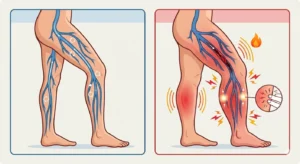
Table of Contents
- What is deep vein thrombosis?
- What are the most common signs and symptoms of DVT?
- Early warning signs of deep vein thrombosis
- Less common and unusual symptoms
- Can DVT occur without symptoms?
- What causes deep vein thrombosis?
- Who is at increased risk?
- DVT symptoms in different body locations
- DVT versus muscle strain and other conditions
- When should you seek medical attention?
- How is deep vein thrombosis diagnosed?
- Treatment options for DVT
- Complications of untreated DVT
- How can you prevent deep vein thrombosis?
- Preventing DVT during long-distance travel
- Frequently asked questions
- Summary
- Conclusion
- Medical disclaimer
- References
1. What Is Deep Vein Thrombosis?
Deep vein thrombosis (DVT) is the formation of a blood clot, medically called a thrombus, inside one of the deep veins of the body. Deep veins are blood vessels situated beneath the muscles and other tissues. They carry blood back towards the heart. DVT most frequently affects the lower extremities, particularly the calf, thigh and pelvic veins. When a clot develops, it can interfere with normal blood circulation and cause swelling, discomfort and inflammation in the affected area. Understanding DVT and pulmonary embolism DVT is part of a broader medical condition known as venous thromboembolism (VTE). VTE includes two related conditions:
- Deep vein thrombosis: A blood clot forms inside a deep vein.
- Pulmonary embolism: A portion of the clot travels through the bloodstream and blocks an artery in the lungs.
A pulmonary embolism can interfere with oxygen exchange and place considerable strain on the right side of the heart. This is why recognising deep vein thrombosis signs and symptoms is important, even when the initial discomfort appears relatively mild.
2. What Are the Most Common Signs and Symptoms of DVT?
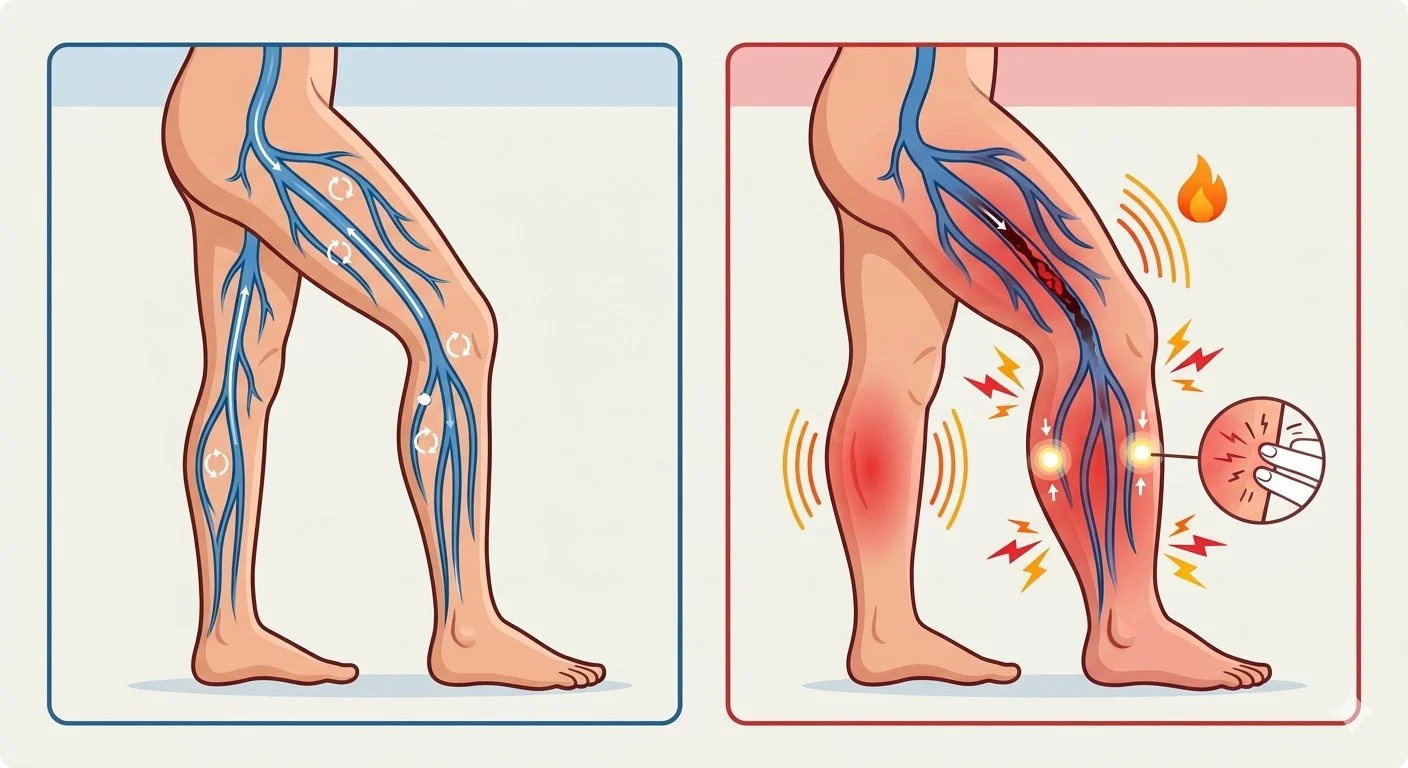
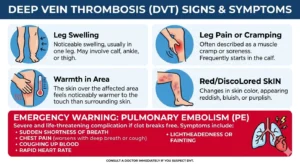
The symptoms of DVT vary according to the location, size and extent of the blood clot. The most commonly reported warning signs include:
2.1 Swelling in one leg
Unilateral leg swelling is one of the most important symptoms of DVT. The affected leg may appear visibly larger than the opposite leg because the clot obstructs venous blood return. Swelling may involve:
- The calf.
- The ankle.
- The thigh.
- The entire leg.
The swelling may develop gradually or appear relatively suddenly. It may become more noticeable after standing or walking. However, swelling is not specific to DVT. Heart failure, lymphatic disorders, infections and other conditions can also cause leg swelling.
2.2 Pain or tenderness in the calf
Some people experience pain in the calf muscle, particularly when standing, walking or moving the affected leg. The discomfort may be described as:
- A persistent ache.
- Deep muscular pain.
- Tenderness.
- A feeling of tightness.
- Unexplained heaviness.
The pain may occur without any obvious injury or strenuous physical activity. Importantly, calf pain alone cannot establish the diagnosis of DVT.
2.3 Warmth over the affected area
The skin over the affected leg may feel warmer than the surrounding skin or the opposite leg. This can occur because the clot triggers an inflammatory response in the affected vein and surrounding tissues. Localised warmth accompanied by swelling and unexplained pain should raise suspicion of DVT, particularly in someone with additional risk factors.
2.4 Redness or skin discolouration
The affected area may become:
- Red.
- Pink.
- Bluish.
- Darker than the surrounding skin.
Skin changes are not always easy to recognise, particularly in people with darker skin tones. Therefore, the absence of visible redness should not be used to rule out DVT.
2.5 Tenderness along the deep veins
Some individuals experience tenderness when the affected area is examined. The tenderness may follow the course of the deep venous system rather than being confined to one superficial spot. A healthcare professional considers this finding along with the medical history, swelling and other examination findings.
2.6 A feeling of heaviness or tightness
Some patients describe the affected leg as unusually heavy, tight or uncomfortable. This sensation may be associated with impaired venous drainage and swelling. Although heaviness is relatively nonspecific, persistent unexplained symptoms deserve attention when accompanied by other warning signs. Important: Not everyone experiences all these symptoms. Some people have only one symptom, while others have no noticeable symptoms at all.
3. Early Warning Signs of Deep Vein Thrombosis
Recognising subtle symptoms may help people seek medical evaluation before serious complications develop. Early warning signs can include:
- New swelling in one calf or leg.
- Unexplained calf discomfort.
- Tenderness without a clear injury.
- A sensation of tightness in the affected leg.
- Localised warmth.
- Redness or unusual skin discolouration.
- Increasing swelling over several hours or days.
A practical example Consider someone who has recently undergone knee surgery. After spending several days with limited mobility, the person notices that one calf has become swollen and uncomfortable. The swelling may initially be attributed to postoperative changes or muscular discomfort. However, surgery and immobility increase the risk of venous thrombosis. New or increasing unilateral swelling therefore requires prompt clinical assessment. This example illustrates why the patient’s medical history is as important as the symptoms themselves.
4. Less Common and Unusual Symptoms of DVT
Although lower-limb DVT is most common, clots can develop in other deep veins. The symptoms depend on the location of the affected vein.
4.1 DVT in the thigh or pelvis
A clot involving the proximal veins may cause:
- Swelling of the entire leg.
- Pain extending from the groin towards the thigh.
- A feeling of heaviness.
- Extensive leg discomfort.
Pelvic vein thrombosis may occasionally cause lower abdominal, pelvic or groin discomfort.
4.2 Upper-extremity DVT
DVT can also develop in the deep veins of the arm. Possible symptoms include:
- Swelling of one arm.
- Pain in the shoulder or upper arm.
- Arm heaviness.
- Skin warmth.
- Bluish or reddish discolouration.
- Prominent superficial veins around the shoulder or chest.
Upper-extremity DVT may be associated with central venous catheters, certain medical devices, cancer or repetitive strenuous arm activity.
4.3 Superficial vein thrombosis versus DVT
A condition called superficial thrombophlebitis occurs when a clot and inflammation develop in a superficial vein situated close to the skin. It may cause:
- A painful red area.
- Localised warmth.
- A tender, firm cord-like vein.
Although superficial thrombosis is different from DVT, the two conditions can sometimes coexist. Certain superficial clots can also extend into the deep venous system. Medical evaluation is therefore important when a new painful or swollen vein appears.
5. Can Deep Vein Thrombosis Occur Without Symptoms?
Yes. One of the most important facts about DVT is that it can develop without obvious symptoms. According to the US Centers for Disease Control and Prevention (CDC), approximately half of people with DVT do not experience noticeable symptoms. An asymptomatic blood clot may be discovered incidentally during imaging performed for another medical reason. This has several important implications:
- Absence of leg pain does not completely exclude DVT.
- Absence of swelling does not guarantee that the deep veins are normal.
- People with significant risk factors may need preventive assessment even when they feel well.
- Postoperative patients should follow the prescribed thrombosis prevention plan.
A person should not wait for severe pain or extensive swelling before seeking medical advice when significant risk factors are present.
6. What Causes Deep Vein Thrombosis?
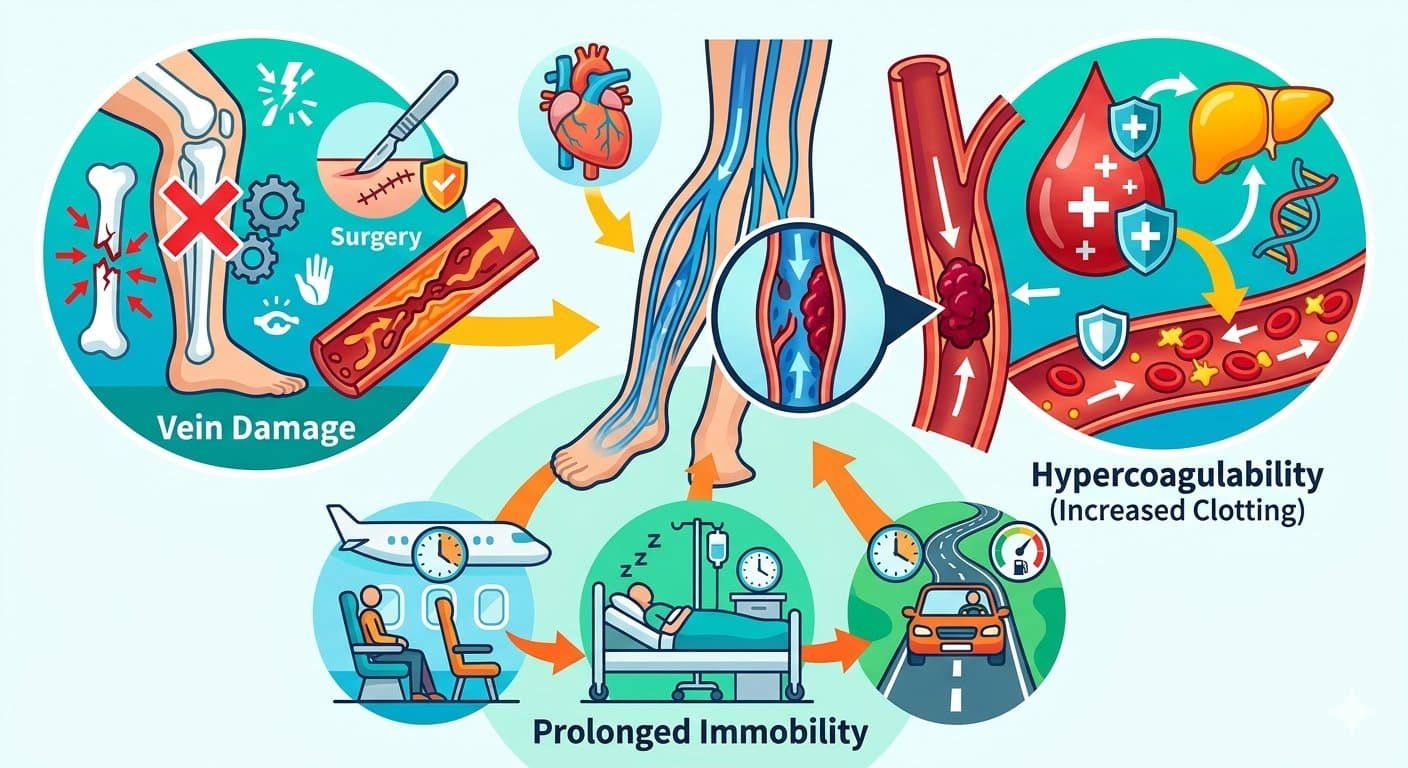
DVT usually develops when normal blood clotting mechanisms become disturbed. Three major mechanisms are traditionally described by Virchow’s triad.
6.1 Venous stasis
Venous stasis means slowing or pooling of blood within the veins. Normally, leg muscles contract during walking and help push blood towards the heart. When someone remains immobile for extended periods, blood circulation in the legs may slow down. Examples include:
- Prolonged bed rest.
- Hospitalisation.
- Recovery after major surgery.
- Long-distance travel.
- Paralysis.
- Wearing a leg cast.
Sluggish blood flow increases the likelihood of clot formation in susceptible individuals.
6.2 Endothelial injury
The endothelium is the thin inner lining of blood vessels. Damage to this lining can activate the blood clotting process. Potential causes include:
- Major surgery.
- Bone fractures.
- Severe trauma.
- Injury to blood vessels.
- Certain intravenous catheters.
6.3 Hypercoagulability
Hypercoagulability refers to an increased tendency of blood to form clots. It can occur due to:
- Inherited clotting disorders.
- Active cancer.
- Pregnancy.
- Oestrogen-containing medications.
- Certain inflammatory conditions.
- Some medical treatments.
Often, DVT develops because several of these mechanisms operate together rather than because of a single isolated cause.
7. Who Is at Increased Risk of Deep Vein Thrombosis?
Almost anyone can develop DVT, but certain circumstances increase the likelihood.
7.1 Recent surgery
Major operations, particularly those involving the abdomen, pelvis, hips and lower limbs, can increase thrombosis risk. The risk may remain elevated during the recovery period.
7.2 Prolonged immobility
People who remain in bed for extended periods may develop venous stasis. This includes patients recovering from serious illness, stroke, injury or major surgery.
7.3 Long-distance travel
Sitting for more than four hours during air, road, bus or train travel may increase the risk of blood clots. The risk is particularly relevant when additional factors are present.
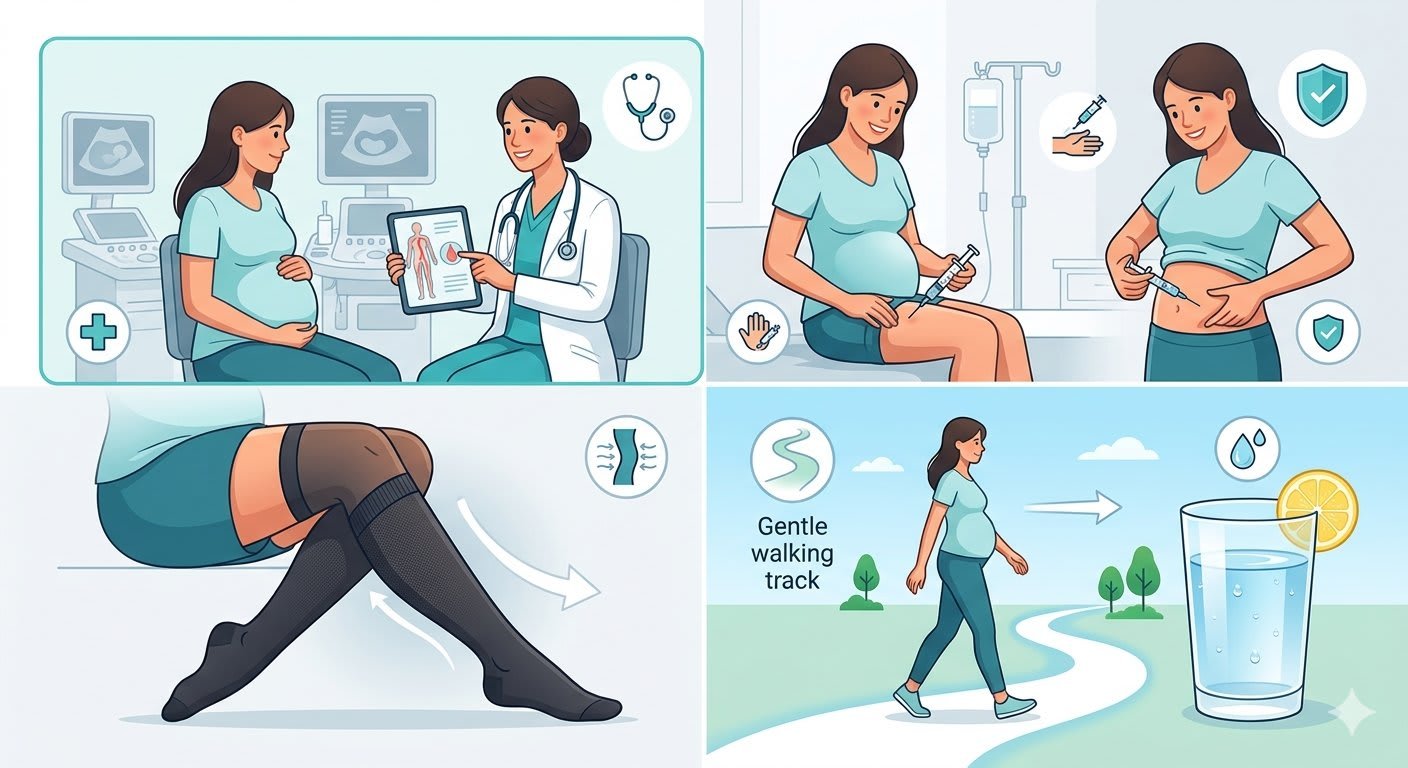
7.4 Pregnancy and the postpartum period
Pregnancy changes the body’s clotting mechanisms. Blood becomes more prone to clotting as part of the body’s preparation to reduce bleeding during childbirth. Reduced mobility, hormonal changes and pressure from the enlarging uterus may also contribute. The increased risk can continue after delivery, particularly during the first six weeks, although elevated risk may persist longer in some individuals.
7.5 Cancer
Some cancers increase the production of substances that promote blood clotting. Cancer-related inflammation, chemotherapy, surgery and prolonged hospitalisation may further increase the risk.
7.6 Hormonal medications
Oestrogen-containing contraceptives and hormone replacement therapy may increase the risk of venous thrombosis. The individual risk depends on factors such as age, smoking, medical history and the type of medication.
7.7 Obesity
Excess body weight is associated with an increased risk of venous thromboembolism. The risk may become greater when obesity is combined with immobility, surgery or other medical conditions.
7.8 Previous DVT or pulmonary embolism
People who have experienced a previous venous thromboembolic event may have an increased risk of recurrence. The likelihood depends on whether the original event was associated with a temporary trigger, persistent risk factors or no identifiable provoking factor.
7.9 Inherited thrombophilia
Some inherited conditions increase blood clotting tendency. Examples include:
- Factor V Leiden.
- Prothrombin gene mutation.
- Antithrombin deficiency.
- Protein C deficiency.
- Protein S deficiency.
Not everyone with an inherited thrombophilia develops DVT, and testing is not routinely required for every patient.
7.10 Increasing age
The incidence of DVT generally increases with age, partly because chronic illnesses, reduced mobility and hospitalisation become more common. Having multiple risk factors at the same time is particularly important.
8. DVT Symptoms in Different Body Locations
| Location | Possible symptoms |
|---|---|
| Calf | Pain, swelling, tenderness and warmth |
| Thigh | Pain, heaviness and extensive leg swelling |
| Pelvis | Pelvic discomfort, groin pain and leg swelling |
| Arm | Arm swelling, pain, warmth and prominent veins |
| Upper chest veins | Swelling or prominent superficial veins around the shoulder and chest |
The location of the clot can influence both the symptoms and the diagnostic approach.
9. DVT Versus Muscle Strain and Other Conditions
Several conditions can produce symptoms similar to DVT. This is one reason why a clinical examination and appropriate investigations are necessary.
| Condition | Features that may help distinguish it |
|---|---|
| DVT | Unilateral swelling, tenderness, warmth and relevant clotting risk factors |
| Muscle strain | Often follows physical activity or injury; pain may increase with muscle contraction |
| Cellulitis | Skin redness, warmth, tenderness and sometimes fever |
| Baker’s cyst | Swelling or discomfort behind the knee; rupture can mimic DVT |
| Superficial thrombophlebitis | Tender, firm superficial vein with local redness |
| Chronic venous insufficiency | Often causes long-standing swelling, skin changes and varicose veins |
These differences are not reliable enough for self-diagnosis. For example, a ruptured Baker’s cyst may produce calf pain and swelling that closely resembles DVT. Likewise, cellulitis and DVT may sometimes occur together. When a blood clot is suspected, appropriate testing is more reliable than attempting to identify the cause from symptoms alone.
10. When Should You Seek Medical Attention?
Knowing when to seek help is particularly important because DVT can lead to pulmonary embolism.
10.1 When to seek urgent medical assessment
Seek prompt medical assessment if you develop:
- New unexplained swelling in one leg.
- Persistent calf or thigh pain without a clear explanation.
- Unilateral leg warmth and tenderness.
- New arm swelling or discomfort.
- Sudden symptoms following surgery, hospitalisation or prolonged immobility.
Do not wait several days to see whether the symptoms disappear.
10.2 Emergency warning signs of pulmonary embolism
A pulmonary embolism occurs when a clot travels to the lungs and blocks blood flow through a pulmonary artery. Seek emergency medical assistance immediately if you experience:
1. Sudden shortness of breath
Breathlessness that develops suddenly, particularly at rest, may indicate a pulmonary embolism.
2. Chest pain
Chest pain may become worse during deep breathing or coughing.
3. Coughing up blood
Blood-streaked sputum or haemoptysis can occur in pulmonary embolism.
4. Rapid or irregular heartbeat
An unexpectedly fast heartbeat may occur as the body responds to impaired pulmonary circulation.
5. Dizziness or fainting
Severe pulmonary embolism may reduce blood pressure and impair blood supply to the brain.
6. Severe weakness or collapse
A large pulmonary embolism can cause circulatory instability and may be life-threatening. In India, call 112 or your local emergency ambulance service when severe symptoms occur. Do not attempt to drive yourself to the hospital if you are experiencing severe breathlessness, chest pain or fainting. Importantly, pulmonary embolism can occur even without noticeable leg symptoms.
11. How Is Deep Vein Thrombosis Diagnosed?
DVT cannot be reliably diagnosed by symptoms alone. Doctors combine the patient’s medical history, physical examination and diagnostic investigations.
11.1 Medical history and physical examination
The doctor may ask about:
- When the symptoms started.
- Whether one or both legs are affected.
- Recent surgery or hospitalisation.
- Previous blood clots.
- Cancer or cancer treatment.
- Pregnancy or hormonal medications.
- Recent long-distance travel.
- Family history of thrombosis.
The examination may include assessment of leg circumference, swelling, tenderness, skin temperature and visible veins.
11.2 Wells score for DVT
The two-level DVT Wells score is a clinical prediction tool used to estimate the probability of DVT. It considers findings such as:
- Active cancer.
- Recent major surgery.
- Prolonged immobilisation.
- Tenderness along the deep venous system.
- Entire leg swelling.
- Calf circumference difference of at least 3 cm.
- Pitting oedema confined to the symptomatic leg.
- Previous documented DVT.
An alternative diagnosis that is at least as likely as DVT reduces the score. A score of 2 or more indicates DVT is likely, while a score of 1 or less indicates DVT is unlikely under the two-level system. This is a clinical assessment tool, not a self-diagnosis questionnaire.
11.3 D-dimer blood test
D-dimer is a protein fragment produced when the body breaks down cross-linked fibrin in a blood clot. A negative D-dimer result, when used appropriately in someone with a low or unlikely clinical probability, can help exclude DVT. However, a positive D-dimer result does not prove that a blood clot is present. D-dimer levels can also increase with:
- Increasing age.
- Pregnancy.
- Infection.
- Cancer.
- Recent surgery.
- Inflammation.
- Trauma.
Therefore, the result must be interpreted in the context of clinical probability. Age-adjusted thresholds may be considered in people older than 50 years, depending on the testing pathway.
11.4 Venous Doppler ultrasound
Compression ultrasonography, commonly performed as part of a venous duplex Doppler examination, is the principal imaging investigation used to diagnose lower-limb DVT. It uses sound waves to assess venous blood flow and determine whether a vein can be compressed normally. A vein containing a thrombus may not compress normally. The examination can help identify the location and extent of the clot. It is non-invasive and does not involve ionising radiation.
11.5 Why might a repeat ultrasound be required?
A negative initial proximal-vein ultrasound does not always end the evaluation. If the D-dimer is positive and clinical suspicion remains, some diagnostic pathways recommend repeating proximal-vein ultrasound after approximately 6–8 days. This is because an initially undetected distal clot may extend into the proximal veins. The need for repeat imaging depends on the initial findings and the diagnostic protocol being followed.
11.6 Other investigations
Depending on the clinical situation, doctors may consider:
- Whole-leg venous ultrasound.
- CT venography.
- MR venography.
- Additional investigations for suspected pulmonary embolism.
A suspected pulmonary embolism may require a separate diagnostic pathway, including CT pulmonary angiography when appropriate.
12. Treatment Options for Deep Vein Thrombosis
Treatment aims to prevent clot extension, reduce the risk of pulmonary embolism and prevent recurrent thrombosis.
12.1 Anticoagulant medications
Anticoagulants, commonly called blood thinners, are the main treatment for most patients with confirmed DVT. They reduce the blood’s ability to form additional clots and allow the body’s natural processes to gradually break down the existing clot. Commonly used medications include:
- Apixaban.
- Rivaroxaban.
- Dabigatran.
- Edoxaban.
- Low-molecular-weight heparin.
- Unfractionated heparin.
- Warfarin.
The choice depends on the patient’s kidney and liver function, pregnancy status, bleeding risk, cancer status, other medications and financial circumstances.
12.2 How long does DVT treatment last?
Many patients with DVT require at least three months of anticoagulant treatment. However, the duration depends on the cause of thrombosis and the risk of recurrence versus bleeding. For example:
- DVT associated with a temporary risk factor may require a defined treatment course.
- Unprovoked DVT may require consideration of extended treatment.
- Recurrent thrombosis or persistent risk factors may justify longer treatment.
The decision should be individualised.
12.3 Thrombolytic therapy
Thrombolytic medications help dissolve blood clots. They are not routinely required for every DVT. They may be considered in selected patients with extensive thrombosis, particularly when there is severe limb-threatening venous obstruction. The risk of serious bleeding must be carefully considered.
12.4 Catheter-directed treatment and thrombectomy
Selected patients may undergo endovascular procedures to remove or reduce the clot burden. These procedures are generally reserved for particular clinical situations rather than uncomplicated DVT.
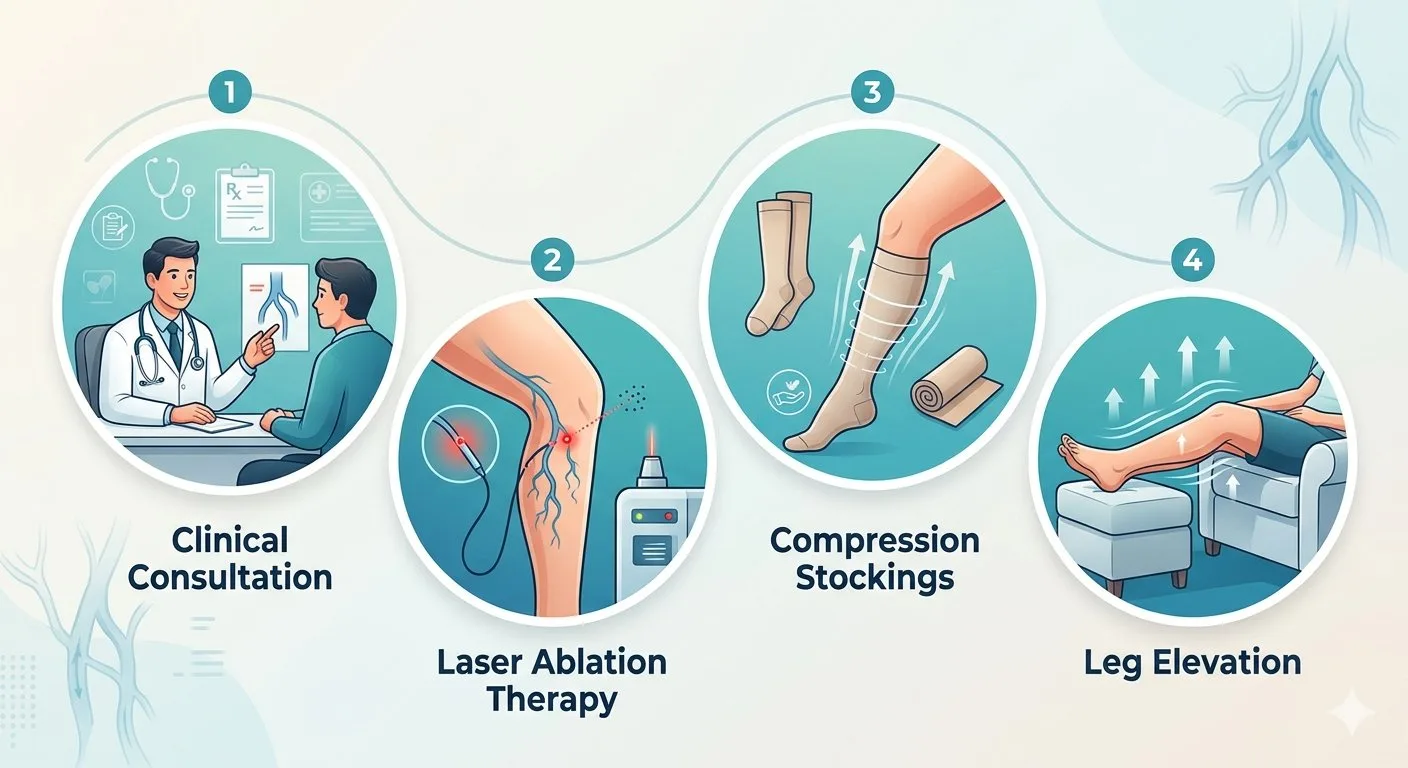
12.5 Compression stockings
Graduated compression stockings may be recommended in selected patients to help manage swelling or other symptoms. They should not be considered a substitute for anticoagulant treatment. Routine use solely to prevent post-thrombotic syndrome is not recommended for every patient.
13. Complications of Untreated Deep Vein Thrombosis
DVT is important not only because of the immediate symptoms but also because of its possible complications.
13.1 Pulmonary embolism
This is the most serious acute complication. A portion of the clot may detach, travel through the venous circulation and lodge in the pulmonary arteries. A large pulmonary embolism can cause severe breathlessness, low blood pressure, right-heart strain and death.
13.2 Post-thrombotic syndrome
Post-thrombotic syndrome (PTS) is a long-term complication that may develop following DVT. The clot can damage venous valves and interfere with normal blood return. Possible symptoms include:
- Persistent leg swelling.
- Aching or heaviness.
- Skin discolouration.
- Itching.
- Skin thickening.
- Venous ulcers in severe cases.
Symptoms may become more noticeable after prolonged standing.
13.3 Recurrent DVT
Some patients experience another episode of venous thrombosis after their initial event. The risk depends on the original cause, persistent medical conditions and other individual factors.
13.4 Chronic thromboembolic pulmonary hypertension
Following pulmonary embolism, some patients develop persistent obstruction and remodelling of the pulmonary arteries. This can lead to chronic thromboembolic pulmonary hypertension (CTEPH), a serious condition that may cause progressive breathlessness and right-sided heart strain. Persistent or worsening breathlessness after pulmonary embolism requires medical evaluation.
14. How Can You Prevent Deep Vein Thrombosis?
Although not every episode can be prevented, several measures can reduce the risk.
14.1 Maintain regular physical activity
Walking and regular movement activate the calf muscle pump and help promote venous blood return. Avoid remaining seated or immobile for unnecessarily long periods.
14.2 Move early after surgery
When medically appropriate, early mobilisation after surgery or hospitalisation can help reduce venous stasis. Follow the mobilisation instructions provided by the treating medical team.
14.3 Follow hospital thrombosis prevention advice
Hospitals assess patients for their individual risk of venous thromboembolism. Depending on the situation, preventive measures may include:
- Pharmacological prophylaxis.
- Intermittent pneumatic compression devices.
- Graduated compression stockings in selected patients.
- Early mobilisation.
Blood-thinning medication should only be used when prescribed.
14.4 Maintain a healthy body weight
Maintaining a healthy weight and engaging in regular physical activity may reduce several risk factors associated with venous thrombosis.
14.5 Avoid smoking
Smoking cessation is beneficial for overall vascular health.
14.6 Discuss hormonal medications with your doctor
People with previous DVT or other significant risk factors should discuss the risks and benefits of oestrogen-containing contraceptives or hormone replacement therapy before starting treatment.
14.7 Do not self-prescribe aspirin or anticoagulants
Aspirin is not an appropriate substitute for anticoagulant prophylaxis in most situations involving venous thrombosis. Taking anticoagulants without a proper medical indication may cause serious bleeding.
15. How Can You Prevent DVT During Long-Distance Travel?
Long journeys lasting more than four hours can increase the risk of venous thrombosis, particularly when additional risk factors are present. Practical measures include:
- Get up and walk periodically when possible.
- Exercise your calf muscles while seated.
- Move your ankles up and down regularly.
- Avoid remaining in one position for the entire journey.
- Wear comfortable, non-restrictive clothing.
- Maintain normal hydration.
- Discuss individual preventive measures with your doctor if you have previously experienced DVT or have other significant risk factors.
Simple exercises during travel
Ankle pumps
Move your toes towards your body and then point them away.
Heel raises
Keep your toes on the floor and raise your heels.
Toe raises
Keep your heels on the floor and lift your toes.
Leg muscle contractions
Tighten and relax the thigh and calf muscles periodically. These exercises help activate the leg muscles while sitting. People with previous DVT, recent surgery, cancer, pregnancy or multiple risk factors should obtain individual medical advice before long-distance travel. Do not start aspirin or anticoagulant medication specifically for travel without consulting a healthcare professional.
16. Frequently Asked Questions About Deep Vein Thrombosis Signs and Symptoms
1. What are the first signs of deep vein thrombosis?
The first noticeable signs may include unexplained swelling, pain, tenderness, warmth or redness in one leg. Some patients experience only mild discomfort, while others have no symptoms.
2. Can DVT cause pain in only one leg?
Yes. DVT commonly affects one leg. Unilateral calf or thigh pain accompanied by swelling and warmth should prompt medical assessment.
3. Can you have DVT without swelling?
Yes. Swelling is common but not essential for diagnosis. Some people with DVT experience pain or tenderness without obvious swelling, and others have no symptoms.
4. Is calf pain always a sign of DVT?
No. Calf pain can result from muscle strain, injury, dehydration, nerve problems and other conditions. However, unexplained calf pain accompanied by swelling, warmth or relevant risk factors requires prompt evaluation.
5. Can deep vein thrombosis occur in the arm?
Yes. Upper-extremity DVT can develop in the deep veins of the arm, particularly in people with central venous catheters, cancer or certain other risk factors.
6. Can DVT cause redness and warmth without pain?
Yes. Symptoms vary between individuals. Redness and warmth may occur even when pain is mild or absent.
7. Can a blood clot travel from the leg to the lungs?
Yes. A portion of a DVT clot can break away and travel through the venous circulation to the pulmonary arteries, causing pulmonary embolism.
8. How quickly can DVT become dangerous?
There is no predictable time interval. A clot may remain in the vein, extend or lead to pulmonary embolism. Anyone with suspected DVT should seek prompt medical evaluation rather than waiting for symptoms to worsen.
9. Which test confirms deep vein thrombosis?
Venous compression ultrasonography is the principal imaging investigation used to identify DVT. D-dimer testing helps exclude DVT in selected patients but cannot independently confirm the diagnosis.
10. Can DVT disappear without treatment?
Some clots may partially or completely resolve through the body’s natural clot breakdown mechanisms. However, relying on spontaneous resolution is unsafe because the clot may extend or cause pulmonary embolism. Medical assessment is important.
11. Can walking help prevent DVT?
Regular walking activates the calf muscle pump and promotes venous circulation. Early mobilisation is encouraged when medically appropriate, particularly after surgery or prolonged bed rest. However, walking is not a treatment for an already suspected or confirmed clot.
12. Can DVT occur after a long flight?
Yes. Prolonged immobility during air travel can increase the risk, particularly in people with additional risk factors. Similar risks can occur during long car, bus and train journeys.
13. Can DVT occur during pregnancy?
Yes. Pregnancy and the postpartum period increase the risk of venous thromboembolism because of hormonal changes, increased clotting tendency and other physiological factors.
14. Does a normal-looking leg rule out DVT?
No. Some patients have no visible swelling or skin discolouration. A normal appearance cannot independently exclude DVT.
15. What is the difference between DVT and pulmonary embolism?
DVT is a blood clot inside a deep vein, usually in the leg. Pulmonary embolism occurs when a clot travels to the lungs and obstructs pulmonary blood flow. Both are forms of venous thromboembolism.
16. Can DVT occur again after successful treatment?
Yes. Recurrent DVT is possible. The likelihood depends on the original cause, ongoing risk factors and the individual treatment plan.
17. Is DVT life-threatening?
DVT can become life-threatening if a clot travels to the lungs and causes pulmonary embolism. Prompt diagnosis and appropriate treatment substantially reduce the risk of serious complications.
18. Should I massage a swollen leg if I suspect DVT?
No. Do not attempt to treat unexplained unilateral leg swelling with vigorous massage. Seek prompt medical assessment to determine the cause.
17. Summary: Deep Vein Thrombosis Signs and Symptoms
Deep vein thrombosis is a potentially serious condition involving blood clot formation in the deep veins, most commonly in the legs. The important warning signs include:
- Swelling in one leg.
- Unexplained calf or thigh pain.
- Tenderness.
- Increased skin temperature.
- Redness or discolouration.
- A sensation of heaviness or tightness.
However, DVT can occur without noticeable symptoms. People with recent surgery, prolonged immobility, cancer, pregnancy, previous thrombosis or other risk factors should be particularly alert. Venous ultrasound is the principal imaging investigation used to diagnose DVT, while D-dimer testing helps guide the diagnostic process in selected patients. Anticoagulants are the mainstay of treatment for most patients. Sudden breathlessness, chest pain, coughing up blood, fainting or collapse may indicate pulmonary embolism and require immediate emergency medical attention.
18. Conclusion
Recognising deep vein thrombosis signs and symptoms can make an important difference in preventing serious complications. Although unilateral leg swelling, calf pain, tenderness and warmth are common warning signs, the condition may also develop without obvious symptoms. Individuals who have recently undergone surgery, experienced prolonged immobility, travelled long distances or have other recognised risk factors should be particularly attentive to new symptoms. A clinical examination, appropriate D-dimer testing and venous ultrasound help establish the diagnosis. Most importantly, do not ignore unexplained swelling or pain in one leg, and never delay emergency medical care when symptoms suggest pulmonary embolism. Early medical assessment, appropriate anticoagulant treatment and individualised prevention strategies can significantly reduce the risk of serious outcomes.
19. Medical Disclaimer
This article is intended for general educational and informational purposes only. It does not replace an individual medical consultation, physical examination or diagnostic investigation. The symptoms discussed in this article may occur in several medical conditions. A person experiencing suspected DVT should seek prompt medical assessment. Sudden breathlessness, chest pain, coughing up blood, fainting or collapse requires immediate emergency medical attention. Do not start, stop or change anticoagulant medication, aspirin or other blood-thinning treatment without advice from a qualified healthcare professional.
20. References and Further Reading
The following authoritative resources were consulted while preparing this article.
- Centers for Disease Control and Prevention (CDC) – About Venous Thromboembolism (Blood Clots). https://www.cdc.gov/blood-clots/about/
- CDC – Risk Factors for Blood Clots. https://www.cdc.gov/blood-clots/risk-factors/
- CDC – Testing and Diagnosis for Venous Thromboembolism. https://www.cdc.gov/blood-clots/testing-diagnosis/
- CDC – Understanding Your Risk for Blood Clots with Travel. https://www.cdc.gov/blood-clots/risk-factors/travel.html
- National Health Service (NHS) – Deep Vein Thrombosis (DVT). https://www.nhs.uk/conditions/deep-vein-thrombosis-dvt/
- National Institute for Health and Care Excellence (NICE) – Venous Thromboembolic Diseases: Diagnosis, Management and Thrombophilia Testing, Guideline NG158. https://www.nice.org.uk/guidance/ng158/chapter/recommendations
- American Heart Association (AHA) – Symptoms, Diagnosis, Prevention and Treatment of Venous Thromboembolism. https://www.heart.org/en/health-topics/venous-thromboembolism/symptoms-and-diagnosis-of-vte
- National Academy of Medical Sciences, India – NAMS Task Force Report on Venous Thromboembolism. Annals of the National Academy of Medical Sciences (India), 2024;60:34–70. https://nams-annals.in/nams-task-force-report-venous-thromboembolism/
- National Heart, Lung, and Blood Institute (NHLBI), NIH – Preventing Blood Clots. https://www.nhlbi.nih.gov/health/venous-thromboembolism/preventing-blood-clots
Recommended educational video
For additional patient education, readers can watch:
Do I Have a Blood Clot or DVT? Signs & Symptoms – Talking With Docs (YouTube)
This video discusses the warning signs, risk factors and complications of blood clots. DEEP VEIN THROMBOSIS – WARNING SIGNS Leg swelling Usually one-sided Warmth Increased skin temperature Calf pain Unexplained tenderness Discolouration Red, blue or darker skin EMERGENCY Sudden breathlessness + chest pain + fainting Possible pulmonary embolism. Seek immediate emergency medical assistance. Research and publication notes
Medical Disclaimer:
This article is for educational purposes only and does not replace professional medical advice, diagnosis or treatment. Consult a qualified healthcare professional for medical concerns. Seek immediate emergency care if you experience symptoms of pulmonary embolism.📲 For Health-Related Articles & Videos
🔹 Facebook: https://www.facebook.com/positivemind.healthcare 🔹 YouTube: http://www.youtube.com/@healthuseful8539/
ENT Consultation & Surgery
Dr. Sagar Rajkuwar (MS-ENT) Consultant ENT Specialist & Head-Neck Surgeon Prabha ENT Clinic, Ambad, Nashik, Maharashtra, India 📱 7387590194 | 9892596635 🌐 www.entspecialistinnashik.com