Runny nose after Tonsillectomy and adenoidectomy
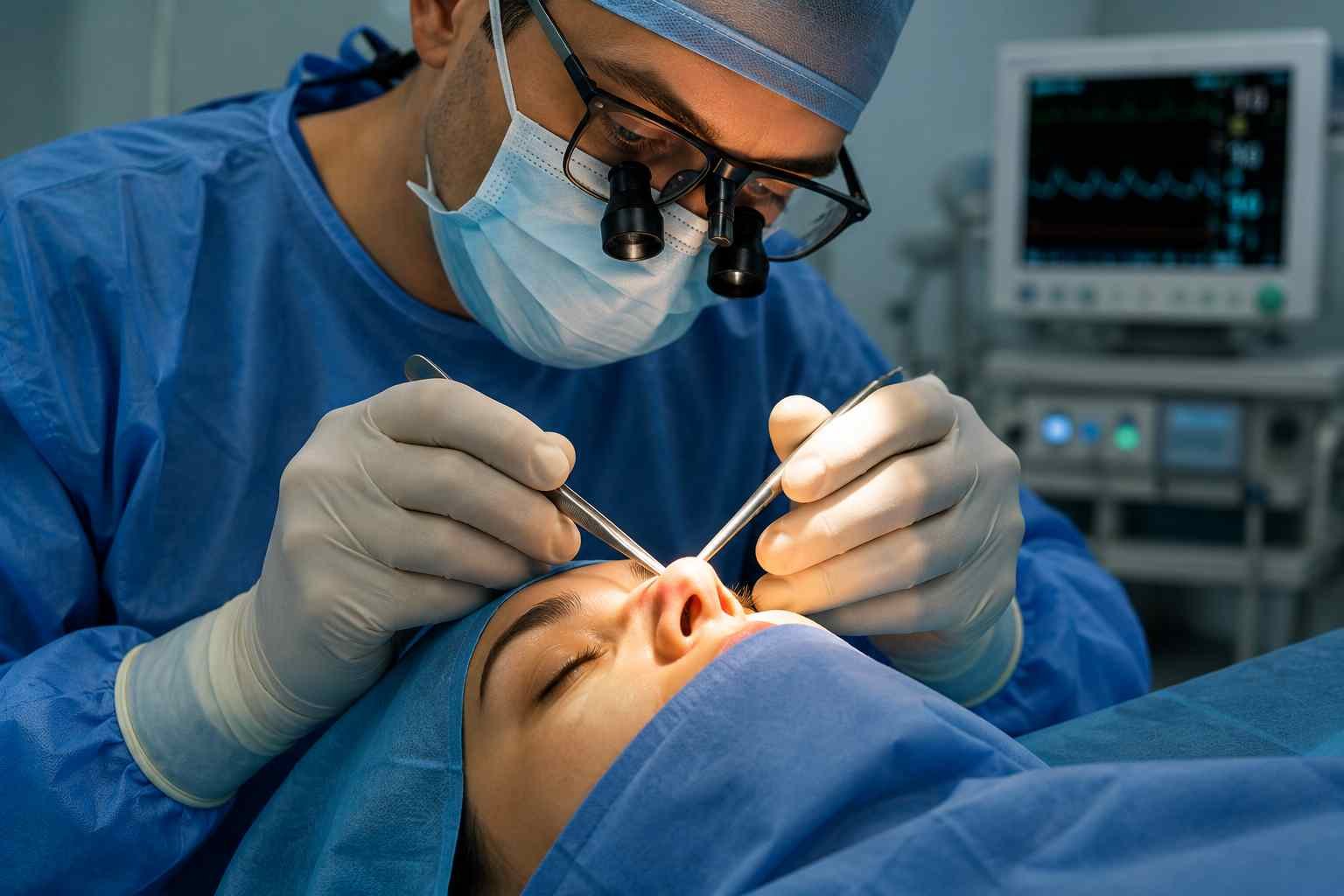
A runny nose is a common and anticipated adverse effect following tonsillectomy and adenoidectomy that is mostly caused by tissue edema and healing in the area. Usually, this symptom resolves spontaneously after 7 to 14 days.
Author: Dr Sagar Rajkuwar, ENT Specialist, Nashik, Maharashtra, India
🌐 www.entspecialistinnashik.com
Table of Contents
- Why Does a Runny Nose Occur After Tonsillectomy and Adenoidectomy?
- How Long Does a Runny Nose Last After Tonsillectomy and Adenoidectomy?
- Is Nasal Congestion Normal After Adenoidectomy?
- Can You Blow Your Nose After Adenoidectomy?
- Can You Sneeze After Tonsillectomy and Adenoidectomy?
- Guidelines for Recovery
- What to Expect During Recovery
- Nasal Speech After Adenoidectomy
- Ear Pain After Tonsillectomy
- Bad Breath After Tonsillectomy
- Sore Throat After Tonsillectomy
- Fever After Tonsillectomy and Adenoidectomy
- Hydration After Tonsillectomy and Adenoidectomy
- Diet and Foods After Tonsillectomy
- Constipation After Tonsillectomy
- Activity After Tonsillectomy and Adenoidectomy
- Bleeding After Tonsillectomy: When Is It an Emergency?
- When to Contact Your Doctor
- When to Seek Emergency Care
- Recovery Timeline
- Key Takeaway
1)Post-Tonsillectomy and Adenoidectomy Runny Nose
After tonsillectomy and adenoidectomy, a runny nose or nasal discharge may occur during recovery. Post-operative edema, irritation, mucus production, transient alterations in nasal airflow, or the healing process following adenoid removal may be the cause of nasal symptoms.
As healing continues, these symptoms often improve slowly. However, the surgeon should be consulted about any persistent or worsening nasal discharge, especially if it is accompanied by other unsettling symptoms like fever, facial discomfort, or respiratory issues.
What Causes a Runny Nose After Adenoidectomy?
After surgery, many variables might cause nasal discharge:
- Swelling after surgery: Edema in the nose and nasopharynx may momentarily interfere with normal mucous drainage.
- The area behind the nose needs time to recover following adenoidectomy.
- More mucus: During recuperation, the nose may temporarily create more discharge.
- Dry air, mouth breathing, coughing, and throat irritation can all lead to nasal problems.
- Sometimes a runny nose after surgery is not related to the procedure at all and is just a sign of a viral illness.
A runny nose does not always signify infection by itself.
2)How Long Does a Runny Nose Last After Tonsillectomy and Adenoidectomy?
Most of the time, nasal discharge is only short-lived. While the precise recovery period varies, many individuals report improvement in the first one to two weeks.
The overall recovery period following tonsillectomy may be extended, particularly in older children and adults. During this time, you may experience pain, throat discomfort, voice changes, poor breath, and a lower appetite.
Contact the treating clinician if nasal discharge continues, gets thick or foul-smelling, or is accompanied by fever or increasing discomfort.
3)Is Nasal Congestion Normal After Adenoidectomy?
Yes. Because the tissues around the surgical site might swell during the healing process, nasal congestion may persist for a short time following an adenoidectomy.
Patients may also experience:
- blockage of the nose
- Higher mucus
- drainage in the postnasal area
- Temporary shifts in the voice
- Breathing through the mouth
- A feeling of nasal stuffiness
As the postoperative swelling subsides, these symptoms usually get better.
4)Can You Blow Your Nose After Adenoidectomy?
Adhere to the exact guidelines given by your surgeon. To prevent discomfort or irritation during the early postoperative period, patients should normally refrain from blowing their nose hard.
If you need to unclog your nose, use moderate techniques. Depending on the patient’s age and surgical findings, a surgeon may advise a saline spray or other procedures.
5)Can You Sneeze After Tonsillectomy and Adenoidectomy?
Sneezing may happen following surgery. Sneezing should not be fully suppressed by patients.
Sneeze softly if at all possible, and adhere to the surgeon’s postoperative advice. Children should be observed because powerful coughing, sneezing, or blowing one’s nose during the initial healing period might be unpleasant.
6)Guidelines for Recovery
- Don’t allow the patient to blow their nose hard for at least a week after surgery. Be gentle with them.
- Remind them to open their mouth wide when coughing or sneezing to ease the pressure.
- Humidity: Soothe nasal passages using a cool-mist humidifier in the room or doctor-approved nasal saline sprays.
7)What to Expect During Recovery
1. Sore Throat:
- This typically worsens after the second day and can linger for 7–10 days. It’s
- because of a lack of hydration during the night, it is typically worse in the mornings. Occasionally, a humidifier
- helps with it. Remember that taking your pain medication as directed is essential for adequate pain management.
- Refer to the post-op pain management form. Discomfort can be alleviated by ice packs.
2. Fever
- typically occurs at night during the first post-operative days. It’s crucial to
- Since drinking helps lower your fever, make sure you do so. Motrin or Tylenol may be used to lower the temperature. (Become
- aware that Lortab or Tylenol with Codeine must be used alternately with Tylenol in order to avoid administering excessive amounts
- Acetominophen
3. Nasal Speech –
- This might happen within a few days of surgery as the palate begins to shut off the nasal passages.
- the area where the tonsils and/or adenoids once were located.
4. Ear ache:
- Adults are more prone to experiencing this condition between post-operative days 3 and 5. This occurs when
- “sympathy” or referred pain from the throat since the nerves that innervate the tonsil also provide sensation to the throat.
- ear. (Call if it is bad since I can give you a drop to numb the ear canal and eardrum.)
5. Halitosis –
- Halitosis typically lasts for about a week following the initial one or two days, because of the.
- the tonsil removal site’s scab. It’s fine to brush your teeth lightly, but the smell won’t go away until then.
- The scabs are gone. When you examine the back of the throat, you will notice that the scabs are white, gray,
- It may resemble pus and be yellow, but this is typical for a scab in the mouth.
6. Constipation –
The combination of diminished food and activity and pain medicine can cause postoperative constipation. We suggest a glycerin suppository for kids or an OTC Miralax. Should this be the case?
Please call if it doesn’t work.
7. Runny Nose and Nasal Discharge
Temporary nasal discharge or congestion can occur during healing after adenoidectomy. It generally improves as postoperative swelling settles.
8)Nasal Speech After Adenoidectomy
After an adenoidectomy, a patient may briefly experience a shift in their voice.
Because the tissues around the nasopharynx are still adjusting after surgery and are swollen, the voice may seem more nasal. Usually, this gets better as the wound heals.
The surgeon should examine any persistent or substantial voice changes, especially if there is a worry about aberrant airflow through the nose while speaking. Postoperative evaluation may involve changes in voice, breathing, and swallowing, according to the AAO-HNS.
9)Ear Pain After Tonsillectomy
Earache is typical following tonsillectomy and does not always point to an ear infection.
The ear can experience referred pain from the throat because the ear and the tonsillar region share sensory nerve pathways. After surgery, this can become extremely obvious after a few days.
The treating physician, however, should be consulted if there is severe ear discomfort, discharge from the ear, substantial changes in hearing, or other unusual symptoms.
10)Bad Breath After Tonsillectomy
Poor breath is frequent following a tonsillectomy.
A white, yellow, or grey coating on the tonsil beds may be a symptom of normal healing. It may resemble pus, however the look alone doesn’t rule out an illness.
The scent typically gets better as the surgical sites recover.
Good oral hygiene should be followed according to the doctor’s recommendations. Avoid vigorously brushing or bothering the recuperating surgical areas.
11)Sore Throat After Tonsillectomy
After a tonsillectomy, a really bad sore throat is typical.
During rehabilitation, pain might change and may be especially problematic a few days after surgery. It is critical to drink enough water and adhere to the recommended pain management strategy.
Dehydration and throat pain might be exacerbated by a low fluid intake.
The AAO-HNS highlights caregiver education and postoperative pain management following tonsillectomy.
12)Fever After Tonsillectomy and Adenoidectomy
A mild rise in temperature might happen right after surgery.
However, a high or persistent fever should be reported to the surgeon, especially when it is accompanied by increasing discomfort, dehydration, respiratory problems, or other troubling symptoms.
The adenoidectomy advice from the AAO-HNS plainly specifies a prolonged temperature of greater than 102°F (38.9°C) as grounds for calling the surgeon.
13)Hydration After Tonsillectomy and Adenoidectomy
One of the most crucial components of healing is hydration.
According to the surgeon’s orders, encourage plenty of fluids. Good choices are determined by the patient’s age and tolerance level.
Signs of dehydration can include:
- Extremely small amount of urine
- urine that is dark
- Xerostomia
- Kids’ Lack of Tears
- Increasing exhaustion or weakness
- Refusal or inability to drink
In the event that the patient is unable to consume enough fluids, get in touch with the attending physician right away. After adenoidectomy and tonsillectomy, dehydration is a known postoperative issue.
14)Diet and Foods After Tonsillectomy and Adenoidectomy
What Foods Can You Eat After Tonsillectomy?
After surgery, patients should stick to the surgeon’s advised diet.
Soft, easy-to-swallow foods like the following are tolerated by a lot of patients:
- Curd
- Sauce made from apples
- Potatoes that have been mashed
- Rice that is delicate.
- eggs, scrambled
- Oatmeal
- Tender pasta
- foods that are smooth and easy to swallow
Avoid foods that are difficult, sharp, or abrasive if your doctor has restricted them or if they cause you discomfort.
Maintaining appropriate nutrition and fluid intake is the top priority.
Food:
- Begin with a clear liquid diet (Water; apple and grape juice, not lemonade, grapefruit, or orange juice; Sports).
- To stop nausea and/or drink, drink Gatorade, Powerade, 10-K, 7-UP, Sprite, Jell-O, or popsicles.
- puking. All food and beverages should be lukewarm or cold, never warm. I may proceed differently than others, but I will
- suggest moving on to grits, puddles, ice cream, milkshakes, smoothies, and other soft foods.
- applesauce, scrambled eggs, mashed potatoes, well-cooked rice and gravy, yogurt, and oatmeal.
- noodles and spaghetti. For two weeks, no abrasive meals. (i.e. – chips, popcorn, pretzels, crackers, and cookies.)
15)Constipation After Tonsillectomy
Reduced food intake, less physical activity, dehydration, and certain pain medications might lead to constipation following surgery.
If allowed, encourage fluids and appropriate activity. Don’t use an over-the-counter medication automatically if constipation continues; instead, see the child’s physician or surgeon about an age-appropriate therapy.
16)Activity After Tonsillectomy and Adenoidectomy
In general, the surgeon advised limiting intense physical activity during the first few weeks of rehabilitation.
It may be necessary to temporarily stop engaging in sports, activities that raise the heart rate significantly, vigorous exercise, and running.
Children who are using sedating pain medications should avoid activities that need a high level of coordination since they risk being injured if their coordination is impaired.
17)Bleeding After Tonsillectomy: When Is It an Emergency?
One should not believe that fresh bleeding from the nose or mouth following a tonsillectomy is a typical indicator of recovery.
If there is any of the following, get immediate medical assistance or call the surgeon:
- Vivid red blood from the lips
- blood spewing
- Chronic bleeding from the nose
- recurrent swallowing of blood
- Spitting up more than a tiny bit of blood
- Fainting, weakness, or dizziness from bleeding
Following adenotonsillar surgery, the AAO-HNS specifically advises reporting any bleeding from the mouth or nose or vomiting fresh blood to the surgeon.
In the event of severe or persistent bleeding, an urgent medical evaluation is necessary.
18)When Should You Call a Physician After a Tonsillectomy and Adenoidectomy?
- If you notice vivid red blood pouring from your mouth or nose, call your doctor right away.
- Fever: Any ongoing fevers over 102°F (38.9°C) that are unresponsive to medication should be reported.
- Dehydration: If the patient refuses all liquids or exhibits indications of poor hydration, get assistance.
If the patient has any of the following symptoms, call the attending physician:
- Persistent, high fever
- Regardless of the recommended therapy, there is considerable or deteriorating discomfort.
- Can’t drink
- Symptoms of dehydration
- Acute blood loss
- Breathing trouble
- Vomiting several times
- Swelling is increasing
- Other infection signs, including a foul-smelling discharge
- Symptoms that are gradually becoming worse rather than better
19)When to Seek Emergency Care
- Heavy bleeding, breathing difficulties, inability to stay hydrated, fainting, extreme weakness, or rapidly worsening symptoms.
- Significant problems that need to be evaluated right away include postoperative hemorrhage and dehydration.
20)Recovery Timeline
Age, the severity of the procedure, the patient’s overall health, and the surgeon’s post-operative orders all affect how long it takes to heal.
- The First Few Days
- Sore throat
- lower appetite
- Runny nose or nasal congestion
- Foul Breath
- Ouch, my ear hurts!
- Slight temperature increase
- about 4-7 days
- There may still be a lot of throat agony.
- Pain in the ears might grow more obvious.
- The tonsil beds may appear yellowish-grey or white
- Appetite may gradually increase.
- In the second week
- In most cases, throat pain starts to get better.
- Nasal symptoms often resolve
- Medical guidance allows activity to rise slowly.
Adults in particular take longer to recover.
21)Key Takeaway
During the first two weeks following a tonsillectomy and adenoidectomy, a runny nose is common and usually gets better with normal healing. During recovery, hydration, sufficient pain management, gentle nasal care, enough sleep, and adherence to the surgeon’s orders are essential.
However, prompt medical treatment is necessary for significant dehydration, persistent high fever, fresh hemorrhage, or escalating symptoms. The AAO-HNS considers postoperative changes in voice, respiration, and swallowing, as well as bleeding, dehydration, and pain management, to be crucial components of follow-up after adenotonsillar surgery.
Medical Disclaimer
Medical Disclaimer: This article is for general educational purposes only and does not replace advice from your ENT surgeon or other qualified healthcare professional. Recovery varies by patient. Seek prompt medical attention for significant bleeding, breathing difficulty, dehydration, high fever, or worsening symptoms.
📞 ENT Consultation & Surgery
Dr. Sagar Rajkuwar (MS-ENT)
Prabha ENT Clinic, Ambad, Nashik
📱 7387590194 | 9892596635
🌐 www.entspecialistinnashik.com
👉 YouTube Channel:
http://www.youtube.com/@healthuseful8539/
📲 For Health-Related Articles & Videos
🔹 Facebook: https://www.facebook.com/positivemind.healthcare
🔹 YouTube: http://www.youtube.com/@healthuseful8539/
Internal Linking List
Tonsillitis, Tonsillectomy & Adenoid Disorders
Disease: Tonsillitis
- https://healthuseful.com/tonsillitis-symptoms/
- https://healthuseful.com/tonsillitis-white-patches/
- https://healthuseful.com/tonsillitis-white-stones/
- https://healthuseful.com/tonsillitis-treatment/
Surgery: Tonsillectomy
- https://healthuseful.com/tonsillitis-surgery/
- https://healthuseful.com/tonsillitis-removal-surgery/
- https://healthuseful.com/what-age-is-too-late-to-remove-tonsils/
- https://healthuseful.com/does-removing-tonsils-change-your-voice/
- https://healthuseful.com/lingual-tonsillectomy/
Recovery & Post-Operative Care
- https://healthuseful.com/what-are-the-worst-days-after-tonsillectomy-and-adenoidectomy/
- https://healthuseful.com/tonsillectomy-diet-day-by-day-for-child/
- https://healthuseful.com/are-ear-infections-common-after-tonsillectomy/
Complications & Associated Conditions
Adenoids – Categorized Internal Linking List
1. Adenoid Types, Grades & Basic Information
- What Does Grade 3 Adenoids Mean? Symptoms, Causes & Treatment Explained
https://healthuseful.com/what-does-grade-3-adenoids-mean/ - At What Age Are Adenoids Most Active? Every Parent Should Know This!
https://healthuseful.com/at-what-age-are-adenoids-most-active/ - Can You Have Enlarged Adenoids Without Enlarged Tonsils?
https://healthuseful.com/can-you-have-enlarged-adenoids-without-enlarged-tonsils/ - Enlarged Adenoids in Children: Symptoms That Look Harmless But Aren’t
https://healthuseful.com/enlarged-adenoids-in-kids-symptoms-parents-miss/
2. Adenoid Symptoms & Problems
- When to Worry About Adenoids?
https://healthuseful.com/when-to-worry-about-adenoids/ - Can Adenoids Cause Ear Pain?
https://healthuseful.com/can-adenoids-cause-ear-pain/ - Can Adenoids Cause Low Oxygen Levels?
https://healthuseful.com/can-adenoids-cause-low-oxygen/ - Can Enlarged Adenoids Cause Hearing Loss?
https://healthuseful.com/can-adenoids-affect-hearing/ - Adenoids and Speech Delay
https://healthuseful.com/can-adenoids-affect-speech/ - How to Help a Child Sleep Better with Enlarged Adenoids
https://healthuseful.com/how-to-help-a-child-sleep-with-enlarged-adenoids/ - Do Adenoids Affect the Brain?
https://healthuseful.com/do-adenoids-affect-the-brain/ - Do Adenoids Affect Brain Development in Children?
https://healthuseful.com/do-adenoids-affect-brain-development/ - Can Food Get Stuck in Adenoids?
https://healthuseful.com/can-food-get-stuck-in-adenoids/
3. Causes, Allergies & Related Conditions
- Are Adenoids Linked to Allergies?
https://healthuseful.com/are-adenoids-related-to-allergies/ - Adenoids vs. Allergies
https://healthuseful.com/adenoids-vs-allergies-what-doctors-want-you-to-understand/ - Are Adenoid Problems Genetic?
https://healthuseful.com/are-adenoid-problems-genetic/ - Adenoids and Asthma
https://healthuseful.com/can-adenoids-make-asthma-worse/ - Do Antihistamines Help Adenoids?
https://healthuseful.com/do-antihistamines-help-adenoids/
4. Natural Treatment & Shrinking Adenoids
- How to Reduce Adenoids Naturally?
https://healthuseful.com/how-to-reduce-adenoids-naturally/ - How Can I Shrink My Adenoids Fast?
https://healthuseful.com/how-can-i-shrink-my-adenoids-fast/ - What Herbs Are Good for Swollen Adenoids?
https://healthuseful.com/what-herbs-are-good-for-swollen-adenoids/ - Is There Any Ayurvedic Treatment for Adenoids?
https://healthuseful.com/is-there-any-ayurvedic-treatment-for-adenoids/ - How to Keep Adenoids Healthy Naturally
https://healthuseful.com/how-to-keep-adenoids-healthy/ - How to Shrink Adenoids in Toddlers
https://healthuseful.com/how-to-shrink-adenoids-in-toddlers/ - Foods to Avoid for Adenoids
https://healthuseful.com/foods-to-avoid-for-adenoids/
5. Diagnosis & ENT Examination
- How Doctors Check Adenoids: Inside the ENT Process Explained Clearly
https://healthuseful.com/how-ent-specialists-check-adenoids/ - How Much Does an Adenoid X-Ray Cost?
https://healthuseful.com/how-much-does-an-adenoid-xray-cost/
6. Adenoidectomy – Surgery & General Information
- Adenoidectomy Surgery Guide – Expert Advice
https://healthuseful.com/adenoidectomy-surgery/ - What Age Is Best for Adenoidectomy?
https://healthuseful.com/what-age-is-best-for-adenoidectomy/ - How Do You Know If Your Child Needs Adenoids Out?
https://healthuseful.com/how-do-you-know-if-your-child-needs-adenoids-out/ - Is Adenoid Surgery Expensive?
https://healthuseful.com/is-adenoid-surgery-expensive/ - How Long Does Adenoid Surgery Take?
https://healthuseful.com/how-long-does-adenoid-surgery-take/ - Is Removing Adenoids a Good Idea?
https://healthuseful.com/is-removing-adenoids-a-good-idea/ - What Happens If Adenoids Are Not Removed?
https://healthuseful.com/what-happens-if-adenoids-are-not-removed/
7. Adenoidectomy Safety, Risks & Success
- Is Adenoid Surgery Safe?
https://healthuseful.com/is-adenoid-surgery-safe/ - Is Adenoid Removal Really Risky?
https://healthuseful.com/how-risky-is-adenoid-removal/ - What Is the Success Rate of Adenoid Removal?
https://healthuseful.com/what-is-the-success-rate-of-adenoids-removal/ - How Many People Have Died from Adenoidectomy?
https://healthuseful.com/how-many-people-have-died-from-adenoidectomy/ - Is Adenoid Removal Safe in the Long Run?
https://healthuseful.com/long-term-effects-of-adenoid-removal/ - Do You Get Sick More Without Adenoids?
https://healthuseful.com/do-you-get-sick-more-without-adenoids-the-truth-by-ent-specialist/
8. Adenoidectomy Recovery & Aftercare
- Is Drooling Normal After Adenoidectomy?
https://healthuseful.com/is-drooling-normal-after-adenoidectomy/ - Adenoidectomy Infection: Warning Signs
https://healthuseful.com/how-do-you-know-if-your-adenoidectomy-is-infected/ - What to Avoid After Adenoid Surgery
https://healthuseful.com/what-to-avoid-after-adenoid-surgery/ - Severe Headache After Adenoidectomy
https://healthuseful.com/severe-headache-after-adenoidectomy/ - Can My Child Swim After Adenoidectomy?
https://healthuseful.com/can-my-child-swim-after-adenoidectomy/ - Do Kids Sleep Better After Adenoid Removal?
https://healthuseful.com/do-kids-sleep-better-after-adenoid-removal/ - When Are the Worst Days After Tonsillectomy and Adenoidectomy?
https://healthuseful.com/what-are-the-worst-days-after-tonsillectomy-and-adenoidectomy/
9. Effects After Adenoid Removal
- Does Removing Adenoids Improve Hearing?
https://healthuseful.com/does-removing-adenoids-improve-hearing/ - Does Adenoid Removal Cause Weight Gain?
https://healthuseful.com/does-adenoid-removal-cause-weight-gain/ - Can Removing Adenoids Affect Behavior?
https://healthuseful.com/can-adenoid-removal-affect-behavior/ - Adenoids Removed but Still Snoring?
https://healthuseful.com/can-you-still-snore-without-adenoids/
10. Adenoid Regrowth
- Can Adenoids Grow Back in Adults?
https://healthuseful.com/can-adenoids-grow-back-in-adults/ - How Long Does It Take for Adenoids to Grow Back After Surgery?
https://healthuseful.com/how-long-does-it-take-for-adenoids-to-grow-back-after-surgery/
11. Adenoidectomy Cost in India
- Cost of Adenoidectomy in India
https://healthuseful.com/cost-of-adenoidectomy-in-india/ - Coblation Adenoidectomy Cost in India
https://healthuseful.com/coblation-adenoidectomy-cost-in-india/ - Adenoids Laser Surgery Cost
https://healthuseful.com/adenoids-laser-surgery-cost/ - Is Adenoid Surgery Covered by Insurance?
https://healthuseful.com/is-adenoid-surgery-covered-by-insurance/
12. Adenoidectomy Cost by City/Region
- Cost of Adenoidectomy in Hyderabad
https://healthuseful.com/cost-of-adenoidectomy-in-hyderabad/ - Cost of Adenoidectomy in Delhi
https://healthuseful.com/cost-of-adenoidectomy-in-delhi/ - Cost of Adenoidectomy Surgery in Mumbai
https://healthuseful.com/cost-of-adenoidectomy-surgery-in-mumbai/ - Cost of Adenoidectomy in Kerala
https://healthuseful.com/cost-of-adenoidectomy-in-kerala/
13. Surgical Techniques & Side Effects
- Coblation Adenoidectomy Side Effects
https://healthuseful.com/coblation-adenoidectomy-side-effects/ - Adenoids Laser Surgery Cost
https://healthuseful.com/adenoids-laser-surgery-cost/
14. Infection & Medicines
- Cefuroxime and Adenoid Infections: Effective or Not?
https://healthuseful.com/cefuroxime-and-adenoid-infections-effective-or-not/ - Adenoidectomy Infection: Warning Signs You Should Never Ignore
https://healthuseful.com/how-do-you-know-if-your-adenoidectomy-is-infected/
15. Rare Conditions / Cancer
- Can Adenoids Turn Cancerous?
https://healthuseful.com/can-adenoids-turn-cancerous/ - Adenoid Cystic Carcinoma Symptoms
https://healthuseful.com/adenoid-cystic-carcinoma-symptoms-early-warning-signs-you-shouldnt-ignore/
Medical References
- American Academy of Otolaryngology–Head and Neck Surgery Foundation (AAO-HNS). Tonsillectomy: Post-Tonsillectomy Hemorrhage. The AAO-HNS recognizes post-tonsillectomy bleeding as an important postoperative complication requiring clinical attention.
- Cambridge University Hospitals NHS Foundation Trust. Tonsillectomy Advice Leaflet. Provides guidance on postoperative pain, hydration, diet, bleeding, and recovery after tonsillectomy.
- Frimley Health NHS Foundation Trust. Tonsillectomy With or Without Adenoidectomy. Covers expected postoperative pain, throat appearance, recovery time, hydration, and bleeding risks.
- Frimley Health NHS Foundation Trust. Adenoidectomy. Provides information on postoperative nasal discharge, recovery, and bleeding after adenoidectomy.
- NHS. Adenoidectomy. Covers recovery, postoperative symptoms, complications, bleeding, fever, hydration, and when urgent medical care is required.
- Cambridge University Hospitals NHS Foundation Trust. Tonsillectomy. Provides postoperative guidance regarding pain, eating and drinking, throat healing, bleeding, and recovery.